Ukraine Sanctions 19 Georgian Officials, Escalates Pressure Amid Protests
President Volodymyr Zelenskyy signed a decree imposing asset and travel restrictions on 19 Georgian officials linked to the ruling Georgian Dream party, a sharp move amid mass street demonstrations and clashes in Tbilisi. The action deepens a rift over Georgia’s suspended EU accession talks and signals Kyiv’s concern about a perceived shift by some Georgian leaders toward Russia, while urging Western partners to take similar steps.
President Volodymyr Zelenskyy on December 5, 2025 signed a decree implementing sanctions on 19 Georgian officials tied to the ruling Georgian Dream party, a measure Kyiv says responds to deepening political turmoil in Georgia and concerns about Moscow’s influence. The decree enacts recommendations from Ukraine’s National Security and Defense Council and places asset and travel restrictions on the named individuals, marking a clear escalation in Kyiv’s policy toward a partner that has long aspired to closer ties with Europe.
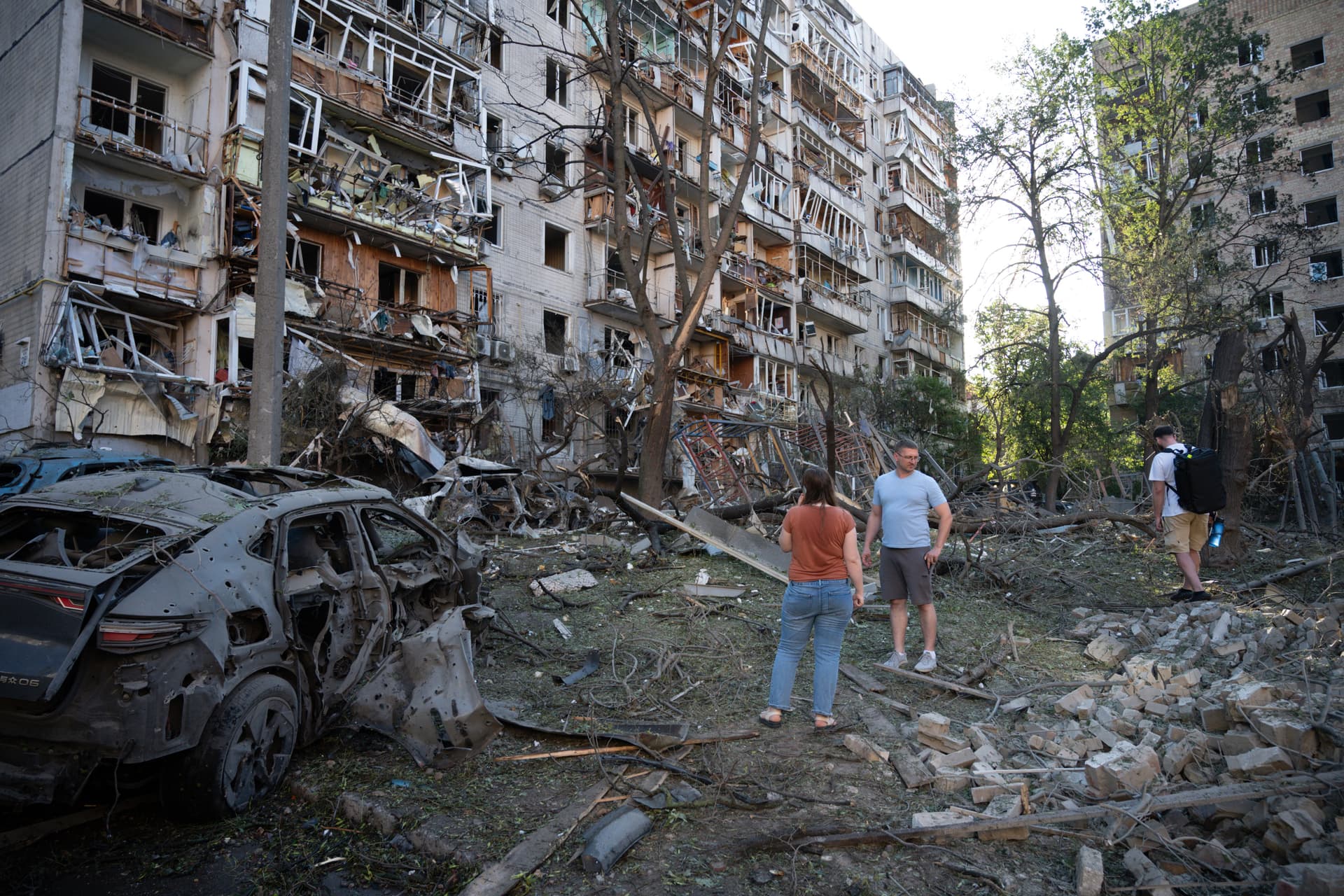
The sanctions arrive amid a wave of mass protests in Georgia, which erupted after the government suspended formal accession talks with the European Union. Demonstrations have at times turned violent, with clashes reported between large crowds and police in the center of Tbilisi in recent days. The instability has provoked alarm in Western capitals and in Kyiv, where officials framed the sanctions as a response to actions they say indicate some Georgian leaders are moving closer to Russia.
The targeting of members of the Georgian Dream party deepens diplomatic friction between Kyiv and Tbilisi at a moment when Georgia’s domestic trajectory is under intense international scrutiny. For Ukraine, which has sought to rally Western support against Russian aggression since 2022, the measures serve multiple aims. They are punitive, intended to hold individuals accountable for policies that Ukraine sees as undermining European integration, and they are deterrent, designed to signal that perceived alignment with Moscow will carry costs beyond bilateral goodwill.
The decree asks Western partners to adopt similar steps, a public appeal that tests the appetite in European Union capitals and in Washington for coordinated pressure. If other governments join Kyiv, the measures could broaden to include asset freezes and travel restrictions in Europe and North America, increasing the diplomatic isolation of those targeted. Conversely, a lack of coordinated action could leave Ukraine to bear the political fallout alone, potentially complicating its relationships with both Georgia and its own allies.
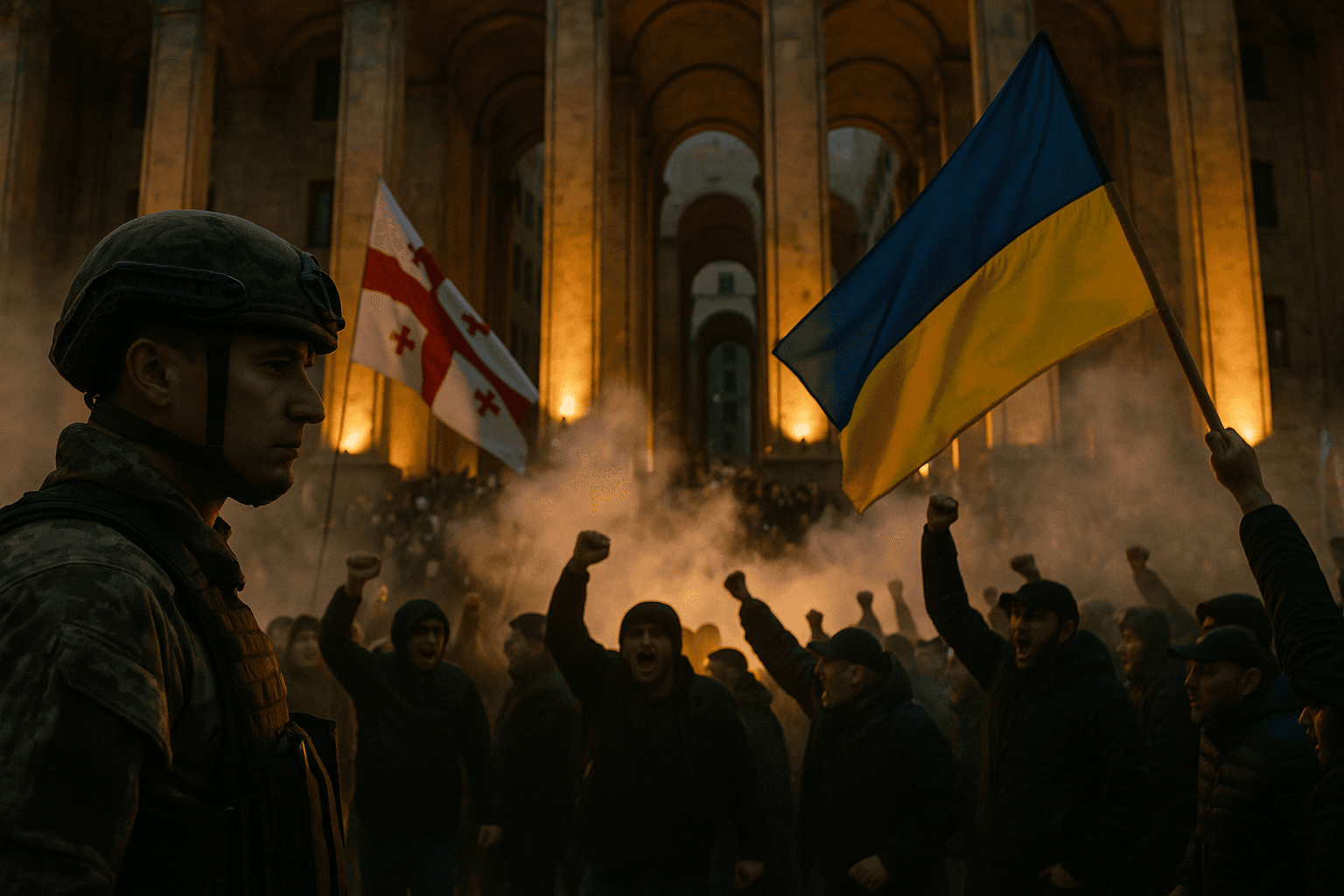
Georgia’s suspension of EU accession talks has crystallized longstanding debates inside the country about its geopolitical path. For many Georgians the drive toward European integration remains popular and emotive. The sanctions issued by Kyiv risk further polarizing domestic politics in Georgia and may feed narratives of foreign interference among supporters of the ruling party. They also complicate an already fraught regional landscape in which Moscow seeks to exploit divisions among its neighbors.
The legal basis for Ukraine’s action rests on national security recommendations, and the immediate practical effect will be to restrict movement and access to any assets the sanctioned officials hold under Ukrainian jurisdiction. The broader diplomatic consequences will depend on whether Western allies mirror Kyiv’s stance and how Tbilisi’s leadership responds to both domestic unrest and international pressure.
As the protests continue, the sanctions mark a new chapter in the relationship between Ukraine and Georgia, one that underscores the interconnected nature of post Soviet politics in the region and the deep sensitivities surrounding European integration, sovereignty, and external influence.
This article was produced by Prism’s automated news system from verified source data, official records, and press releases, then run through automated quality and moderation checks before publishing. The system is built and supervised by the people who set the standards it runs under. Read our full AI policy.
Did this article answer your question?