Ukraine says drones disrupt Russian supply route to Crimea
Ukrainian drones have turned part of the Melitopol-Chonhar corridor into a danger zone, squeezing fuel and ammunition flows to occupied Crimea.
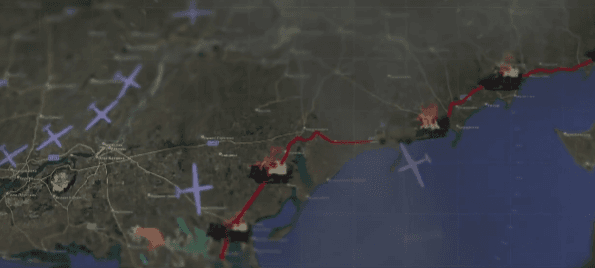
Ukrainian drone operators have forced part of the Melitopol-Chonhar corridor into an aerial kill zone, Ukraine’s Special Operations Forces said, giving Kyiv a new way to pressure Russian supply lines to occupied Crimea without advancing on the ground. The 3rd SOF Regiment said it had established aerial control over part of the route, a lane Russian forces use to move equipment, fuel, ammunition and other supplies south.
The effect reaches beyond one road. Crimea remains a logistics hub for Russia’s southern front, and any sustained threat to the land bridge into the peninsula complicates resupply, pushes Moscow to spend more on convoy protection and forces Russian planners to shift assets away from other missions. Ukrainian forces are no longer only trying to hit isolated vehicles; they are trying to make the corridor itself dangerous enough to slow traffic and reshape Russian routing choices.
Ukraine’s Defense Ministry has separately said routes to Crimea, including the Berdiansk-Melitopol-Dzhankoi corridor, were under fire control. It said successful strikes on logistics vehicles had been recorded in the Chonhar and Sokolohirne areas and at exits from occupied Crimea, underscoring that the pressure is spread across several choke points rather than confined to a single stretch of highway.
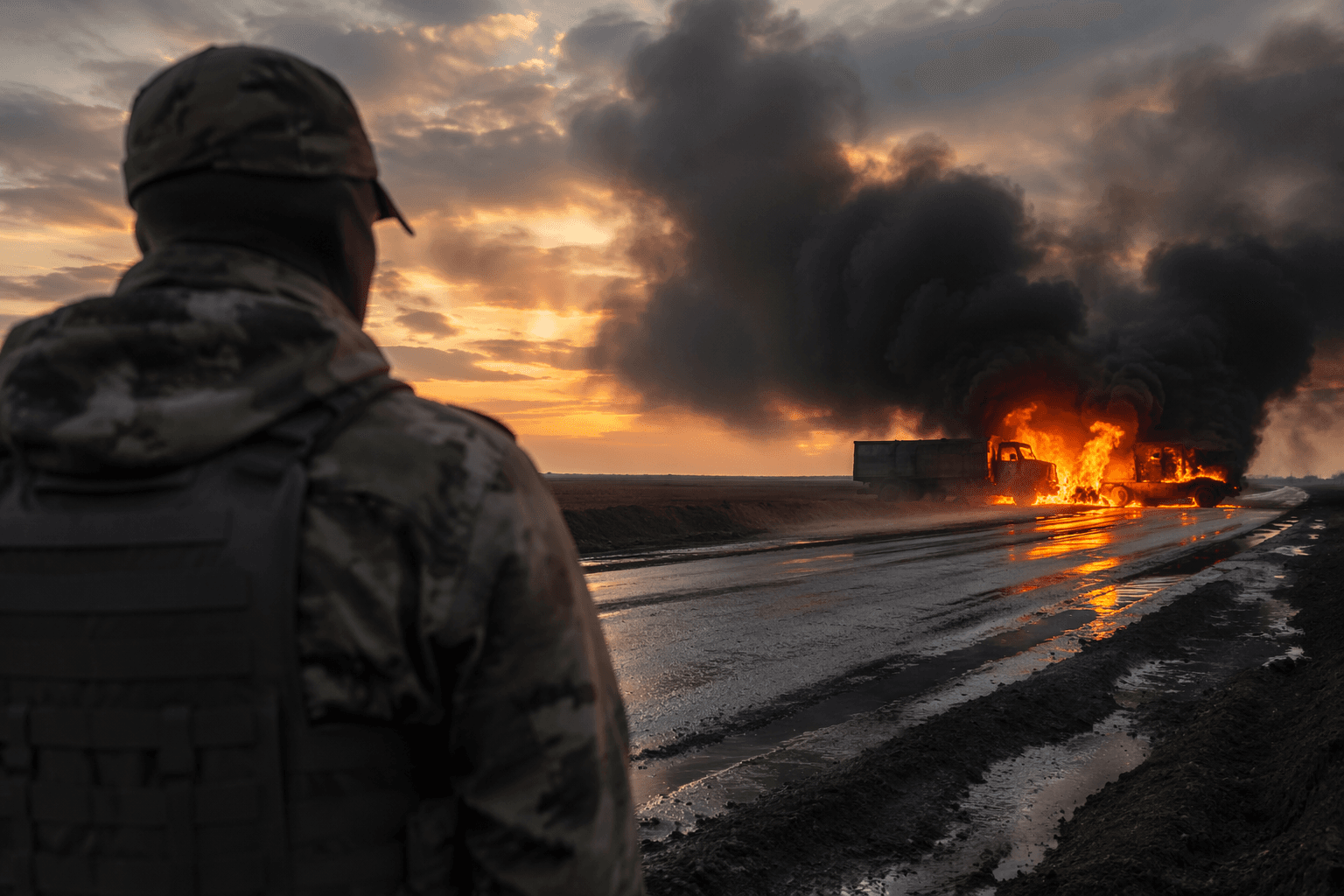
The logistical strain is already visible in occupied Crimea. Drivers there have faced gasoline rationing, with some stations limiting sales to 20 liters per driver per day and others running out entirely. That shortage matters because road supply is central to keeping the peninsula stocked, and repeated drone strikes have now made that road network harder to rely on.
Open-source analysts have described the scale of the campaign as sustained rather than episodic. Clément Molin has counted more than 125 strikes along the corridor in recent weeks, while the R-280 Novorossiya highway, the main land link between the Rostov region and occupied Crimea, has become one of the war’s most exposed arteries. The message from Kyiv is clear: control in modern war is not just about taking territory, but about making the movement of fuel, ammunition and armor so costly that the route itself becomes a liability.
This article was produced by Prism’s automated news system from verified source data, official records, and press releases, then run through automated quality and moderation checks before publishing. The system is built and supervised by the people who set the standards it runs under. Read our full AI policy.
Did this article answer your question?