Ukraine says drones hit Rosneft refinery deep inside Russia
Ukraine said its drones ignited a Rosneft refinery 800 kilometers inside Russia, widening pressure on fuel supplies, military logistics and industrial output.

A fire and column of smoke rose over Rosneft’s Syzran refinery after Ukrainian long-range drones struck the site in Russia’s Samara region, another hit in Kyiv’s campaign against the fuel system that helps sustain Moscow’s war effort.
Volodymyr Zelenskiy cast the attack as part of a continuing “long-range sanction” on Russian oil refining and said the plant stood more than 800 kilometers from Ukraine’s border. He posted footage showing flames and smoke, a message meant to underscore that Russian depth is no longer a shield from Ukrainian strikes.
The local governor, Vyacheslav Fedorishchev, said two people were killed in the drone attack on Syzran. He did not say whether refinery infrastructure had been damaged. Ukraine’s Unmanned Systems Forces said the strike caused a large fire at the site, which has an annual processing capacity estimated at about 7 million to 8.9 million tons of crude oil.
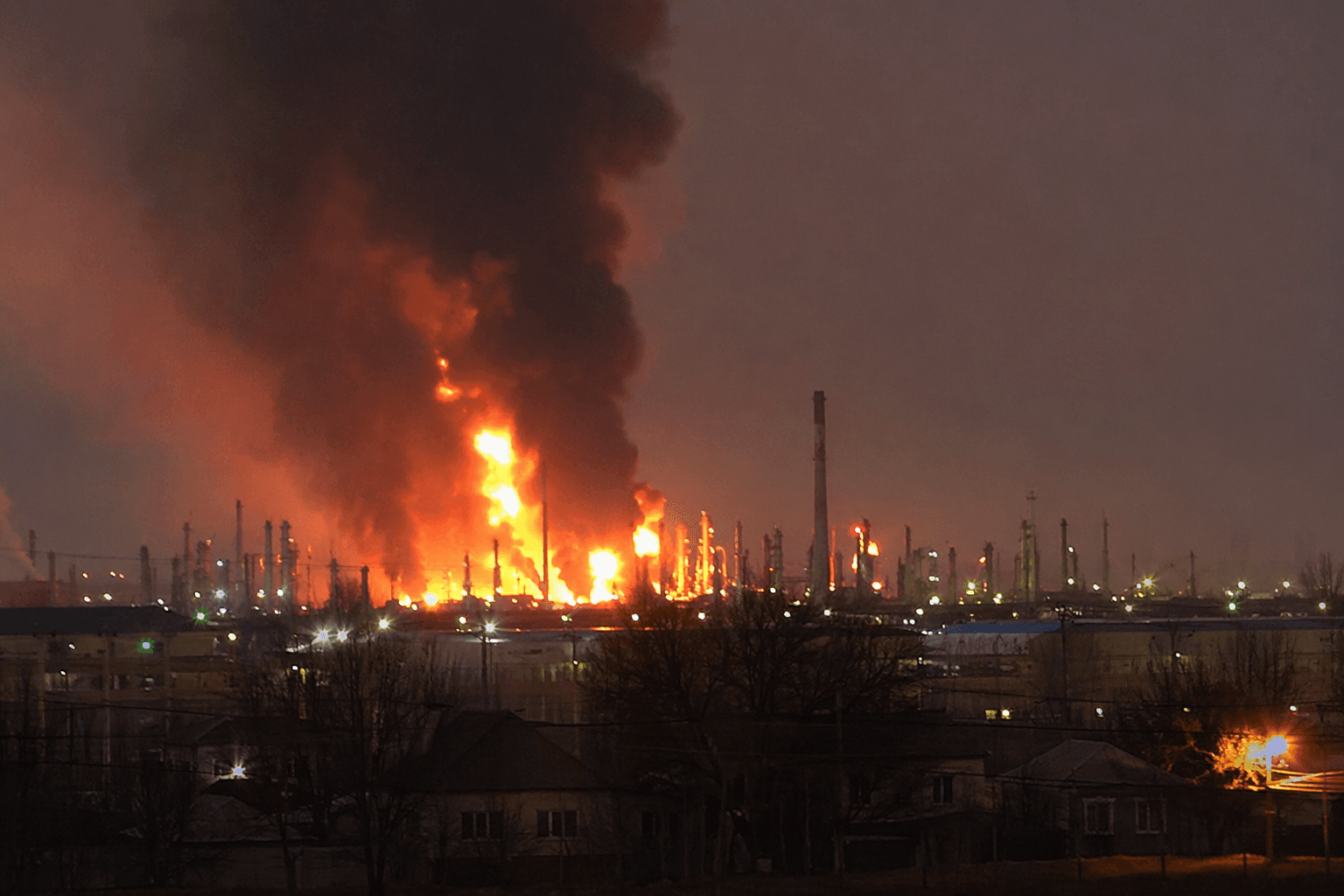
The refinery’s scale makes it strategically important well beyond the city limits. It turns West Siberian and Samara-region crude into motor fuels, aviation kerosene and bitumen, products that matter to civilian transport, export income and the Russian military’s fuel chain. Robert Brovdi, the commander of Ukraine’s drone forces, said Syzran was the eleventh Russian oil refinery targeted by Ukraine in May alone, a sign that Kyiv is trying to widen the economic cost of the war beyond the front lines.
Syzran is also a longstanding industrial asset. Rosneft says construction began before World War II, the first batch of oil products came in 1942, and the plant was expanded and modernized in the early 1970s. Rosneft acquired it in May 2007 as part of the Samara group of refineries.
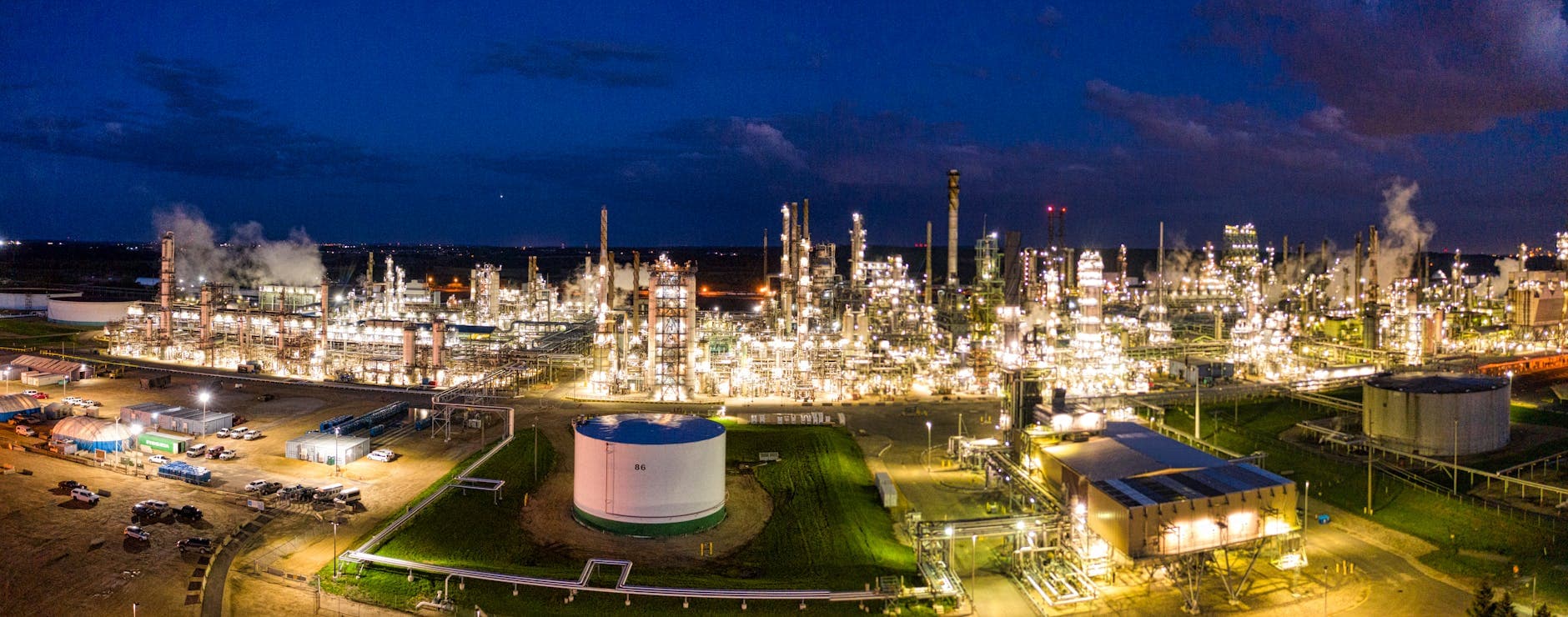
The refinery has been hit before, including a major strike in December 2025 and explosions reported in April 2026. Some earlier coverage said operations were temporarily suspended after one of those attacks, suggesting that repeated strikes can force Russian operators into repairs and interruptions even when officials are sparse on details.
For Moscow, the pattern poses a broader challenge. Air defenses have to cover a vast rear area, while each successful strike raises the risk of more fires, more repair costs and more volatility in fuel markets. For Ukraine, the goal is clear: make the war more expensive for Russia by hitting the infrastructure that keeps its economy and military moving.
Know something we missed? Have a correction or additional information?
Submit a Tip