Ukraine says it struck missile electronics plant in Russia's Voronezh region
Ukraine said it hit a Voronezh plant tied to missile electronics, a strike that could squeeze Russia's strike supply chain. Five people were killed and dozens injured.
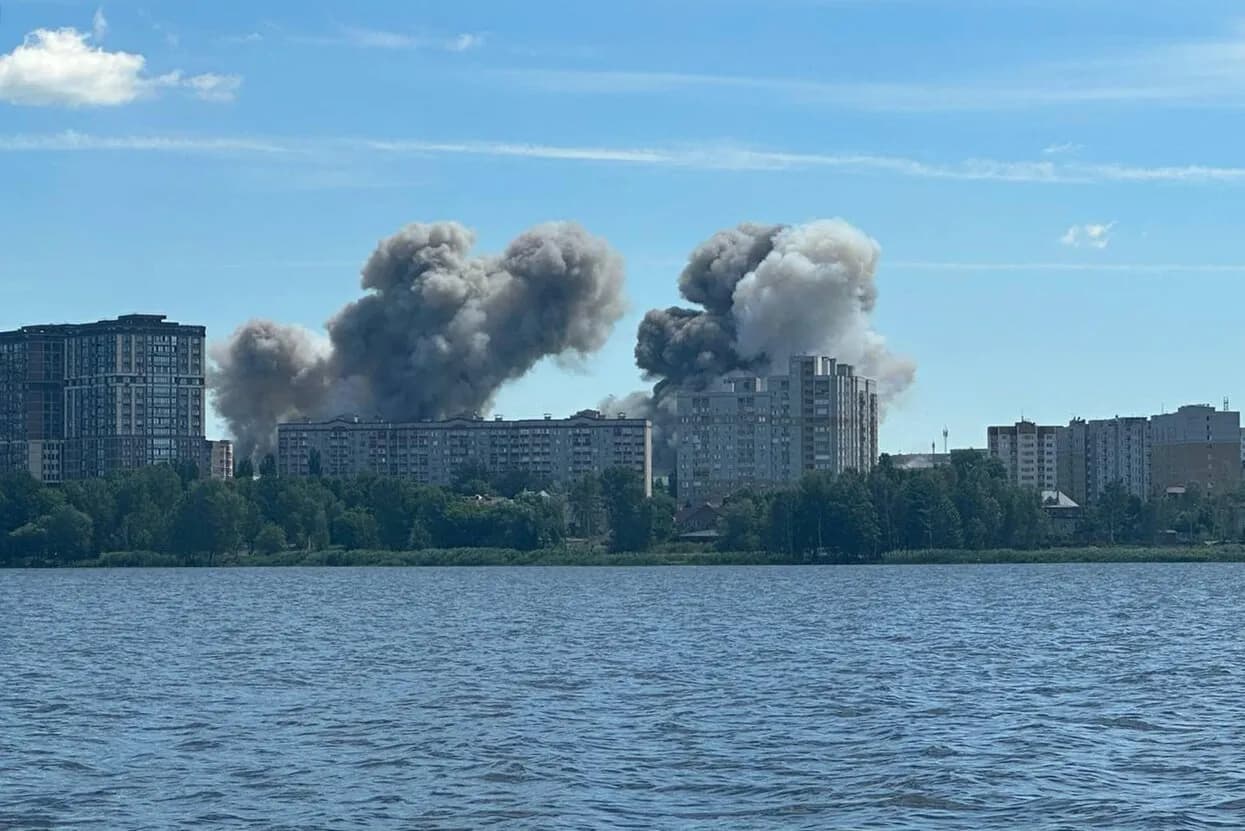
Ukraine's military said it struck a plant in Russia's Voronezh region that produces electronics for missiles, pushing the war deeper into Russia's defense-industrial base. The target, identified in reporting as the Voronezh Semiconductor Devices Plant, or VZPP-S, was described by Ukraine's General Staff as a facility making components for Russian missile systems, including Iskander and Kh-101 weapons.
The strike mattered because it reached beyond a frontline battlefield and into the machinery that keeps Russian long-range attacks going. Reporting said the plant also supplied parts linked to the Pantsir-S1 air defense system, and some accounts described it as a critical component in Russia's military production chain. Ukraine said the attack was carried out with high-precision air-launched cruise missiles.

Voronezh regional governor Alexander Gusev said five people were killed and dozens were injured. Some of the wounded were treated and released. Gusev said the heaviest damage was at an industrial site on the left bank of the Voronezh River, underscoring how a strike aimed at military production still landed with a civilian toll in a border region already living under the strain of war.
The attack was part of a broader Ukrainian effort to disrupt Russia's weapons production, repair capacity and logistics nodes far from the front line. That strategy aims to do more than destroy equipment already in use: it seeks to slow the flow of electronics and parts that allow Moscow to sustain missile launches over time. By hitting a plant tied to those systems, Kyiv signaled that Russia's rear areas remain exposed and that industrial targets can now be treated as part of the active war zone.
The same day, Ukraine was also reported to have struck the Dubna satellite communications centre in Russia's Moscow region. Russia's TASS said the Dubna site came under a massive drone attack, though television broadcasting and communications were not affected and no staff were injured. Together, the attacks suggested an expanding campaign against both Russia's defense manufacturing and its communications infrastructure, raising the risks of further escalation even as the battlefield line itself shifts more slowly.
This article was produced by Prism’s automated news system from verified source data, official records, and press releases, then run through automated quality and moderation checks before publishing. The system is built and supervised by the people who set the standards it runs under. Read our full AI policy.
Did this article answer your question?


