Ukraine strike on Tuapse refinery triggers oil spill, water warning, school closures
Tuapse residents were told not to drink tap water after a refinery fire sent oil into the Black Sea and pushed benzene levels up. Schools stayed closed as crews cleaned contaminated coastline.
A strike on the Tuapse oil refinery turned quickly into a public-health emergency for a Black Sea port city already living with the spillover from war. Residents were told not to drink tap water, schools stayed closed on Thursday, and officials ordered people to rely on bottled water only after the attack sparked a large fire, released oil into coastal waters and pushed benzene levels higher in the air.
The Tuapse area in Krasnodar Krai remained under a state of emergency after the strike, which was the third on the refinery in April and the third in 12 days. By Thursday morning, the blaze had been extinguished, but the damage had spread beyond the plant itself. Emergency workers were sent to clear five newly discovered stretches of oil-hit coastline, while regional officials said 12,600 cubic metres of contaminated material had been collected. May holiday celebrations were canceled as local authorities tried to limit exposure and reassure residents.
Russia’s consumer safety watchdog, Rospotrebnadzor, warned people to stay indoors and keep windows closed because benzene levels were elevated. Health officials told residents to avoid taps and natural springs, adding another layer of disruption to daily life in a town where the water supply, the air and the shoreline all became part of the same emergency. The fire followed earlier attacks that had already left Tuapse with black rain and oily residue on April 20, underscoring how repeated strikes have widened the damage from a single industrial site into a broader environmental hazard.
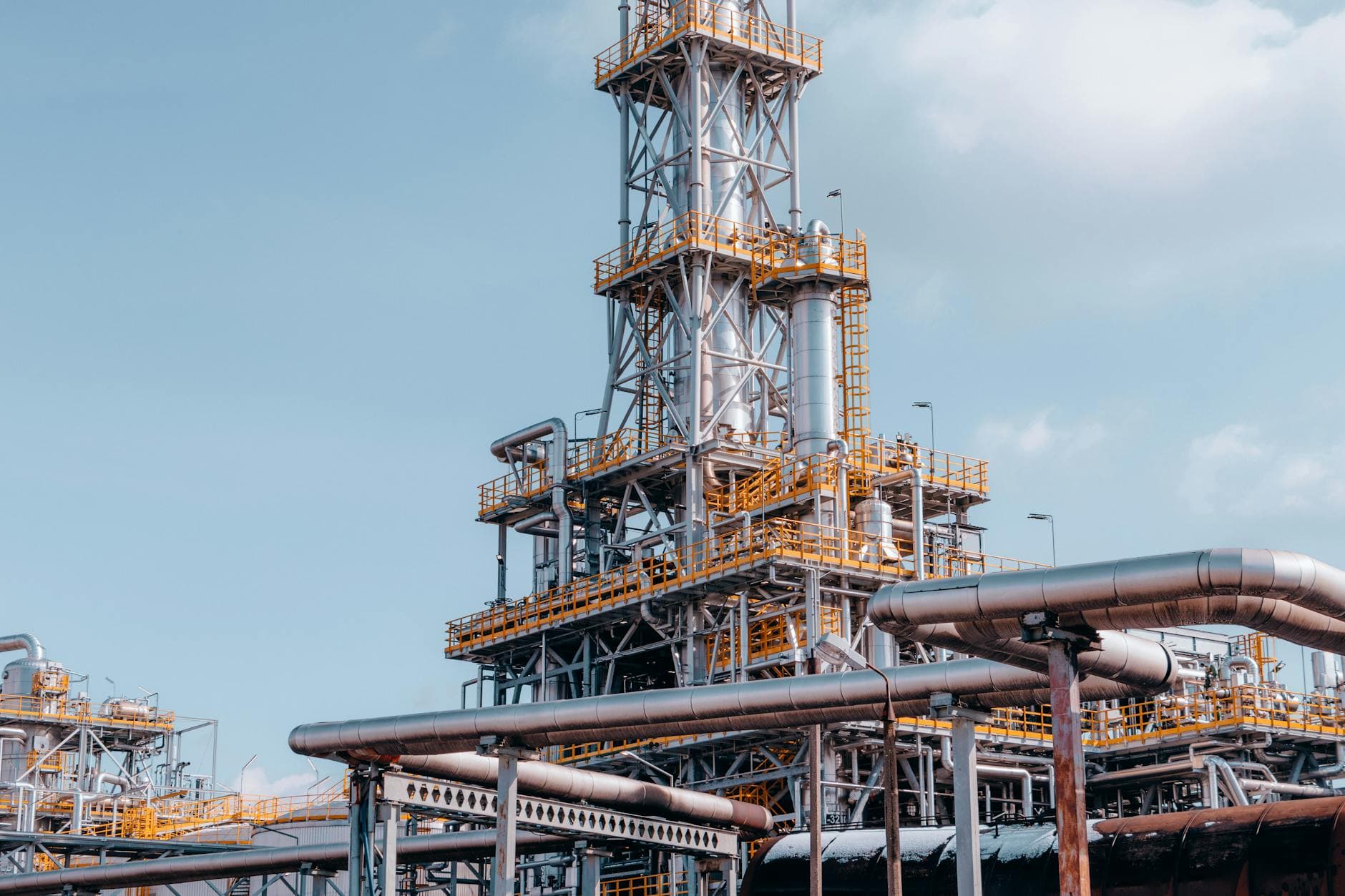
The refinery sits at the center of that risk. Operated by Rosneft, the Tuapse complex has an annual capacity of about 12 million metric tons, or roughly 240,000 barrels per day, and produces naphtha, diesel, fuel oil and vacuum gas oil. It is also a key oil-processing and export hub on Russia’s Black Sea coast, which means damage there can interrupt both local industry and the wider flow of fuel and revenue.
The refinery had already halted production on April 16 after damage to the port made shipping impossible. Another Ukrainian drone strike hit an oil refinery near Perm the following day, signaling that the campaign against Russian energy infrastructure was spreading beyond the Black Sea coast. For Moscow, the pattern threatens output and exports; for Tuapse, it has already meant closed schools, contaminated water warnings and a coastline that now has to be cleaned like a battlefield.
This article was produced by Prism’s automated news system from verified source data, official records, and press releases, then run through automated quality and moderation checks before publishing. The system is built and supervised by the people who set the standards it runs under. Read our full AI policy.
Did this article answer your question?