Ukraine strikes Russian gas plant and satellite centers deep inside Russia
Ukraine hit a giant Orenburg gas complex and satellite hubs near Moscow, pushing its long-range campaign deep into Russia’s energy and communications backbone.
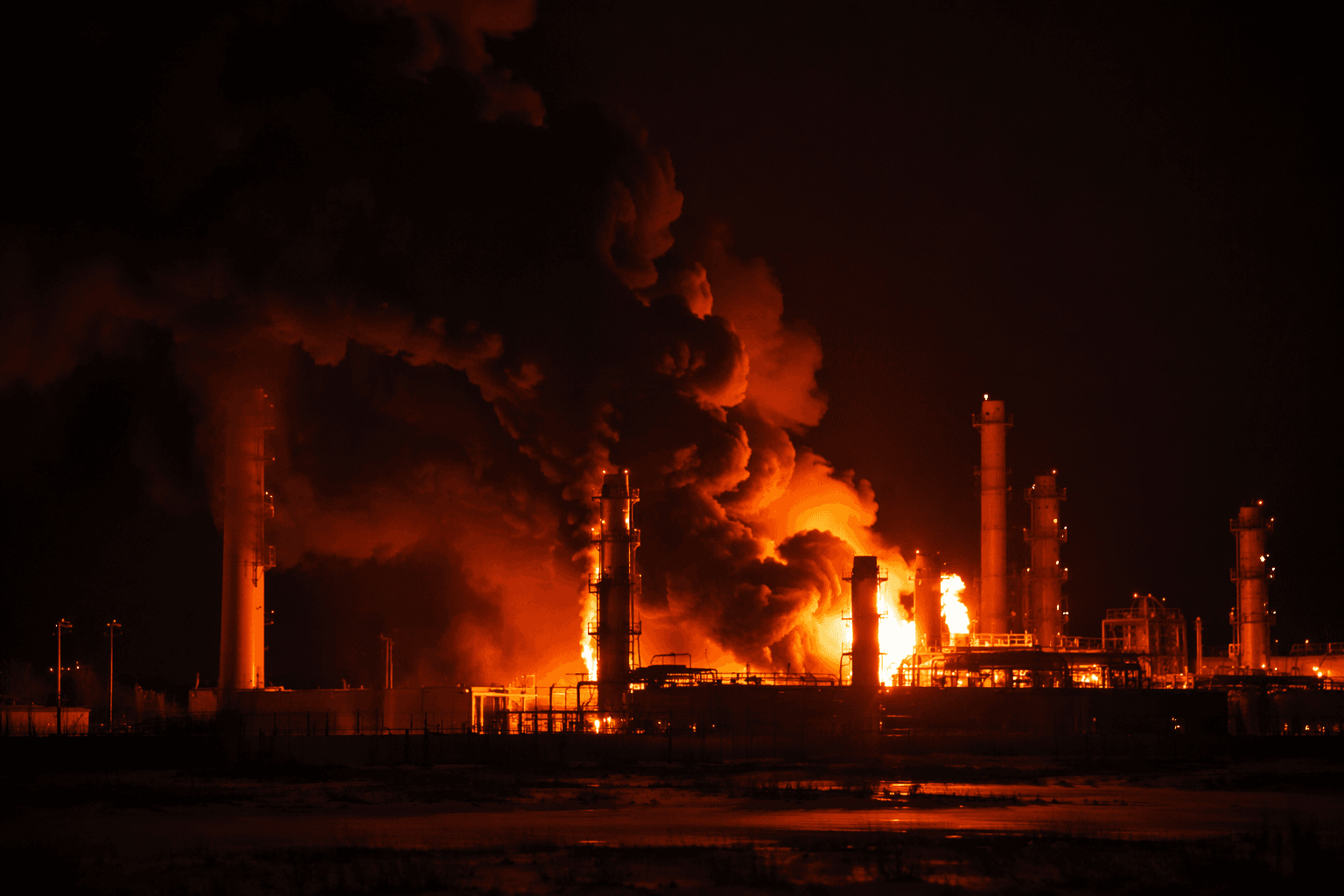
Ukrainian forces said they hit the Orenburg Gas Processing Plant and two satellite communications centers in Russia in a nighttime strike that pushed Kyiv’s long-range campaign farther into the country’s industrial core. The Orenburg complex sits more than 1,200 kilometers behind the front line and is tied to Russia’s only helium plant, making it one of the most sensitive energy targets hit so far. The Ukrainian General Staff said the strike set the complex on fire.
The choice of target points to a broader effort to make the war more expensive inside Russia, not just to score isolated battlefield damage. Orenburg is linked to Gazprom’s gas system and began production in 1972, with output historically routed through the Soyuz pipeline. The site is also connected to gas from Kazakhstan’s Karachaganak field, giving any disruption wider energy and supply-chain implications in a region that sits close to the border. The plant produces helium, ethane and other materials with industrial and military uses, so damage there can ripple beyond domestic fuel supply and into defense-related production.

The strike also reached into Russia’s communications network. Ukrainian forces said they hit the Dubna Space Communications Center in Moscow Oblast and another satellite center in the Vladimir region. Dubna is a major ground hub that links satellites with terrestrial communication networks and manages satellite links across Russia and abroad. Earlier reporting on a June 22 strike said Ukrainian officials described damage to an antenna system and a nearby building at Dubna, underscoring that the center has already been under repeated pressure.
Taken together, the attacks fit a campaign aimed at energy revenue, military communications and domestic vulnerability at a moment when Ukraine is expanding the range and weight of its own drones and missiles. Kyiv has also said recent strikes targeted Crimea to disrupt military supply lines and the peninsula’s power grid during the summer tourist season. Russian officials did not immediately comment, and battlefield claims cannot be independently verified in real time, but the pattern is clear: Ukraine is trying to force Moscow to spend more to defend the rear while exposing the infrastructure that keeps both the civilian economy and the war machine running. Whether individual hits can meaningfully degrade Russia’s war capacity will depend on whether Kyiv can keep striking the same systems often enough to turn disruption into lasting loss.
This article was produced by Prism’s automated news system from verified source data, official records, and press releases, then run through automated quality and moderation checks before publishing. The system is built and supervised by the people who set the standards it runs under. Read our full AI policy.
Did this article answer your question?


