Ukraine strikes Russian oil ports and ships, triggering black rain aftermath
Black rain over Primorsk turned a drone strike into a pollution scare, after fire hit Russia’s biggest Baltic oil port and ships nearby.
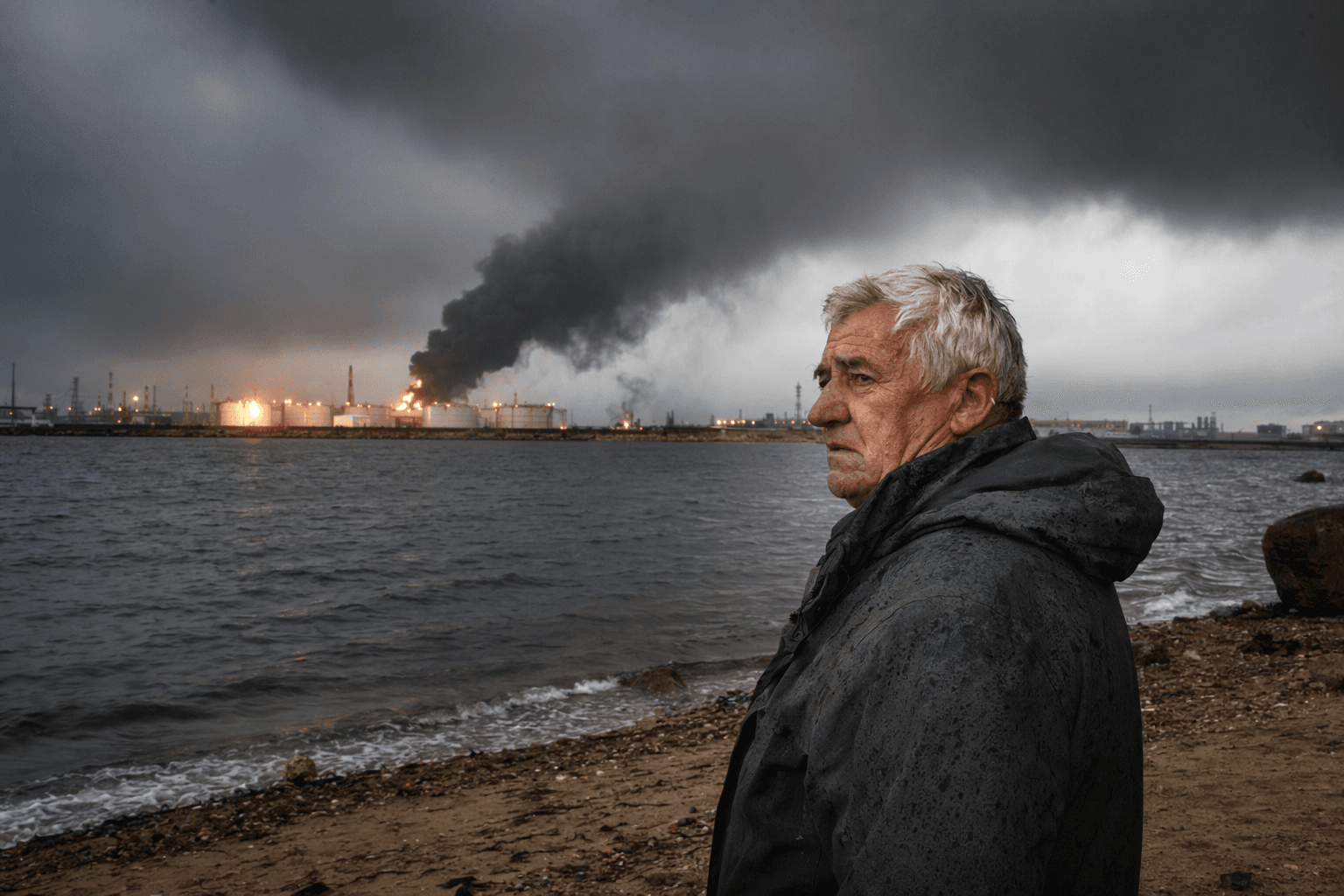
Soot, smoke and fuel residue became part of the war in Russia’s northwest after Ukrainian drones set fire to part of Primorsk, the country’s largest oil-exporting port on the Baltic Sea. Regional authorities said more than 60 drones were shot down overnight over Leningrad Oblast, but the strike still left a blaze at a facility that handles hundreds of thousands of barrels a day and serves as a key artery for Russian export revenue.
The immediate damage matters far beyond the port perimeter. Primorsk is operated by Transneft, Russia’s state oil pipeline monopoly, and Ukrainian President Volodymyr Zelensky said the operation damaged oil-loading infrastructure there as well as a Karakurt-class small missile ship, a patrol boat and a shadow-fleet oil tanker near the port. He also said two more shadow-fleet tankers were hit near the entrance to the Black Sea port of Novorossiysk. Those claims, if fully borne out, would mean the strike reached not only commercial oil traffic but also Russian naval and quasi-civilian shipping assets.
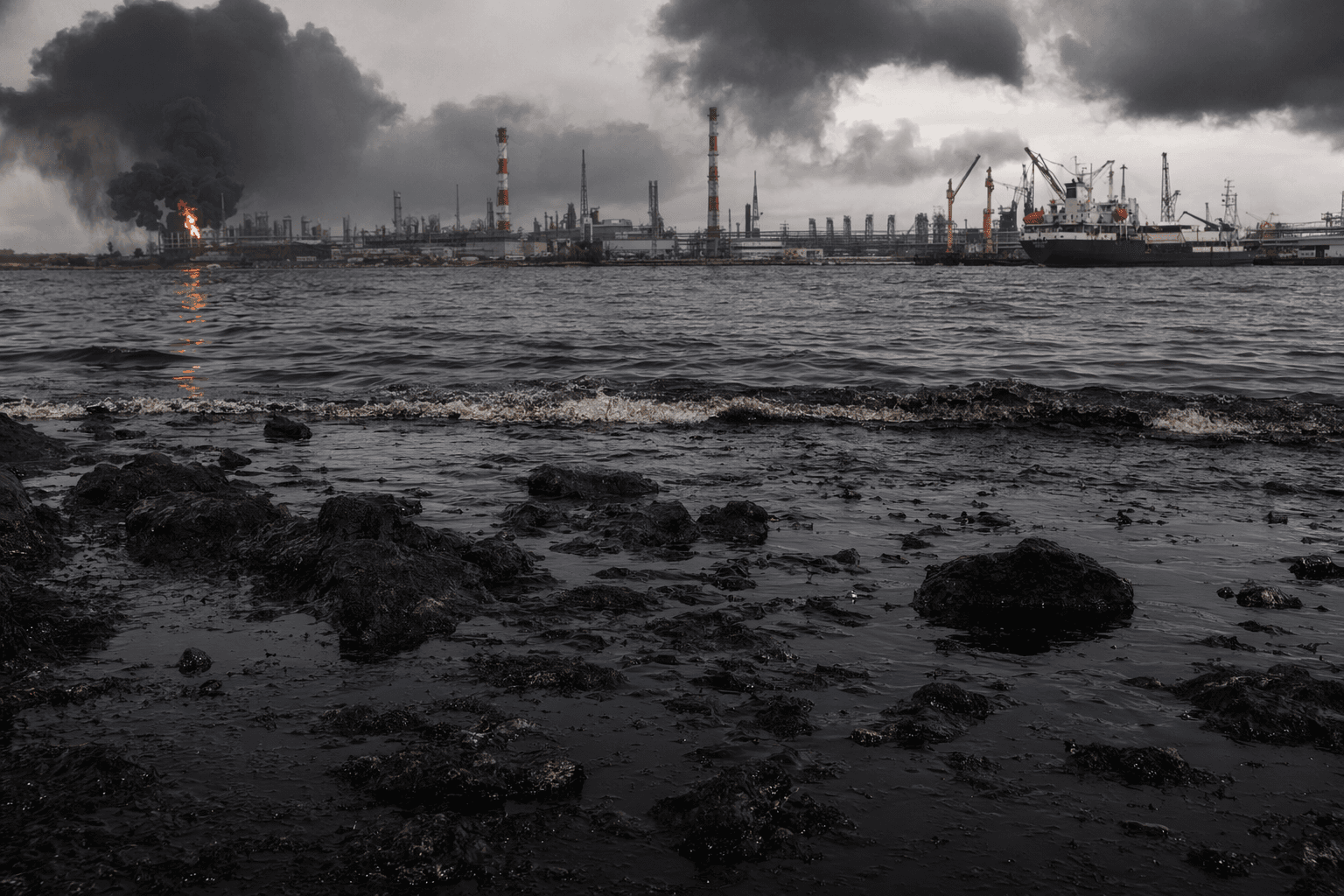
The environmental concern now hanging over Primorsk is the possibility of contaminated fallout. Reports of “black rain” have raised fears about what residents may have been breathing or seeing settle from the smoke plume after the fire. Residents in other Russian oil towns have reported environmental fallout and inadequate official responses after similar strikes, underscoring how attacks on energy infrastructure can leave communities with pollution, uncertainty and few immediate answers about air quality or cleanup.
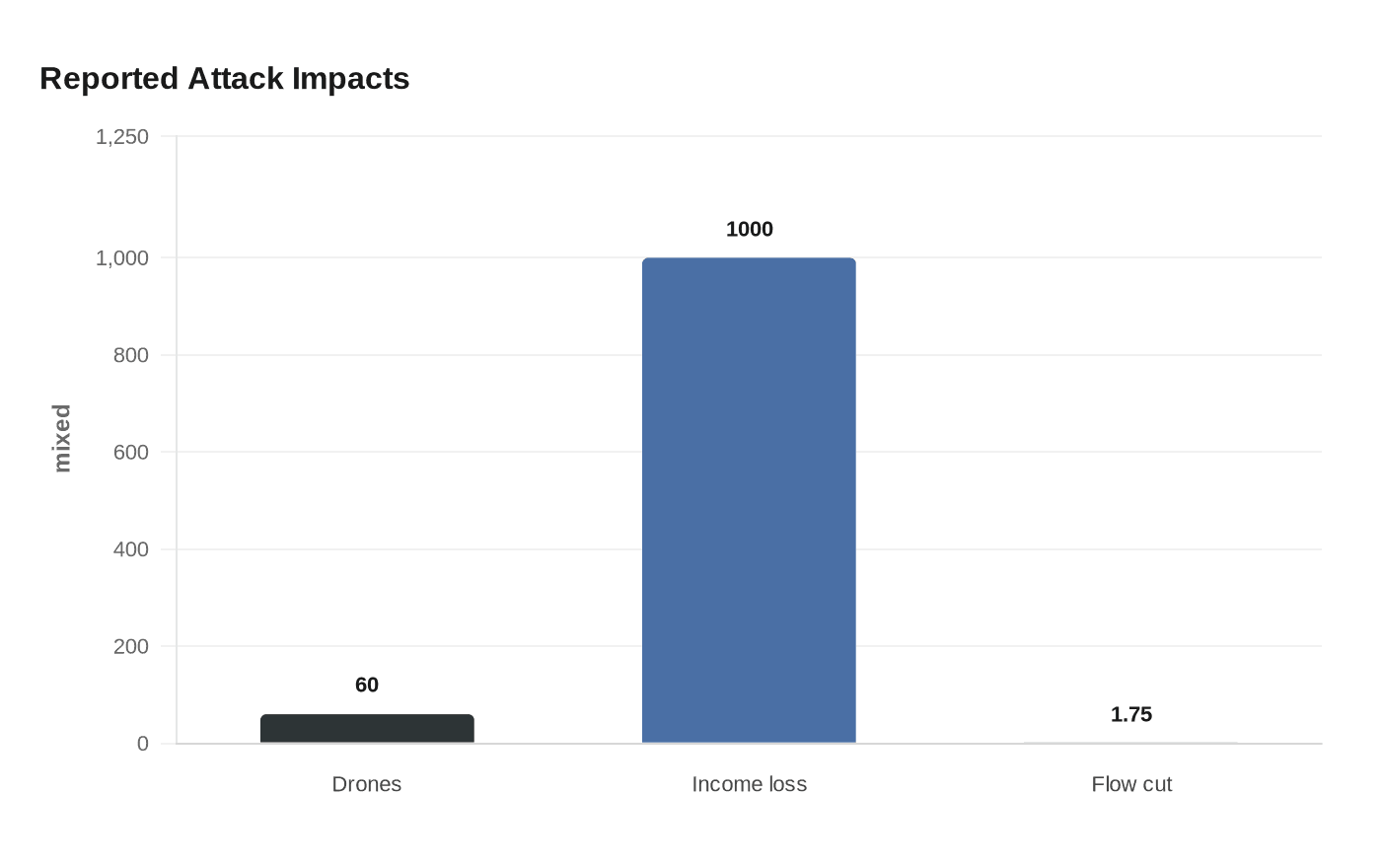
The broader campaign against Russian oil infrastructure has intensified since mid-March, according to the Institute for the Study of War. It said Ukrainian strikes have damaged all three of Russia’s major western oil export ports in the Baltic and Black seas. The same assessment cited reporting that attacks on Primorsk and Ust-Luga in late March cut Russia’s oil income by more than $1 billion and reduced weekly crude flows by 1.75 million barrels a day.
The Kremlin warned that attacks on oil infrastructure could push global oil prices higher, a reminder that the cost of the war is spreading into energy markets and civilian life well beyond the battlefield. For Primorsk and other port communities, the question is no longer only how much cargo moved out. It is also what drifted back down on the people living under the smoke.
This article was produced by Prism’s automated news system from verified source data, official records, and press releases, then run through automated quality and moderation checks before publishing. The system is built and supervised by the people who set the standards it runs under. Read our full AI policy.
Did this article answer your question?