Ukraine Strikes Two Shadow Fleet Tankers, Deals Blow to Russian Oil
Ukrainian naval drones struck two tankers used by Russia to evade Western sanctions in the Black Sea, Ukrainian security officials and Turkish authorities said, further complicating energy flows and maritime security in a tense region. The incidents underscore growing use of unmanned maritime weapons and raise legal and diplomatic questions for Turkey, NATO and global oil markets.
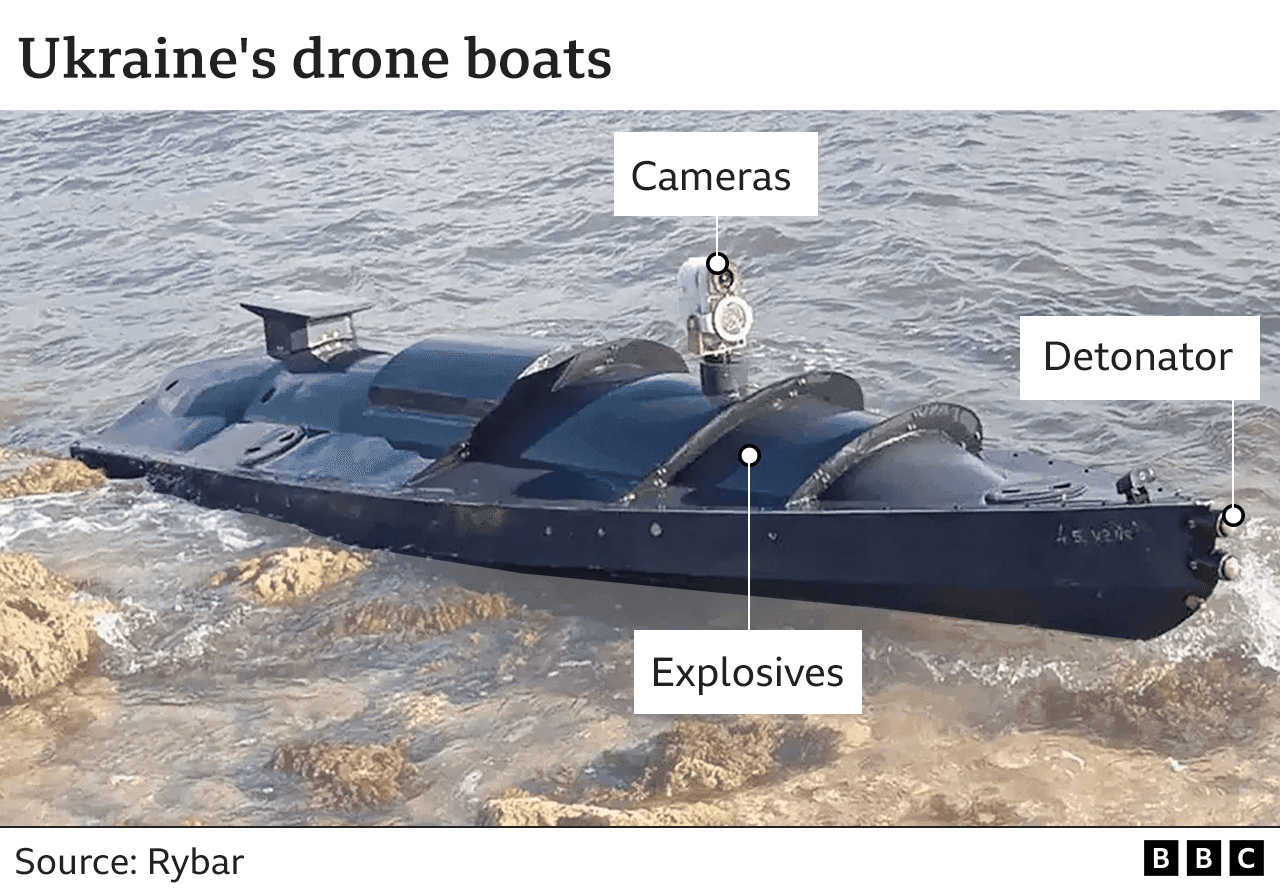
On Friday, November 29, Ukrainian naval drones hit two tankers that Kyiv says were part of a so called shadow fleet used to export Russian oil while skirting Western sanctions, an official from the Security Service of Ukraine said on condition of anonymity. The joint operation was run by the SBU and Ukraine's navy, the official said.
Turkish authorities reported that blasts rocked two tankers near the Bosphorus Strait, causing fires and prompting rescue operations. Turkey's Transport Ministry said the 274 metre long tanker Kairos suffered an explosion and caught fire while en route from Egypt to Russia, and that its crew had been evacuated by rescue boats as efforts to extinguish the blaze continued. The Virat was reportedly struck some 35 nautical miles offshore further east in the Black Sea, with Turkey's maritime authority reporting heavy smoke in the engine room while saying the crew were safe.
The SBU official identified the vessels as the Kairos and Virat and said both were empty and bound for Novorossiysk, a major Russian oil terminal. "Video footage shows that after being hit, both tankers sustained critical damage and were effectively taken out of service. This will deal a significant blow to Russian oil transportation," the official said.
Naval drones are uncrewed speed boats packed with explosives that sail toward their targets before detonating. They have emerged as a prominent element of Ukraine's maritime campaign, helping Kyiv to press Russian naval assets and complicate Moscow's ability to move energy cargoes across the Black Sea.
Both the Kairos and Virat appear on lists of ships that have been sanctioned in relation to Russia's war in Ukraine, and Kyiv has repeatedly urged Western governments to take stronger action against a shadow fleet it accuses of enabling sanctions evasion. Reuters was unable to independently verify the identity of the vessels in available footage or to confirm the exact timing and location of the strikes. There was no immediate public comment from Russian authorities.
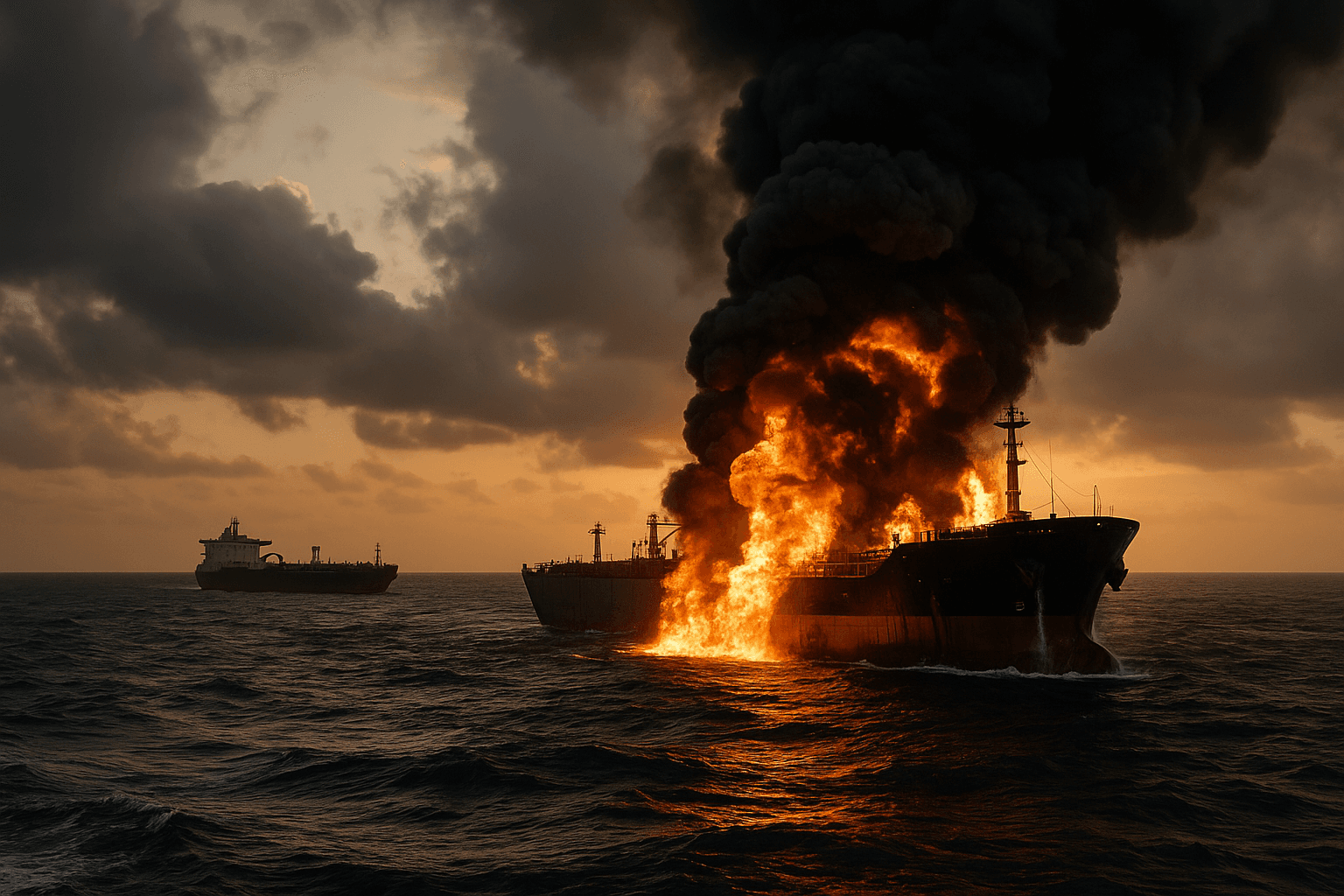
The strikes add to a series of recent incidents affecting energy infrastructure and maritime transport in and around the Black Sea. Russia's Caspian Pipeline Consortium said on Saturday it had halted exports after damage to a mooring at a Black Sea terminal, a disruption that some sources linked to the same wider pattern of attacks.
The events pose difficult questions for international law and regional diplomacy. Conducting armed operations against vessels on the high seas risks escalation and challenges norms governing freedom of navigation. Turkey, which controls the critical Bosphorus maritime choke point and has balanced ties with both Kyiv and Moscow, faces heightened pressure to manage safety in its waters while handling international diplomatic fallout.
Markets are likely to watch for further disruptions to Russian oil exports and for any retaliatory moves by Moscow. The incidents also underline how technological shifts in unmanned weapons are changing the calculus of maritime conflict, intensifying the need for coordinated international responses to safeguard civilians and commerce in one of the world’s busiest waterways.
This article was produced by Prism’s automated news system from verified source data, official records, and press releases, then run through automated quality and moderation checks before publishing. The system is built and supervised by the people who set the standards it runs under. Read our full AI policy.
Did this article answer your question?


