Ukraine summons Israel envoy over alleged stolen grain shipments
Ukraine summoned Israel’s envoy over a Haifa-bound grain shipment it says came from occupied territory, turning wartime trade into a diplomatic test.
Ukraine summoned Israel’s ambassador after accusing Jerusalem of failing to respond properly to grain shipments Kyiv says were loaded from Russian-occupied territory and delivered to Haifa. The move sharpened a dispute that has moved beyond one cargo ship and into a broader argument over whether handling disputed grain amounts to tolerating theft during wartime.
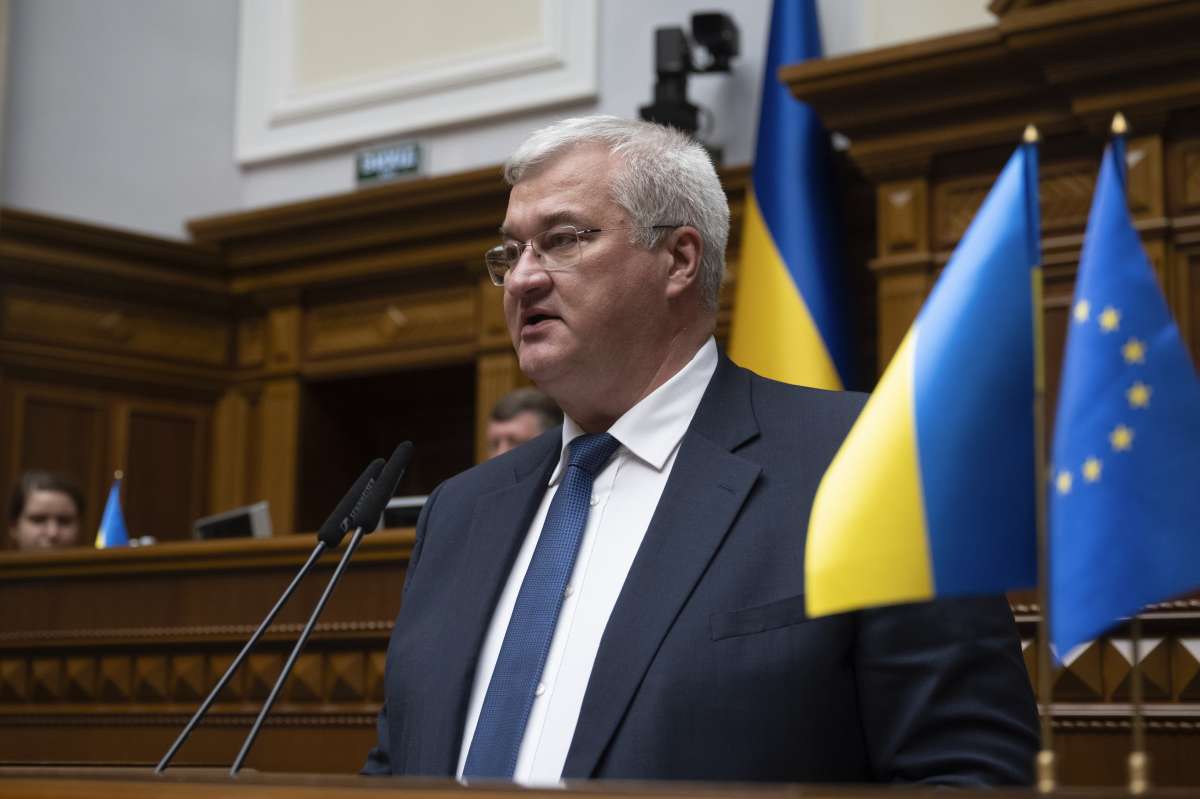
Foreign Minister Andrii Sybiha said a shipment of Ukrainian grain had reached Haifa and that it was the second vessel to deliver what Kyiv considers stolen goods to Israel. The Ukraine Foreign Ministry called in Israeli ambassador Michael Brodsky to receive a protest note and a request for appropriate action. Sybiha argued that friendly Ukrainian-Israeli relations should benefit both countries, but said Russia’s illegal trade in stolen Ukrainian grain should not be allowed to damage those ties.
Israel pushed back. Foreign Minister Gideon Sa'ar said Ukraine had not provided evidence substantiating the allegations, and that the matter would be examined by Israeli law-enforcement authorities. Sa'ar also underscored that diplomatic relations are not conducted through social media or the press, a pointed response to Kyiv’s public campaign. Ukrainian Ambassador Yevgen Korniychuk had already raised the ABINSK case with Israeli officials on March 27, underscoring that the issue had been building for weeks before the latest summons.
At the center of the quarrel is the Russian cargo ship ABINSK, which Ukraine says docked in Haifa in mid-April carrying wheat taken from occupied Ukrainian territory. Ukrainian officials said they had warned Israel in advance and asked it to prevent the ship from leaving. Reporting in Israel identified the cargo as 43,765 tons of wheat. A Ukrainian diplomatic source later warned that Kyiv could respond with diplomatic and legal measures if another vessel, the Panormitis, were allowed to berth in Haifa. Haaretz reporting said four shipments of grain from occupied Ukraine had already been unloaded in Israel in 2026.
The dispute carries political weight because grain is one of Ukraine’s most sensitive exports and because Kyiv sees commerce through occupied territory as a form of indirect recognition of Russian control. It also fits a broader Ukrainian strategy of squeezing Russian revenue while contesting any commercial channels that may benefit Moscow. On April 28, Ukrainian drones struck Russia’s Tuapse oil refinery on the Black Sea, causing a fire, after earlier attacks on April 16 and April 20 disrupted operations and set fuel storage ablaze.
The European Union has now taken notice as well. On April 28, officials reportedly warned that individuals involved in the alleged grain transactions could face sanctions. For Kyiv, the issue is no longer just whether one shipment was stolen. It is whether ports, intermediaries and governments are scrutinizing cargo closely enough when goods traced to occupied Ukraine move through global shipping lanes and into friendly states.
This article was produced by Prism’s automated news system from verified source data, official records, and press releases, then run through automated quality and moderation checks before publishing. The system is built and supervised by the people who set the standards it runs under. Read our full AI policy.
Did this article answer your question?