Ukraine’s drone strikes deepen Crimea fuel crisis, disrupt Russian supply lines
Fuel rationing spread across Crimea as Ukraine’s midrange drones hit tankers and storage sites, capping 92-octane sales at 20 liters per vehicle.
Ukraine’s drone campaign has shifted from isolated spectacle to a slower, more punishing form of pressure, and Crimea is absorbing the strain. Fuel rationing took hold across Crimea and Sevastopol from May 31, with 95-octane gasoline limited to public transport and voucher holders, 92-octane sales capped at 20 liters per vehicle, and portable containers barred from filling.
The attacks have not been aimed only at frontline positions. Ukraine’s midrange strikes have targeted fuel tankers, storage facilities, ammunition trucks, transport vehicles, command posts, roads and key supply routes in occupied southern Ukraine and Crimea, turning logistics into the main battlefield. Ukrainian commander Topot of the 7th Battalion of Magyar’s Birds said the campaign had pushed back Russian air defenses in the area and made it possible for Ukrainian drones to reach highways in temporarily occupied territory within about an hour.
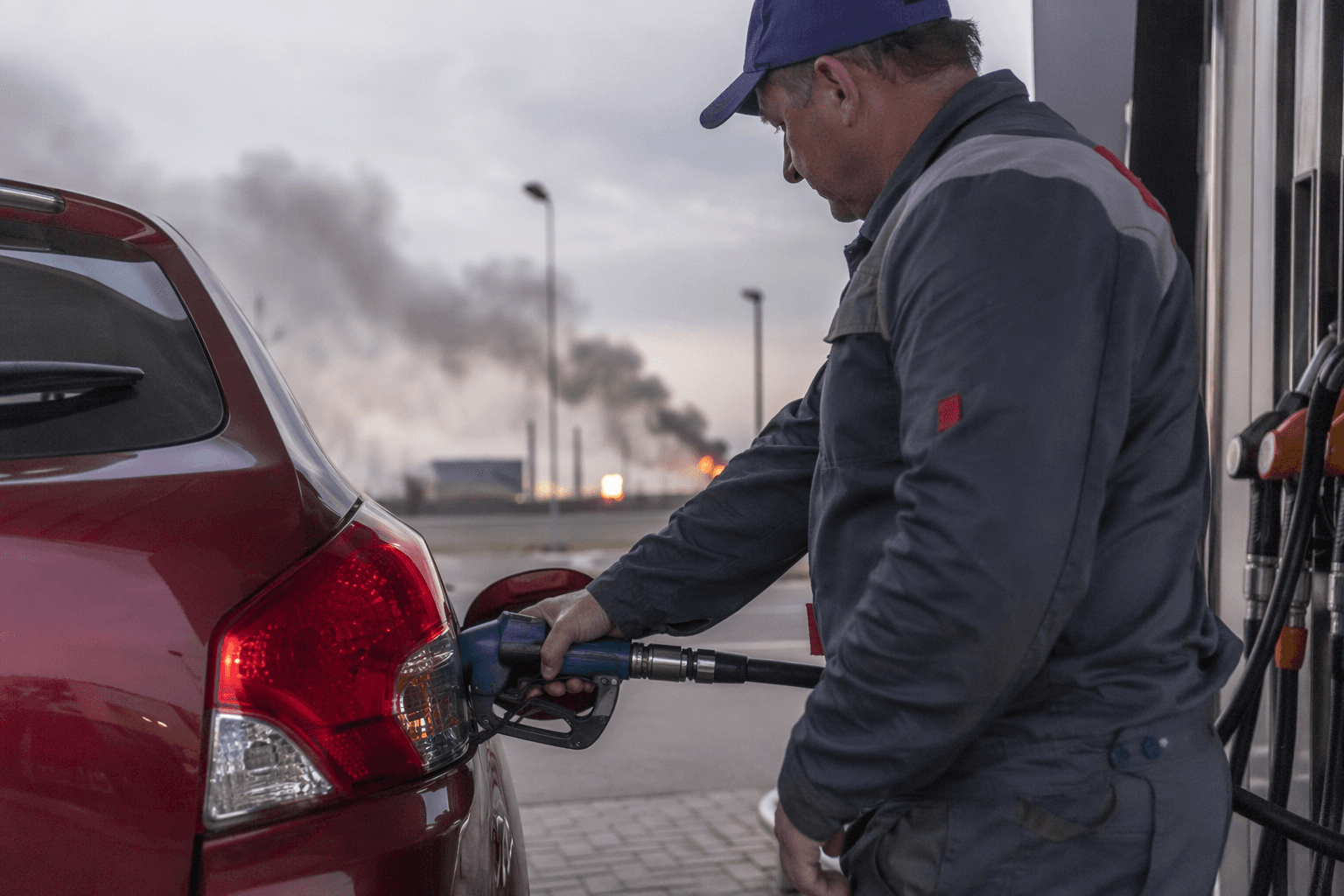
The pressure on Crimea’s fuel system comes as Russia’s wider oil network also comes under strain. Ukraine set a record in May for attacks on Russian refineries, and Moscow responded by banning jet fuel exports until the end of November. Russia’s oil processing has fallen to a 16-year low, while Russian authorities have also been reducing oil exports and diverting more crude into domestic refining to offset the shortage.
Russia’s Energy Ministry has acknowledged that Ukrainian drone attacks were behind gasoline shortages in annexed Crimea and parts of southern Russia. That admission underscores how a campaign built around relatively cheap, mass-produced systems is now affecting civilian fuel access as well as military mobility. The Institute for the Study of War said the interdiction effort is directly degrading Russian combat capability in southern Ukraine by disrupting logistics and forcing Moscow to move supplies farther from the front.
The scale matters. By early 2025, Ukraine was reported to be capable of producing up to 4 million drones a year and had around 500 domestic drone manufacturers, a base that has allowed it to move beyond one-off strikes and into sustained pressure on Russia’s rear. In Crimea, that pressure is showing up not in a single breakthrough, but in the daily mechanics of war: less fuel, slower rotations and a supply corridor under constant attack.
This article was produced by Prism’s automated news system from verified source data, official records, and press releases, then run through automated quality and moderation checks before publishing. The system is built and supervised by the people who set the standards it runs under. Read our full AI policy.
Did this article answer your question?


