Ukraine’s youngest defense minister pushes AI, drones and battlefield data
Ukraine has turned battlefield data into a weapon, with its youngest defense minister racing to scale drones and AI before Russia does.
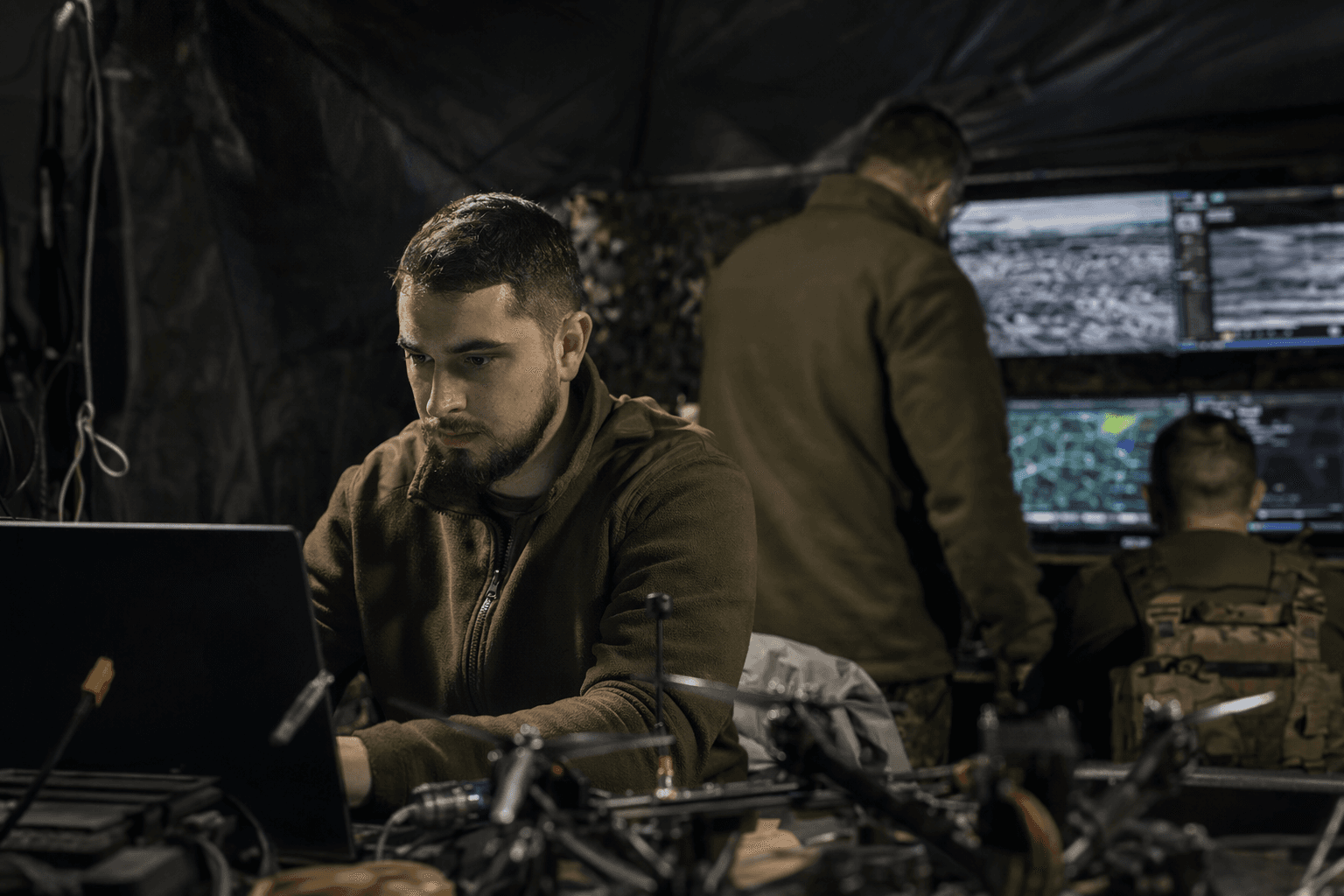
Ukraine has put its youngest defense minister at the center of a war effort increasingly shaped by software, sensors and drones. Mykhailo Fedorov, 35, was appointed defense minister on January 14, 2026, after serving as first deputy prime minister and minister of digital transformation, and President Volodymyr Zelenskyy asked him to make fast decisions to protect Ukraine.
That mandate reflects a broader shift in Kyiv’s war strategy: battlefield necessity is pushing autonomous warfare into the mainstream faster than rules, ethics or international law can catch up. Fedorov has long been tied to Ukraine’s digital state-building, including the Diia government app and the push to secure Starlink connectivity, and he has become a symbol of how Ukraine is fusing civilian tech infrastructure with military survival. Reuters described him as a young technocrat and innovation advocate at a difficult phase of the nearly four-year war.
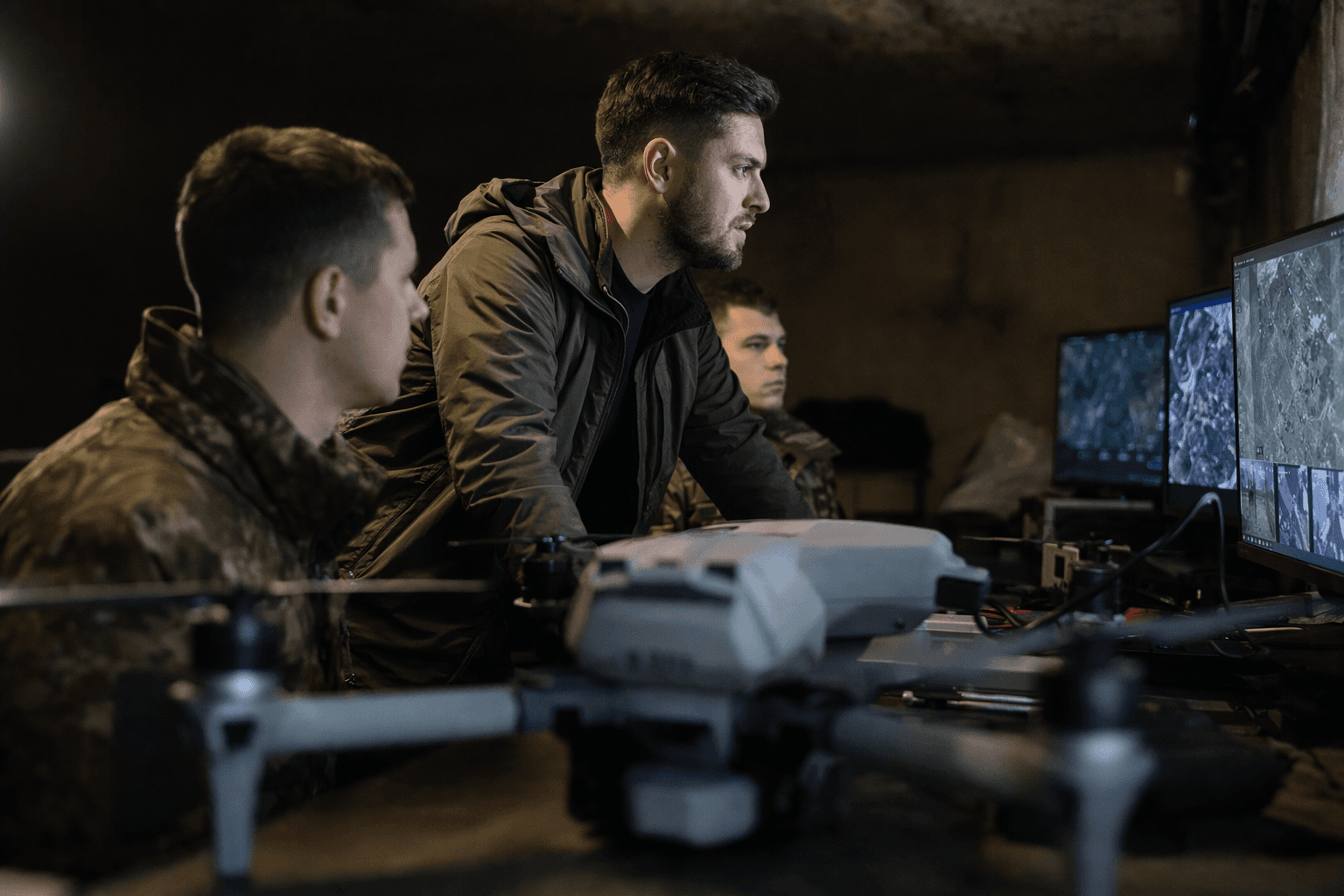
The technology push was on display on May 12, 2026, when Ukraine’s defence ministry said Fedorov met Palantir Technologies chief executive Alex Karp to discuss AI-powered air defense, drone warfare and deep strike capabilities. The ministry says its mission is to increase the autonomy of drones and other combat systems so they can detect targets more quickly, analyze the situation and help inform decisions on the battlefield.
Ukraine is also opening its war data to partners. The ministry says it has given allies access to real battlefield data for training AI models, while systems such as Mission Control inside the DELTA combat digital ecosystem, the Brave1 Dataroom and the Brave1 Market are pushing battlefield procurement deeper into data-driven territory. Since the start of 2026, units have ordered more than 181,000 drones, unmanned ground vehicles, electronic warfare systems and other equipment through that system, with total spending of UAH 14 billion.
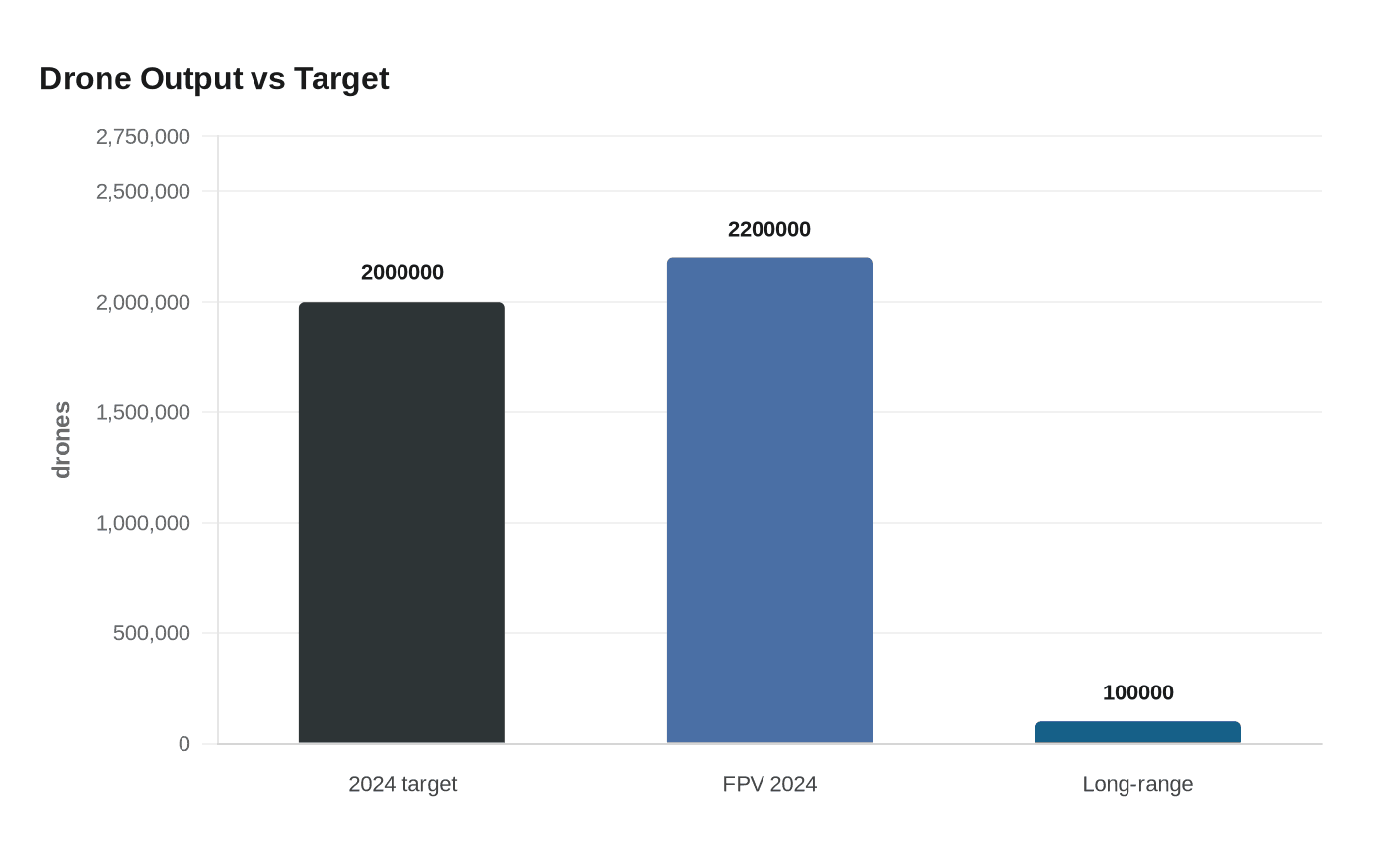
The scale of Ukraine’s drone buildout is already staggering. In March 2024, Fedorov said Ukraine wanted to produce 2 million drones a year with Western and private support. Zelenskyy later said Ukraine produced 2.2 million FPV drones in 2024, plus 100,000 long-range drones and 154 artillery systems. The Institute for the Study of War said in June 2025 that Russia and Ukraine were racing to develop AI and machine-learning drone capabilities, and Fedorov has said fully autonomous drones are still years away even as AI already helps decode imagery, target enemies, interpret transmissions and guide FPV drones. With Ukraine leaning on foreign firms such as SpaceX and Palantir, the war is becoming a proving ground for the next generation of conflict, and for the new risks that come with it.
This article was produced by Prism’s automated news system from verified source data, official records, and press releases, then run through automated quality and moderation checks before publishing. The system is built and supervised by the people who set the standards it runs under. Read our full AI policy.
Did this article answer your question?