Ukrainian mail carrier risks drones to deliver lifelines near front line
Larysa Navrotska drives into drone range to carry pensions, medicine and mail to villages where every other service has been battered by war.
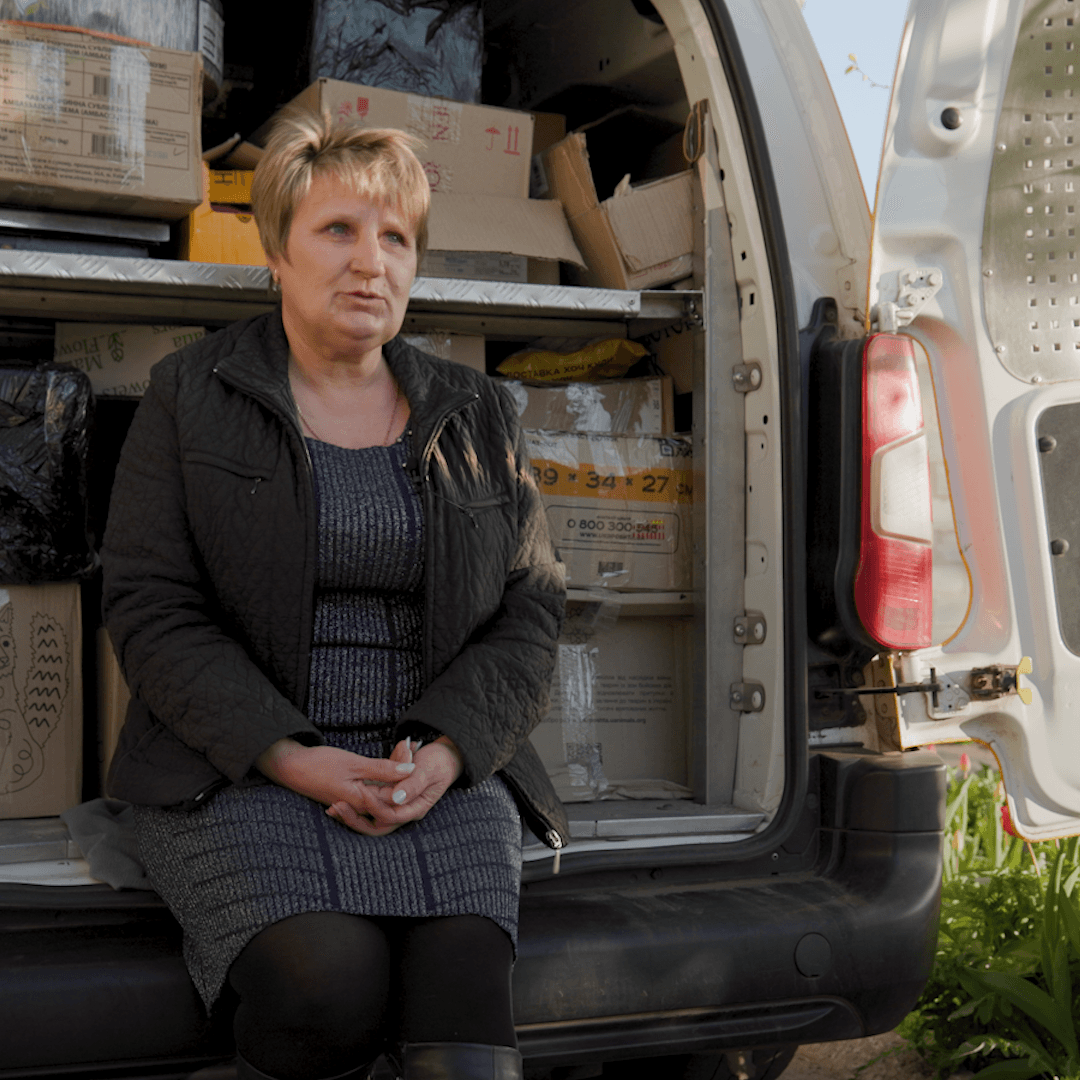
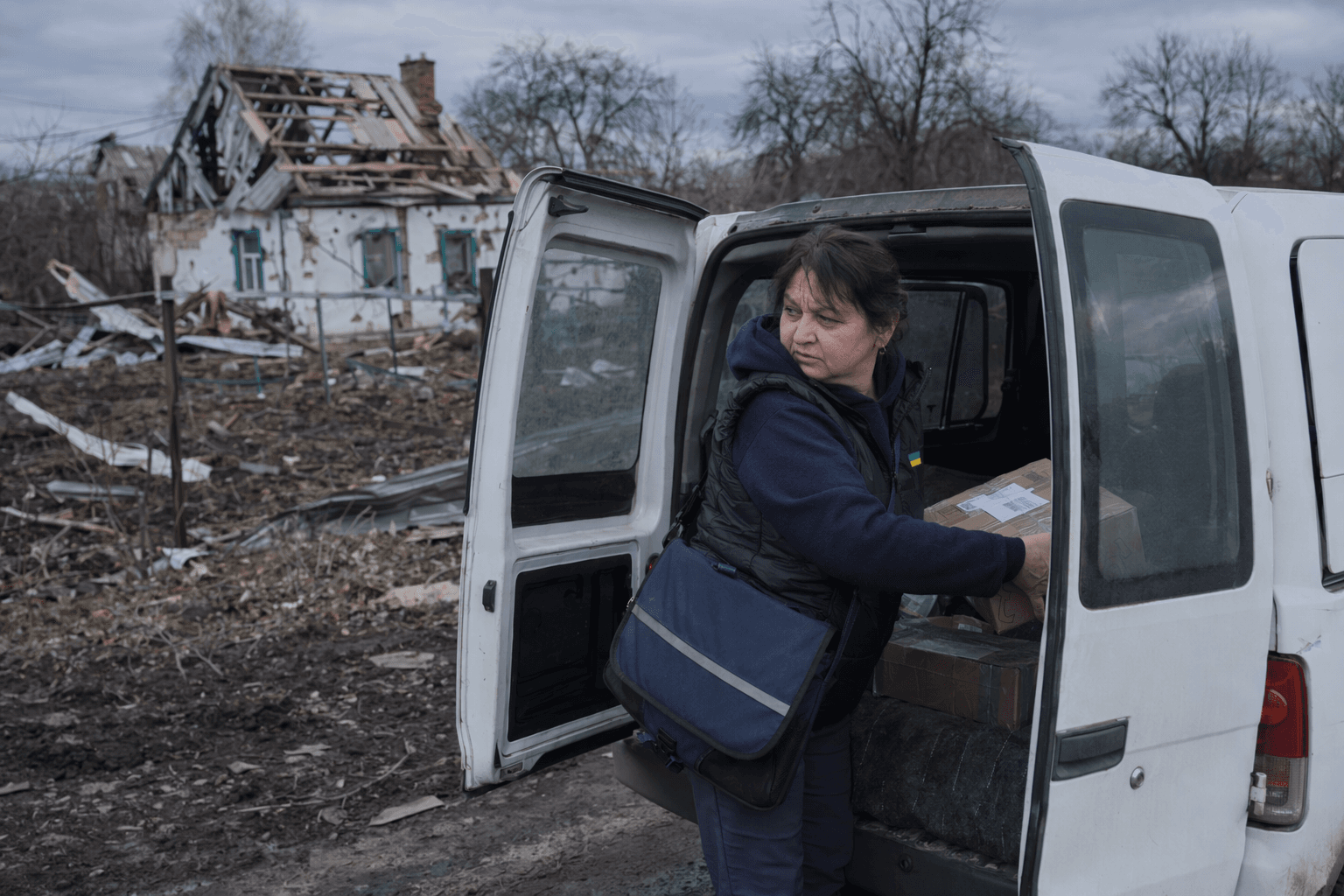
Larysa Navrotska keeps going where roads empty out and Russian drones still hunt the sky. On her route near Ukraine’s front line, the mail carrier delivers pensions, medicine, social benefits, parcels and letters from loved ones to remote communities that now depend on Ukrposhta for far more than postage.
That mission has turned Ukraine’s state-owned postal service into a wartime lifeline. In frontline and de-occupied areas, the mail truck often means cash in an elderly person’s hand, prescriptions for a family cut off from a pharmacy, or paperwork that keeps a household connected to the state. The need has only deepened as the war has pushed civilian life to the edge: the United Nations Human Rights Monitoring Mission in Ukraine said that in 2025 more than 60% of all civilian casualties occurred in frontline areas.
The same mission said July 2025 brought the highest number of civilian casualties from short-range drones since the full-scale invasion began, with 64 people killed and 337 injured. It also said people in frontline villages increasingly struggled to reach pharmacies, healthcare, public transport, education and utilities. In that vacuum, postal workers have become essential public servants, moving not just letters but the services that keep communities from collapsing.
The risks are not abstract. Russian strikes on postal infrastructure were being examined as potential war crimes in March 2026, part of a broader pattern of attacks on civilian logistics meant to disrupt daily life and essential services. Ukrposhta CEO Ihor Smilyanskyi said four company employees had died since Russia’s full-scale invasion began. After a deadly Sept. 9, 2025 strike in Yarova, in the Donetsk region, which killed at least 24 people and injured 19 while they were receiving pensions, Ukrposhta and military-civilian administrations changed pension-payment procedures in frontline settlements.
The company has also been forced to retreat as the front moves. In August 2025, Ukrposhta closed its branch in Kostiantynivka after Russian forces came within about six kilometers of the city’s outskirts, leaving the office as the last post office there after other services had already gone. Before the full-scale invasion, Ukrposhta held about 25% of Ukraine’s postal market and Nova Poshta about 65%, but both companies have since been pulled into the logic of critical infrastructure, operating under fire as ordinary workers like Navrotska help keep the state functioning one delivery at a time.
This article was produced by Prism’s automated news system from verified source data, official records, and press releases, then run through automated quality and moderation checks before publishing. The system is built and supervised by the people who set the standards it runs under. Read our full AI policy.
Did this article answer your question?