UL Solutions CEO on the trusted mark behind billions of products
The UL mark is more than a sticker. It shapes safety, recalls, insurance risk, and trust for billions of products sold online.
The small label with outsized consequences
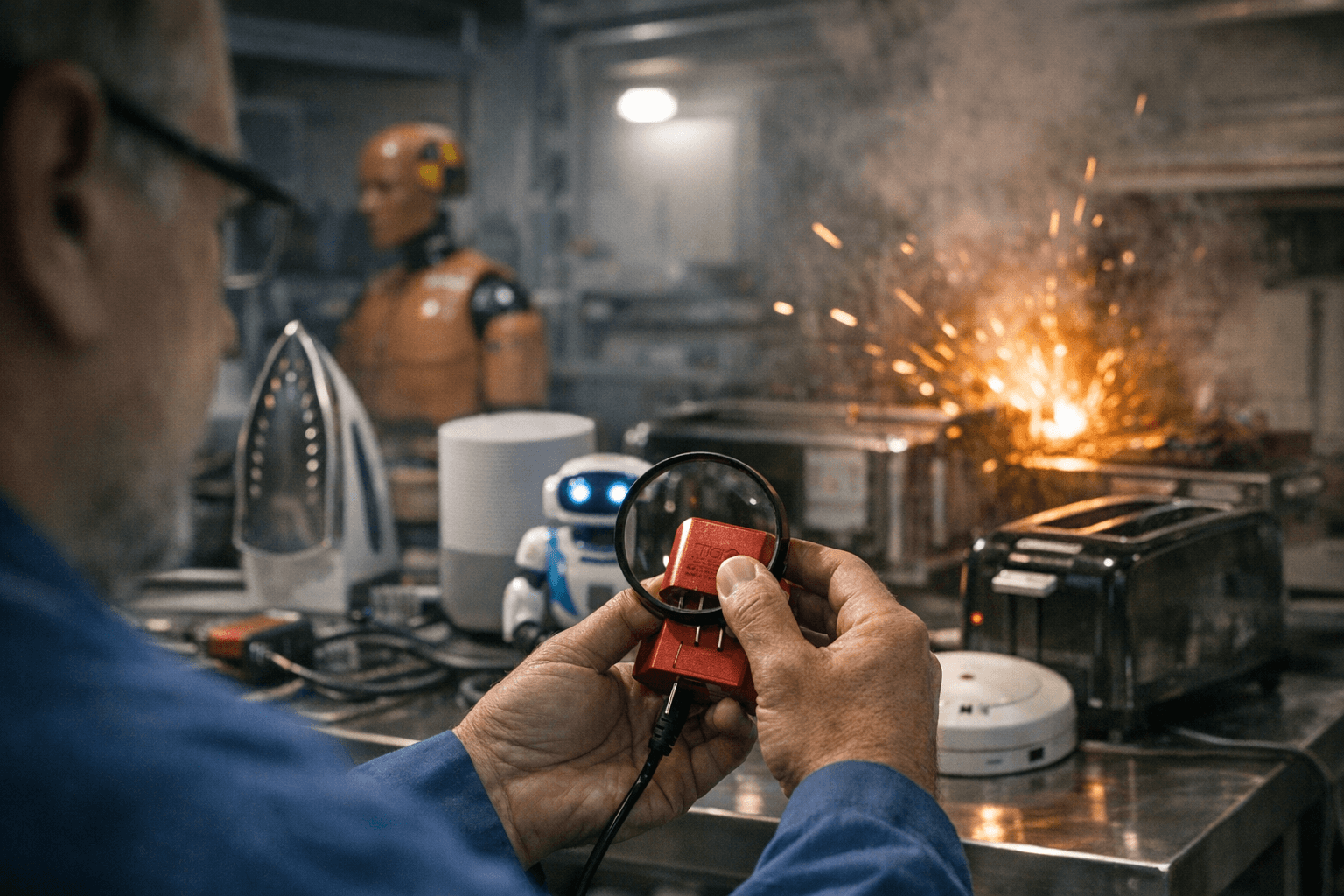
The UL mark looks modest on a toaster, charger or power strip, but its economic and safety stakes are much larger than the logo suggests. For households, it is part of the line between a product that has been independently certified and one that has not been through the same scrutiny. For retailers and manufacturers, it can affect whether a product reaches the shelf, clears compliance checks, or earns trust in a crowded market where cheap electronics move fast and often cross borders before buyers ever read the fine print.

That is why the mark matters in a market flooded with third-party electronics and online marketplace listings. A familiar symbol can signal that a product has been tested against a defined standard, but it also sits inside a much broader certification system that now includes country codes, unique identifiers and QR codes. The challenge for consumers is simple to state and difficult to navigate: the UL label can be a meaningful safety signal, but it is not a blanket guarantee of every feature, use case or future failure.
From fire insurance to global safety science
UL began in 1894, when William Henry Merrill, Jr. founded the organization with support from two regional fire insurance underwriters’ organizations, two employees and $350 of equipment. UL says its first test was conducted on March 24, 1894, on non-combustible insulation, a reminder that the organization was built around one central economic problem: reducing loss before it reaches the home, the warehouse or the insurer’s balance sheet.
Its first safety standard, for tin-clad fire doors, was published in 1903. Since then, UL Research Institutes says the organization has created more than 1,700 safety standards, turning what began as a small testing bureau into a sprawling standards and certification ecosystem. Today, UL Solutions describes itself as a global safety science company serving customers in more than 110 countries, with testing, inspection and certification services alongside software and advisory offerings.
That scale matters because the modern product economy is global. A single device can be designed in one country, assembled in another and sold through a marketplace that reaches millions of homes. In that environment, a trusted mark becomes part of the infrastructure of commerce, not just a consumer convenience.
What the UL mark does, and what it does not
UL Solutions says the UL Mark appears on billions of products around the world each year. The company defines the mark as evidence that a product has been certified to meet scientific safety, quality or security standards. That distinction is important: the mark is tied to specific standards, not to a vague promise that something is good, durable or premium.
The system is also more layered than many shoppers realize. UL says it continues checking products months and years after testing to make sure they still meet requirements. That ongoing oversight matters because a product can change over time through manufacturing shifts, substitutions in components, or quality drift after launch. In practical terms, the mark is not merely a one-time pass or fail; it is part of an ongoing compliance relationship.
The hidden consumer stake is trust. If a product carries the mark, consumers may assume someone has independently looked at the risk profile behind it. Insurers, retailers and regulators may care for different reasons, but they all value the same thing: a product that performs consistently enough to reduce injury, claims and downstream disruption. The mark therefore does more than reassure. It helps assign risk in a market where the buyer cannot personally inspect the circuitry, wiring or materials inside every item.
Why the mark has become more complex
The old idea of a single universal safety stamp no longer fits the system UL has built. UL says the modern Enhanced and Smart UL Mark can include attributes such as safety, health effects, functional safety, performance, marine, sanitation, security, energy and signaling. It can also include country codes and unique identifiers, and the smart version can add a QR code that links to certification details.
That complexity reflects the way products now enter different markets under different rules. A product may be certified for one geography, one use case or one technical standard, but not another. The enhanced mark gives more information to manufacturers, buyers and compliance teams who need to know exactly what was tested and under which requirements.
UL’s Product iQ database is central to that process. The company says users can verify certification information there and search for guide and product records. For a shopper, that database matters because it provides a way to confirm that a mark corresponds to a real certification record. For a manufacturer or retailer, it helps trace the status of a listing and locate the paperwork that supports market access.
This is where the system gets murky for consumers. A UL logo by itself may not tell you which attributes were certified, which country the listing applies to or whether the mark is a traditional label or a smart version tied to a specific record. The logo is still meaningful, but it has become the front door to a much larger database of product-specific information.
Leadership and scale in a 110-country business
Jennifer F. Scanlon has been president and chief executive of UL Solutions since 2019. UL said when she took the role that she became the first woman to lead the 125-year-old organization. Her tenure sits within a business that has expanded well beyond the old image of a lab checking appliances in isolation.
UL Solutions now combines testing, inspection and certification with software and advisory services, and it serves customers in more than 110 countries. That mix shows how safety standards have become part of a larger commercial system. Certification is not just a technical exercise; it is also a market-access tool, a compliance language and a way to support trust across supply chains.
The broader UL ecosystem, including UL Standards & Engagement and UL Research Institutes, reinforces that point. Standards development, research and certification work together to keep pace with products that are increasingly connected, software-driven and distributed through digital marketplaces.
Why consumers still need to read the mark carefully
The real lesson for households is not simply to look for a familiar logo. It is to understand what the logo represents: a certification to a defined standard, backed by ongoing checks and linked to a record that can be verified. That can be crucial when buying low-cost electronics, chargers, appliances and other products that carry real fire and shock risks if they are poorly designed or misrepresented.
The mark does not replace judgment, and it does not eliminate all risk. But in a marketplace where the cheapest item often wins the click, the UL system helps separate a product that has been documented and verified from one that has not. That difference can show up later in a safer home, a cleaner recall process, a lower insurance loss or simply a product that earns trust long after the purchase is made.
This article was produced by Prism’s automated news system from verified source data, official records, and press releases, then run through automated quality and moderation checks before publishing. The system is built and supervised by the people who set the standards it runs under. Read our full AI policy.
Did this article answer your question?

