U.N. adopts resolution to punish attacks on peacekeepers
The Security Council unanimously backed new accountability rules after seven UNIFIL peacekeepers were killed in Lebanon. It now wants investigators, prosecutions and annual reporting.
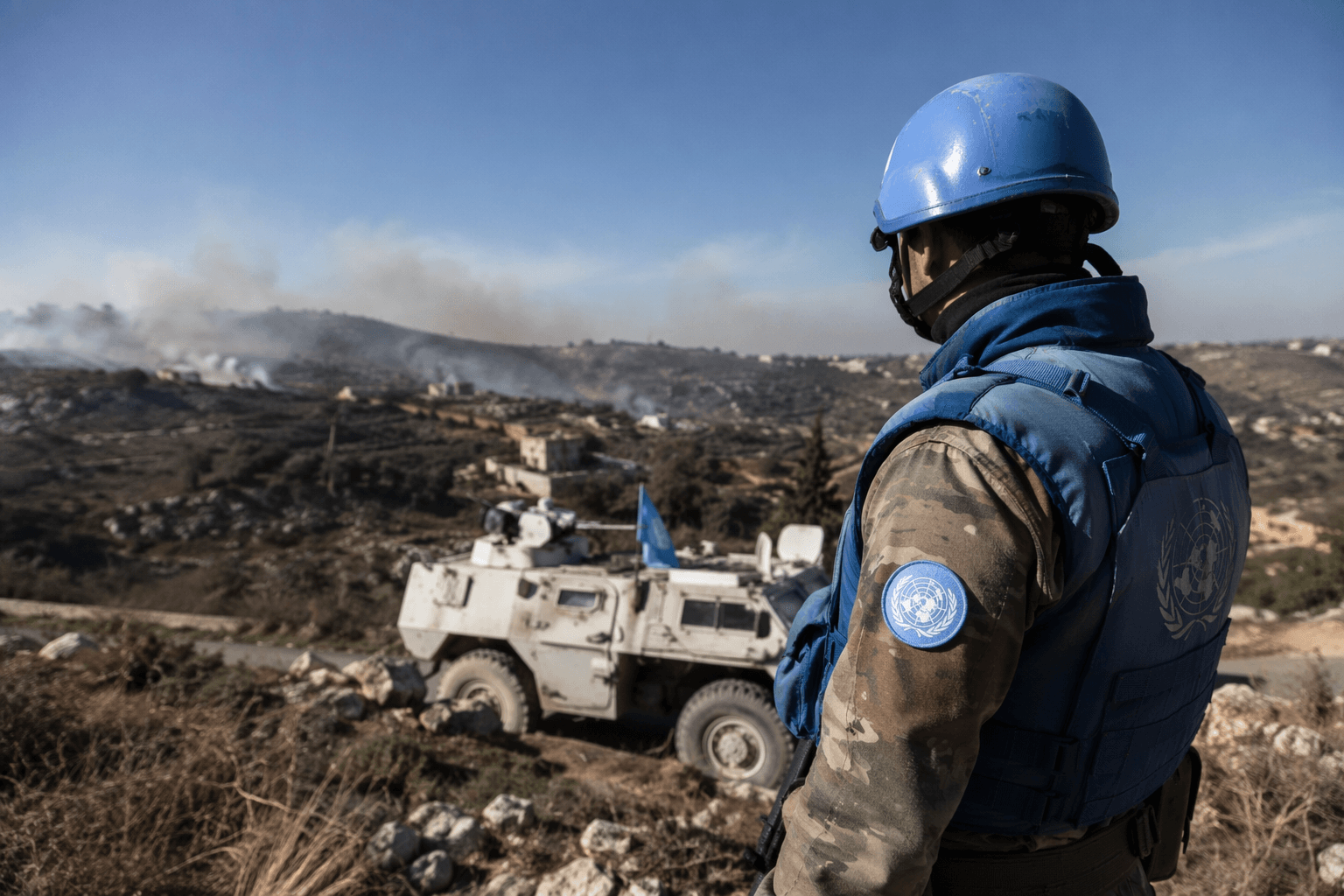
The U.N. Security Council unanimously adopted a resolution on Tuesday to tighten accountability for attacks on peacekeepers, a rare show of unity after a string of deadly assaults in conflict zones. The measure came in response to mounting concern that peacekeepers, deployed where state authority is often weakest, are being targeted with growing frequency and too little legal consequence.
Drafted by Denmark and Pakistan and co-sponsored by 152 countries, the resolution reflected unusually broad support for a tougher line on impunity. Its passage followed the killing of seven peacekeepers with the United Nations Interim Force in Lebanon after fighting between Israel and Hezbollah escalated in early March, a case that sharpened attention on how quickly violence around U.N. missions can spill into broader instability.
The resolution makes clear that host states bear the primary responsibility for protecting peacekeepers, but it goes further by pressing governments to cooperate with investigations and to take all necessary measures to identify, arrest and prosecute those responsible. That matters because many of the countries where U.N. missions operate have weak courts, limited policing capacity or little political will to pursue cases against armed groups and, at times, their own security forces.
It also adds an institutional mechanism designed to keep pressure on states after the vote is over. The resolution asks the secretary-general to designate a senior focal point to coordinate accountability efforts, encourages troop- and police-contributing countries to send investigators when requested, and requires an annual progress report on investigations and prosecutions. By creating a formal reporting line, the council is trying to move the issue beyond condemnation and into routine scrutiny.
The text goes even further by saying attacks on peacekeepers may amount to war crimes, a warning that could strengthen future prosecutions if member states act on it. It also signals that the council may consider additional steps if violence continues. The implication is stark: when attacks on peacekeepers go unpunished, missions lose deterrence, local armed actors gain confidence, and a wider collapse of order becomes more likely.
For Lebanon, where tensions remain high after the recent fighting involving Hezbollah and Israeli forces, the resolution adds fresh diplomatic pressure at a sensitive moment. More broadly, it sends a message to governments and armed groups across Africa, the Middle East and other volatile regions that assaults on peacekeepers are no longer being treated solely as a security problem. The council is now insisting they are also a justice problem, and one that could shape the credibility of future peace operations.
This article was produced by Prism’s automated news system from verified source data, official records, and press releases, then run through automated quality and moderation checks before publishing. The system is built and supervised by the people who set the standards it runs under. Read our full AI policy.
Did this article answer your question?