U.N. Chief Urges Israel to Reverse Suspension of 37 Aid Organisations
U.N. Secretary-General António Guterres on Jan. 3 urged Israel to reverse its suspension of 37 international humanitarian organisations from Gaza and parts of the occupied West Bank, warning the measure could undermine fragile ceasefire gains and life-saving relief. The dispute centers on new Israeli registration rules that require detailed staff and funding disclosures, including lists of Palestinian employees, raising legal, security and operational concerns for aid delivery.

U.N. Secretary-General António Guterres said he was "deeply concerned" after Israeli authorities announced the suspension of 37 foreign humanitarian and aid organisations from the Gaza Strip and parts of the occupied West Bank. The decision follows a new Israeli regulatory framework that demands detailed information on NGOs' staff members, funding and operations, and specifically lists of Palestinian employees; organisations refusing to comply were ordered to cease operations by March 1, 2026.
Israeli officials framed the rules as a security measure designed to vet groups and personnel operating in areas under Israeli control and to prevent organisations it accuses of supporting terrorism from operating in the Palestinian territories. The government has not publicly listed all 37 groups, but reports identify several prominent agencies among them, including Médecins Sans Frontières/Doctors Without Borders, ActionAid, the International Rescue Committee and the Norwegian Refugee Council. MSF said it employs about 1,200 staff members in the Palestinian territories, the majority in Gaza.
The U.N. Secretariat called on Israel to act in accordance with its obligations under international humanitarian law and to reverse the suspension, arguing that the affected organisations are "indispensable to life-saving humanitarian work" and that the suspension "will further exacerbate the humanitarian crisis facing Palestinians," according to U.N. spokesperson Stéphane Dujarric relaying the secretary-general's position. U.N. officials warned that removing these actors risks undoing gains tied to recent ceasefire arrangements and could sharply reduce the flow of food, medical care, fuel, shelter and sanitation support at a time of acute need.
Aid organisations and rights groups strongly criticised the Israeli measures, saying the registration requirements contravene international humanitarian law, compromise organisational independence and neutrality, and could endanger Palestinian staff by requiring disclosure of their identities to Israeli authorities. Eighteen Israel-based left-wing NGOs described the framework as one that "violates core humanitarian principles of independence and neutrality." Palestinian rights group Al-Haq condemned the measures and urged broad diplomatic and economic responses, including a two-way arms embargo and trade restrictions, framing the suspension as part of a wider set of legislative steps that include amendments adopted by the Israeli parliament on Dec. 29 relating to UNRWA operations.
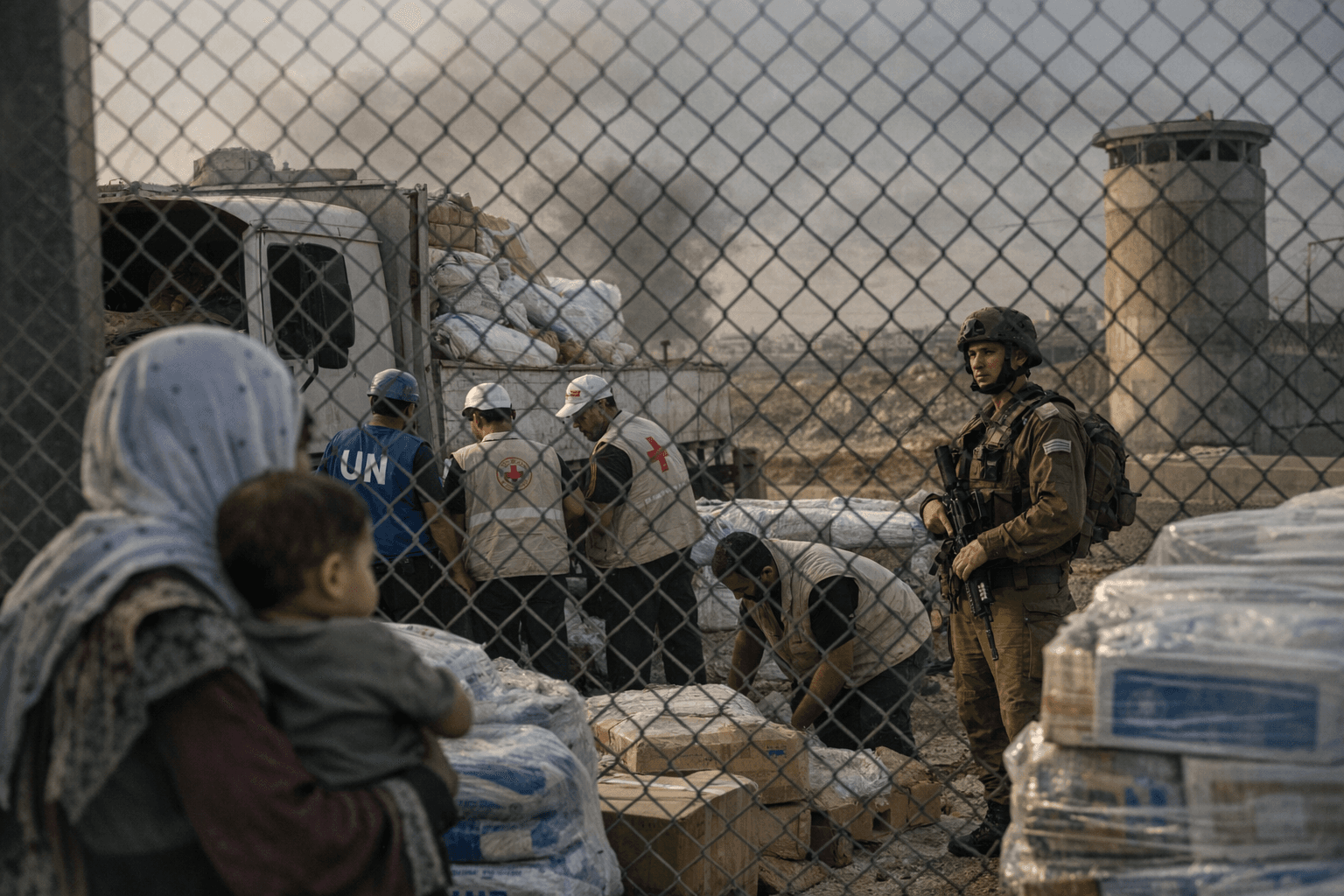
Humanitarian coordinators and independent observers warned that operational consequences could be immediate. Journalists and aid monitors said suspensions threaten logistics chains that distribute tents, shelter materials, clean water, fuel and medical supplies, and could force international staff to withdraw or scale back programs. In Gaza, where health and sanitation systems remain fragile, the loss of specialised medical teams and supply lines could increase civilian casualties and disease risk.
The measure was publicly reported at the end of December and by Jan. 2–4, and Israel has set March 1 as the compliance deadline. Key unanswered questions include whether Israel will fully enforce the suspension, whether any organisations will accede to the registration demands, whether international diplomatic pressure will prompt a reversal, and what contingency plans exist to maintain relief deliveries in the immediate term. With civilians dependent on aid and ceasefire gains fragile, the coming weeks will test international legal norms, diplomatic leverage and the humanitarian community's capacity to adapt.
This article was produced by Prism’s automated news system from verified source data, official records, and press releases, then run through automated quality and moderation checks before publishing. The system is built and supervised by the people who set the standards it runs under. Read our full AI policy.
Did this article answer your question?