UN Declares Slave Trade Gravest Crime, U.S. Vote Exposes Reparations Fault Lines
The UN voted 123-3 to name the slave trade humanity's gravest crime; the U.S. joined only Israel and Argentina in opposition, reigniting the reparations debate.
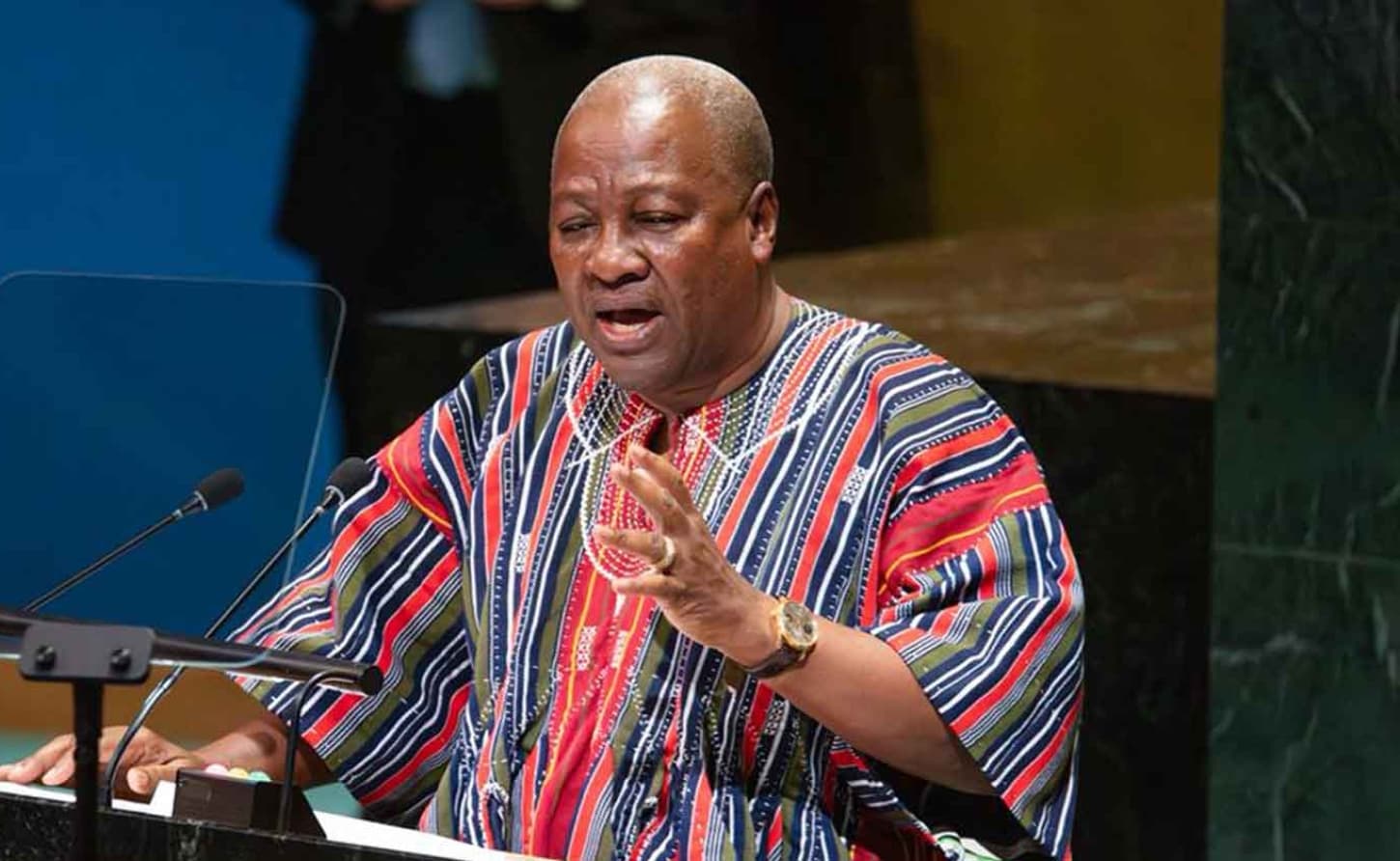
When 123 nations voted to declare the transatlantic slave trade the gravest crime against humanity in recorded history, the United States was not among them.
The United Nations General Assembly passed the landmark resolution Thursday with 123 votes in favor, three against and 52 abstentions, a result that Ghana and the African Union had spent years engineering and that supporters called a watershed moment in the global reckoning with slavery's legacy. Washington joined Israel and Argentina in opposition, a trio of dissenting votes that immediately drew scrutiny from civil rights advocates who said their position spoke louder than the lopsided result.
The resolution, adopted in New York, stops short of creating binding legal obligations. It formally recognizes the scale and systemic nature of the transatlantic slave trade and calls on member states to engage with reparatory justice processes, cultural restitution and educational reform. For Ghana, whose government described the measure as "truth and healing codified into policy," the vote marked the culmination of a sustained diplomatic campaign to anchor the memory of the slave trade in international law's moral framework.
The United States, in explaining its opposition, cited concerns about creating hierarchies of suffering, the argument that elevating one historical atrocity above others in formal U.N. language risks distorting the architecture of international humanitarian recognition. American officials also pointed to the legal and political complications embedded in the resolution's language around reparations, warning that its committal framing could open unpredictable legal and fiscal pathways.
Critics of Washington's position were unsparing. Civil rights leaders and activists seized on the no vote as evidence of a sustained unwillingness to confront the full structural consequences of American slavery, not merely its historical fact. The implicit argument: acknowledging the slave trade as the gravest crime against humanity is, functionally, a step toward accepting that remedial action, whether financial, legal or institutional, would logically follow.
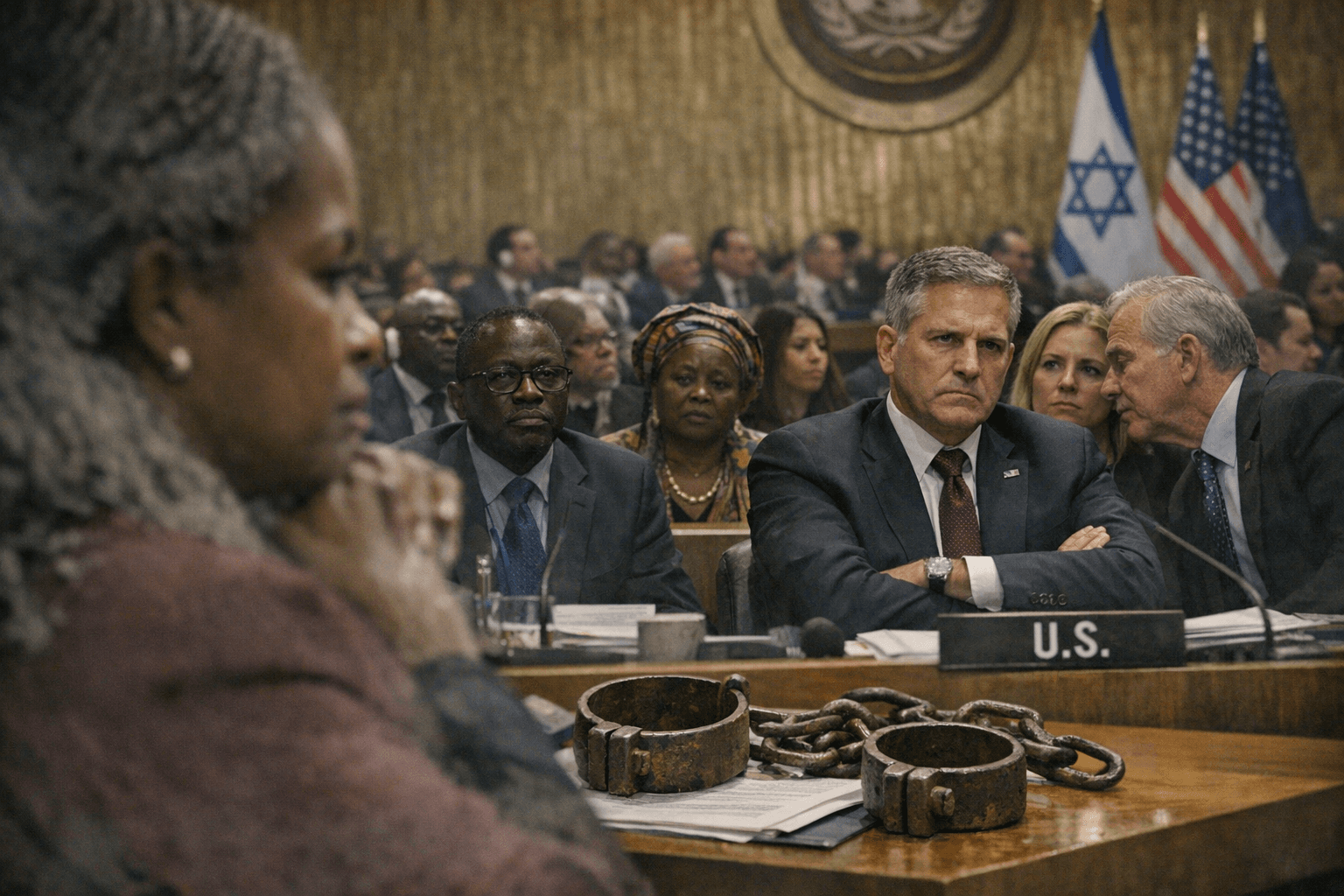
That prospect is precisely what shaped the 52 abstentions, a figure that tells a fuller story than the three no votes. Several Western governments, reluctant to be seen voting against a slavery resolution but equally reluctant to endorse language that might generate legal exposure, took cover in abstention. The result was a resolution with overwhelming numerical support and a significant gap between moral endorsement and political commitment.
The deeper question the resolution leaves unanswered is what comes next. If the vote catalyzes coordinated bilateral programs, formal apologies, cultural restitution or targeted development funds, it will represent a genuine shift in international norms. If major economies treat the declaration as symbolic cover while stonewalling any follow-through mechanism, it joins a long list of U.N. proclamations whose moral weight outpaced their practical consequence.
For the United States, the no vote arrived as congressional debates over domestic reparations legislation remain dormant and the administration has shown little appetite for revisiting that ground. Washington's opposition in New York effectively signals that whatever reckoning with slavery's legacy eventually takes shape will remain a matter of domestic political will rather than international obligation, a distinction that activists arguing for accountability say matters considerably less than the outcome.
This article was produced by Prism’s automated news system from verified source data, official records, and press releases, then run through automated quality and moderation checks before publishing. The system is built and supervised by the people who set the standards it runs under. Read our full AI policy.
Did this article answer your question?


