U.N. Human Rights Council expands Iran investigation amid growing concern
council widens mandate of independent investigators into alleged abuses in Iran, increasing diplomatic pressure and laying groundwork for accountability efforts.
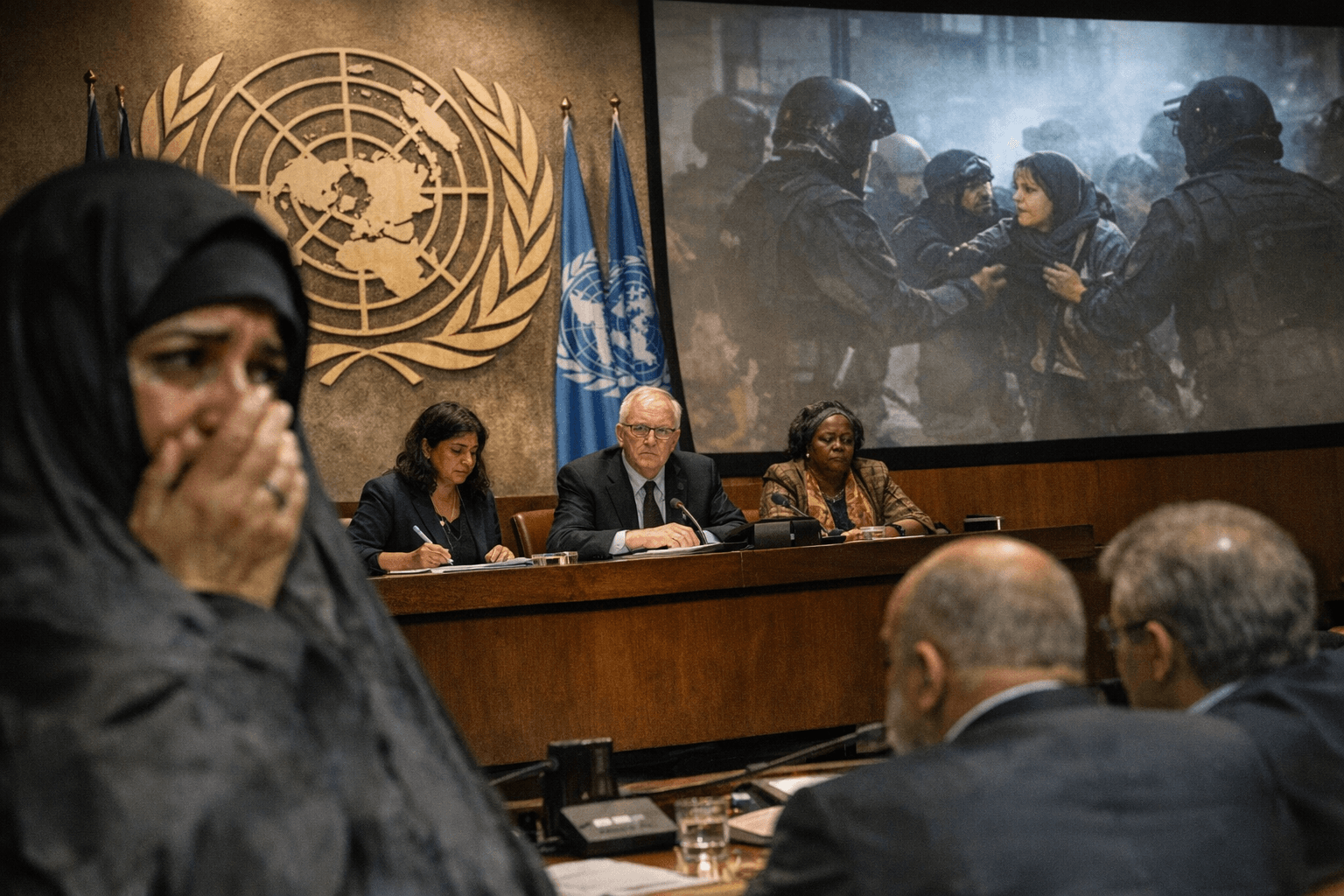
The United Nations Human Rights Council voted today to extend and broaden the mandate of independent investigators probing alleged human rights abuses in Iran, a step that intensifies international scrutiny of Tehran amid enduring concerns over a harsh crackdown on dissent. The 47-member council approved the measure after deliberations that reflected persistent divisions among states over engagement with Iran.
The expanded mandate tasks U.N. investigators with a wider remit to document patterns of repression, collect testimony from victims and witnesses, and analyze whether violations amount to crimes under international law. While council resolutions are nonbinding, diplomats said the move will formalize monitoring, increase transparency and produce a more comprehensive record that could inform future diplomatic, legal and policy responses.
The vote comes against a backdrop of sustained unrest inside Iran and repeated allegations by rights groups that authorities have used lethal force, arbitrary detention and judicial measures to silence critics. International attention initially surged in 2022 after the death of Mahsa Amini in custody, and rights advocates say periodic waves of protest and repression since then have led to mounting evidence of systemic abuses. The council’s decision signals that those concerns have not abated and that member states want a sustained mechanism to scrutinize developments.
For Tehran, the resolution is likely to deepen a sense of diplomatic isolation and complicate its relations with countries seeking to balance engagement on other regional issues. Iran has historically rejected U.N. probes as politically motivated and framed them as interference in its internal affairs. The council’s action is expected to provoke a defensive response from the Iranian government and from allies who view the step as an infringement on sovereignty.
Supporters of the resolution argued that an extended investigative mandate is necessary to ensure accountability and to document violations comprehensively. They see the mechanism as creating an evidentiary base that could feed into international courts, influence sanctions deliberations and bolster the leverage of states pressing for improved human rights practices. Opponents counter that such measures risk politicizing the Human Rights Council and undermining prospects for diplomatic engagement that could address concerns through quiet diplomacy.
Legal and diplomatic experts cautioned that the investigators’ work will not itself produce immediate legal consequences. Determinations about criminal responsibility and prosecutions rest with courts and tribunals that operate under specific jurisdictional rules. Nevertheless, the documentation and analysis produced by the U.N. mandate can be pivotal in shaping international opinion, supporting domestic accountability efforts where possible and informing decisions by states and multilateral bodies.
The council’s vote adds to a pattern of international institutions increasingly confronting the challenge of addressing rights abuses while managing competing geopolitical interests. As the investigators begin to map the scope of alleged violations, their findings will test the effectiveness of the U.N. system in translating documented abuses into concrete steps that protect victims and deter future violations. The outcome will be watched closely by rights groups, regional governments and capitals that weigh how best to combine pressure, engagement and legal avenues in pursuit of accountability.
This article was produced by Prism’s automated news system from verified source data, official records, and press releases, then run through automated quality and moderation checks before publishing. The system is built and supervised by the people who set the standards it runs under. Read our full AI policy.
Did this article answer your question?


