UN says next five years likely to breach 1.5 degrees warming
The UN says the world has a 75% chance of averaging above 1.5 degrees of warming from 2026 to 2030, with record heat likely to keep intensifying costs now.

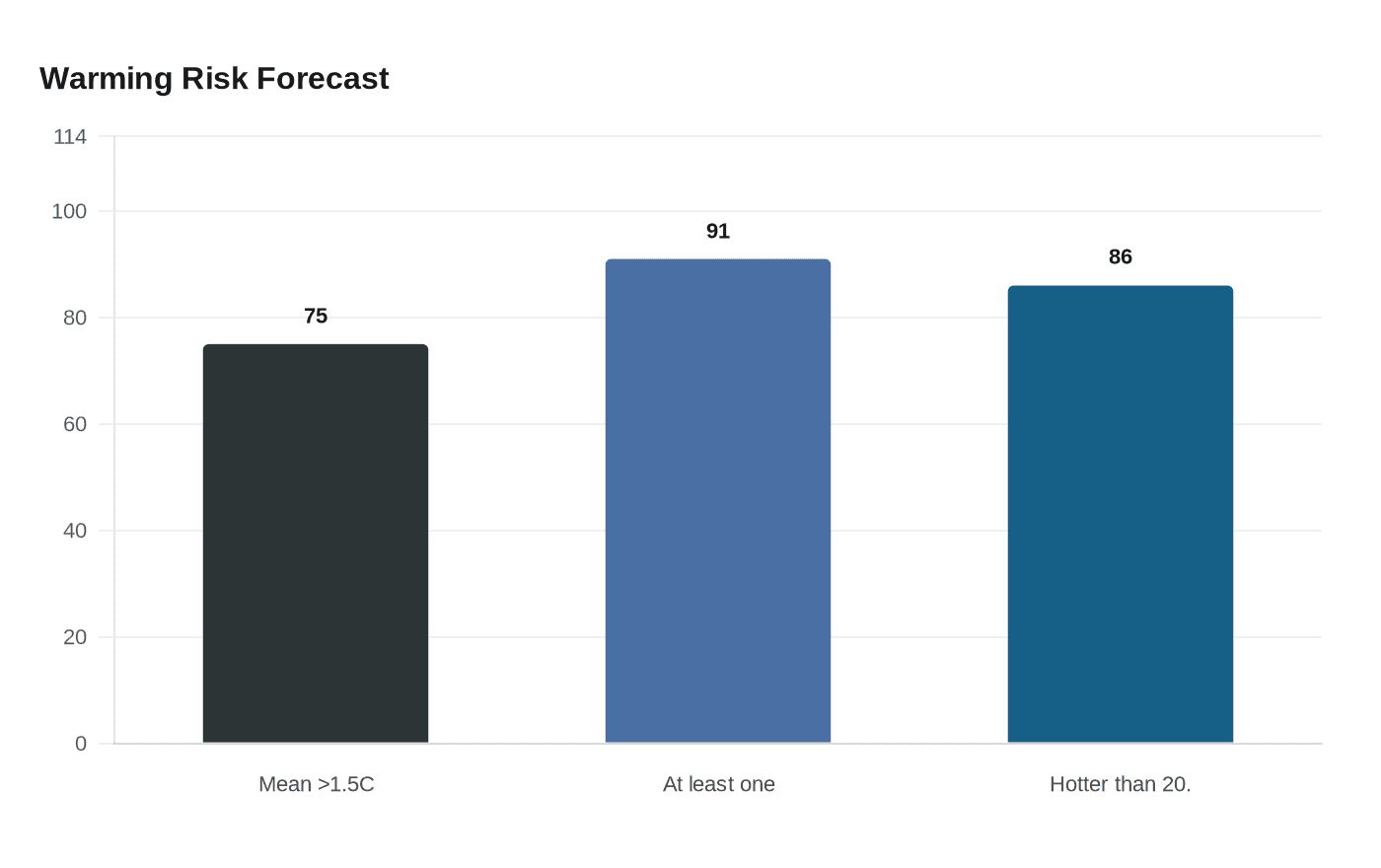
The next five years are likely to keep the planet above the 1.5-degree warming line, putting repeated record heat squarely inside the budget cycle, insurance cycle and infrastructure plans now being written. The World Meteorological Organization said there is a 75% chance that the 2026 to 2030 five-year mean will exceed 1.5 degrees Celsius above the 1850 to 1900 average, the benchmark set by the 2015 Paris Agreement.
The forecast goes further. The agency said there is a 91% chance that at least one year between 2026 and 2030 will cross 1.5 degrees above pre-industrial levels, and an 86% chance that one of those years will surpass 2024 as the hottest year on record. Annual global mean near-surface temperatures in that period are projected to land between 1.3 degrees and 1.9 degrees above the late-19th-century baseline, while it is exceptionally unlikely, at less than 1%, that any single year in the next five will exceed 2 degrees.
That matters because 2024 already reset the floor. The World Meteorological Organization confirmed on Jan. 10, 2025, that 2024 was the warmest year ever measured, at about 1.55 plus or minus 0.13 degrees Celsius above the 1850 to 1900 average, and likely the first calendar year to sit above the 1.5-degree mark. The UN has stressed that the Paris target is a long-term goal measured over roughly 20 years, not a switch that flips after one hot year. But it has also said every fraction of a degree adds risk.
The consequences are not abstract. The forecast points to an overheating Arctic, where warming is expected to be nearly 3 degrees Fahrenheit, and to a dangerous drought risk for the Amazon, a region that helps regulate the planet’s climate. The central tropical Pacific also shows a tendency toward El Niño conditions, especially in 2027 and 2028, which could amplify heat and other climate extremes.
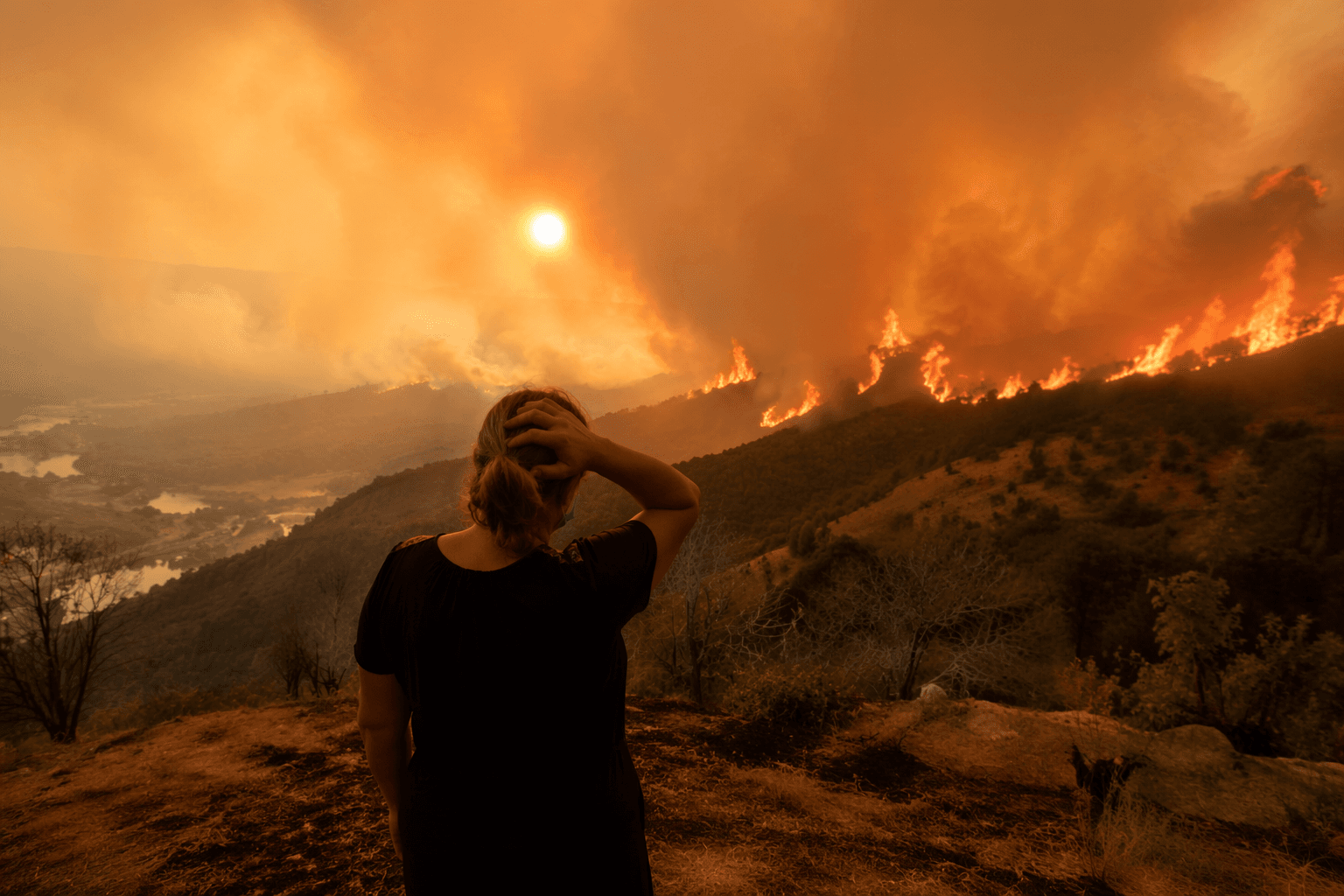
Scientists involved in the update said the 1.5-degree line is not a cliff, but each additional increment raises the stakes for coral reefs, glaciers, agriculture, city planning and wildfire risk. Friederike Otto warned that one or more years above 1.5 degrees could bring extreme weather beyond what societies have prepared for, while WMO co-author Melissa Seabrook said each step up brings more severe impacts. The broader message from the UN is blunt: the near-term trajectory is still moving in the wrong direction, and the costs will be felt in disaster response, public health systems, power grids and food prices long before the century is over.
This article was produced by Prism’s automated news system from verified source data, official records, and press releases, then run through automated quality and moderation checks before publishing. The system is built and supervised by the people who set the standards it runs under. Read our full AI policy.
Did this article answer your question?