UN secretary-general race turns public as four candidates face hearings
Four declared contenders faced live UN hearings as the next secretary-general race turned public, but the decisive bargaining still waits behind closed doors.
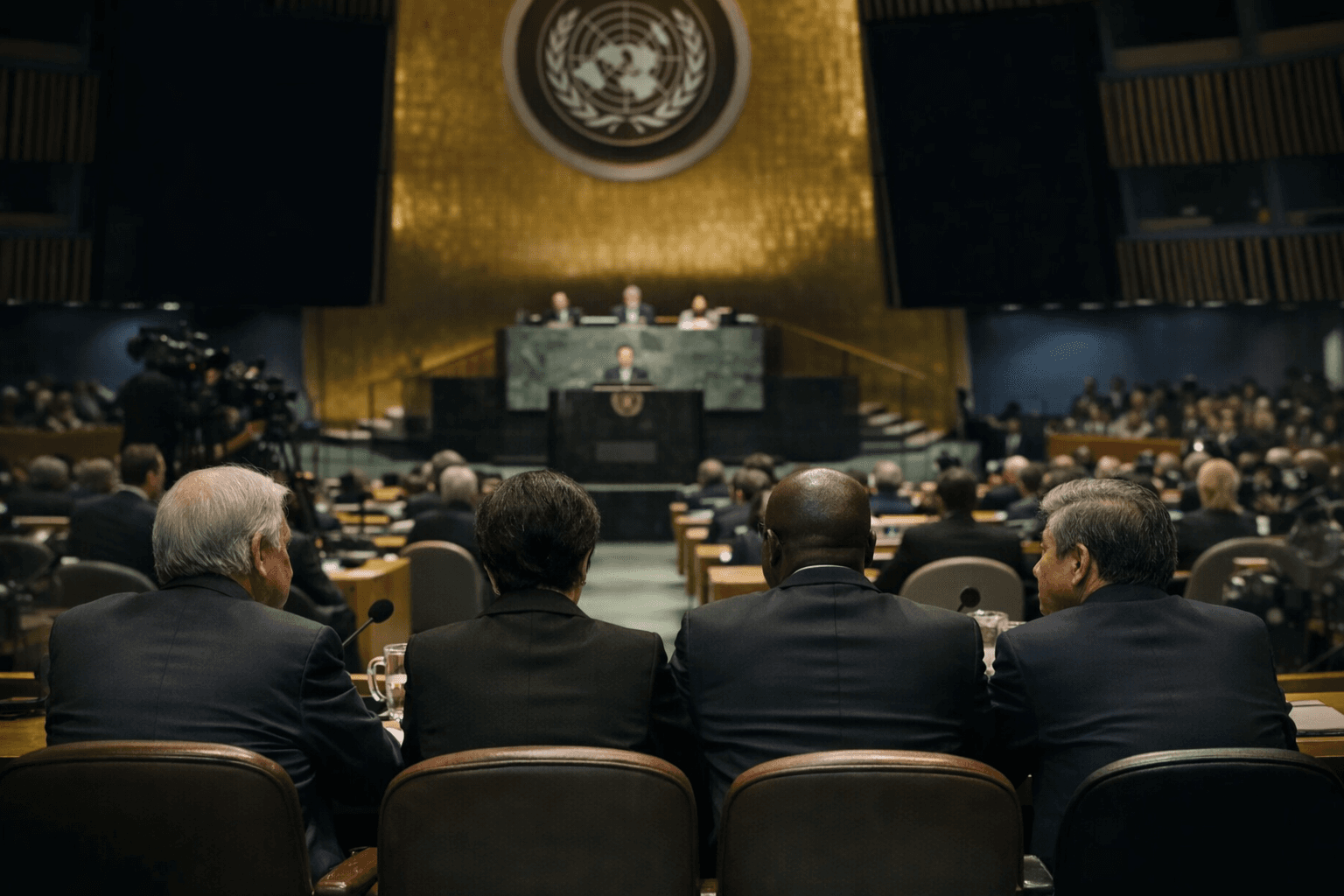
Four declared candidates faced live questions at the United Nations as the contest to replace António Guterres moved into its most public phase, giving member states, diplomats and civil society a rare chance to test who could lead an institution under strain.
Michelle Bachelet of Chile, Rafael Grossi of Argentina, Rebeca Grynspan of Costa Rica and Macky Sall of Senegal were scheduled for the interactive dialogues on 21 and 22 April in the Trusteeship Council chamber in New York. The sessions were webcast live, part of a process the UN has cast as its most transparent secretary-general selection yet, with a public list meant to show each candidate’s nominating states, vision statement, curriculum vitae and campaign-finance disclosures.
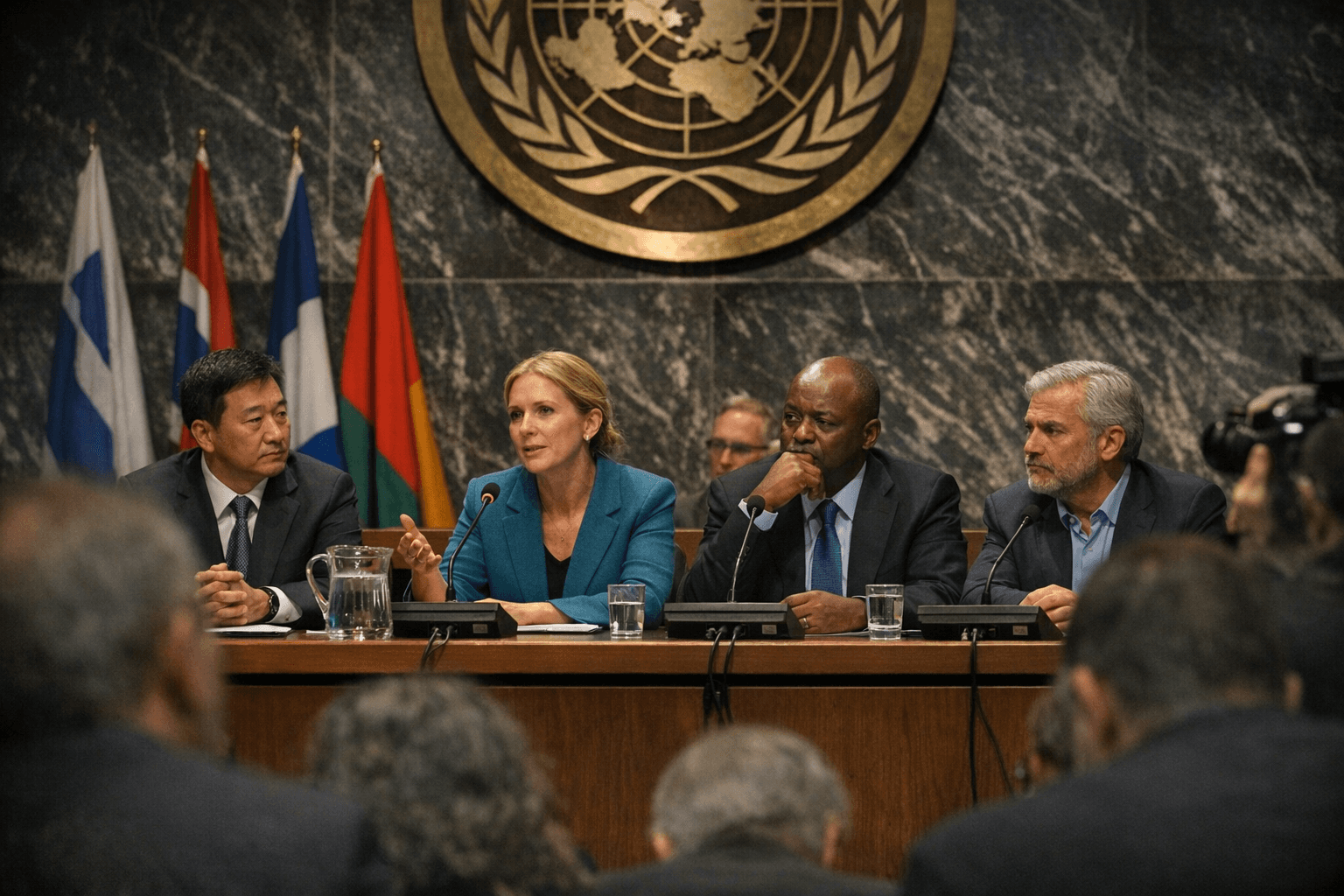
The hearings arrive with the organization confronting diminished stature, geopolitical polarization and budget pressure. The next secretary-general, the UN’s tenth, is expected to take office on 1 January 2027 after Guterres’s term ends on 31 December 2026. The point of the public grilling is to force candidates to say how they would respond to war, humanitarian breakdowns, climate pressures and the internal reform agenda that has long frustrated UN members.
The selection process was formally launched by a joint letter from the presidents of the General Assembly and Security Council on 25 November 2025, and member states were invited to nominate candidates by 1 April 2026. Under the current timetable, the Security Council is expected to discuss the field behind closed doors in late July, before the General Assembly formalizes the appointment later in the year, typically between August and October.
That split between public scrutiny and private decision-making defines the race. The hearings can expose how each candidate thinks about reform, the three pillars of the United Nations and the political demands of a fractured world, but the final choice still rests with the five permanent Security Council members, whose competing interests have shaped every secretary-general selection.
Gender and geography have also become central themes. UN News has framed the contest around whether the next chief will come from Latin America and whether a woman will finally lead the organization for the first time. If that happens, it would mark a historic break in an institution that has held open candidate dialogues only since 2016, when the first such public hearings helped lead to Guterres’s formal appointment by the General Assembly on 13 October 2016.
The 2026 race is broader than the four declared names, since additional candidates can still enter. Even so, the hearings have already shifted the selection from whispered diplomacy toward a visible test of competence, ambition and political courage, while leaving the ultimate power to the same closed system that will decide whether the public display meant accountability or theater.
This article was produced by Prism’s automated news system from verified source data, official records, and press releases, then run through automated quality and moderation checks before publishing. The system is built and supervised by the people who set the standards it runs under. Read our full AI policy.
Did this article answer your question?