UN Security Council extends UNAMA mandate, orders strategic review
The Security Council kept UNAMA in Afghanistan for another year while ordering a strategic review, exposing a mission meant to stay and be rethought.
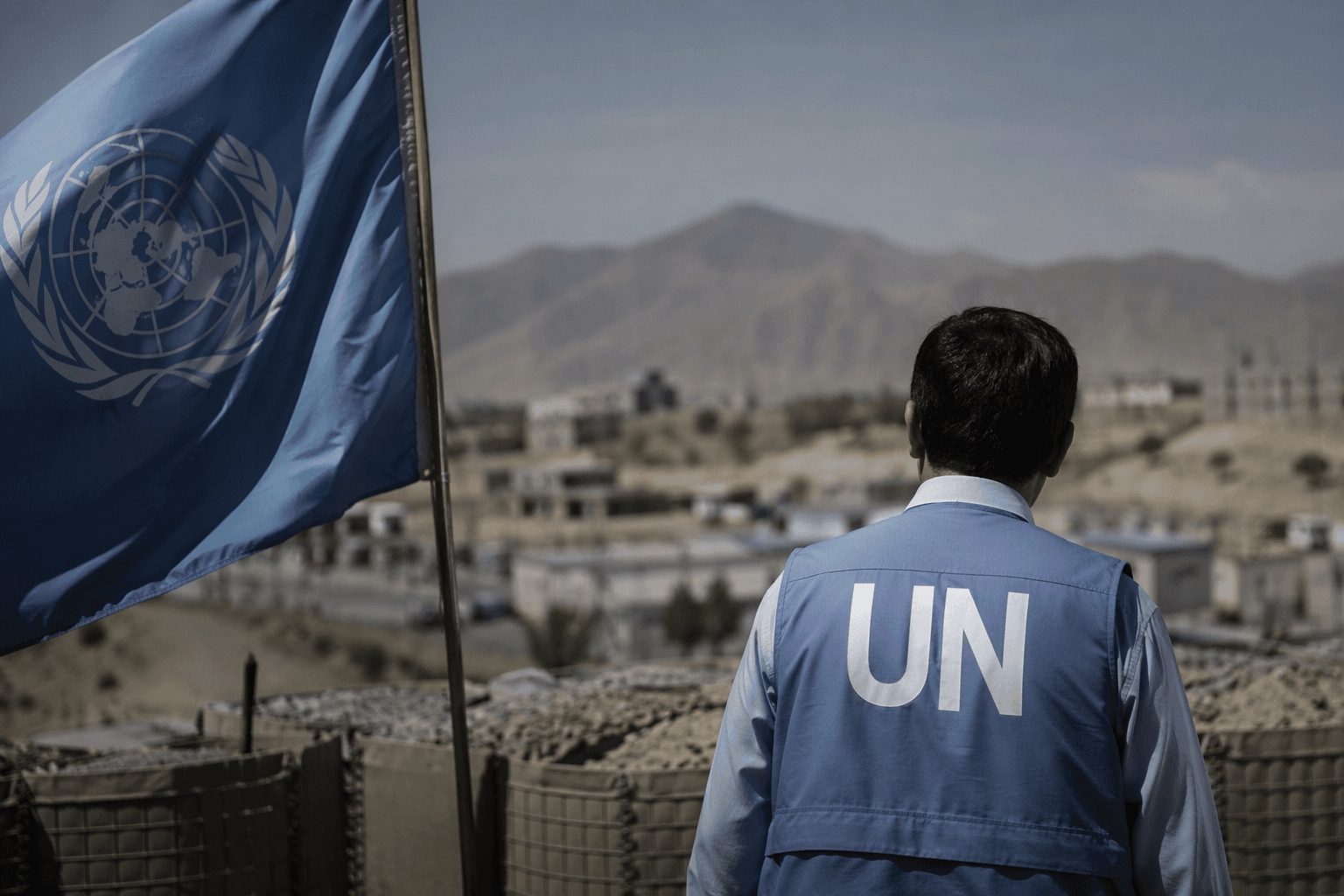
The Security Council kept UNAMA in Afghanistan for another year even as it ordered a strategic review, a clear sign that world powers still want a U.N. foothold in the country but are questioning how well that presence works. The unanimous June 15 vote extended the mission until June 17, 2027, while setting a March 31, 2027 deadline for the review. The decision came as council members again voiced alarm over Taliban rule, the worsening humanitarian crisis and the shrinking space for women and girls.
UNAMA remains the main U.N. political mission in Afghanistan, created to assist the Afghan people and adjusted repeatedly since 2002. That mandate now sits at the center of a contradiction: the council wants the mission to stay engaged under Taliban rule, but it also wants a leaner, more effective structure that can coordinate better with other U.N. bodies and avoid duplication. The new text says UNAMA should support the Afghan people in a way that respects Afghan sovereignty, while also helping with sanctions monitoring, reporting regularly on developments and improving its effectiveness through the review.
The debate over the renewal again turned to the everyday consequences of Taliban policies. Council members highlighted the exclusion of women and girls from public life, education and work, which has become one of the defining features of Taliban rule since 2021. That exclusion has direct public health and social impacts, limiting access to schooling, jobs and civic participation while also weakening the country’s ability to sustain health services, community support systems and humanitarian outreach.
Council members also framed the renewal as a practical necessity. They argued that UNAMA still matters because ending or hollowing out the mission could create a vacuum in international engagement at a time when Afghanistan needs sustained access for aid delivery and monitoring. China, as penholder on the resolution, and other members stressed humanitarian access and the return of central bank assets, both of which remain central to the country’s ability to stabilize basic services and keep relief flowing to households under strain.
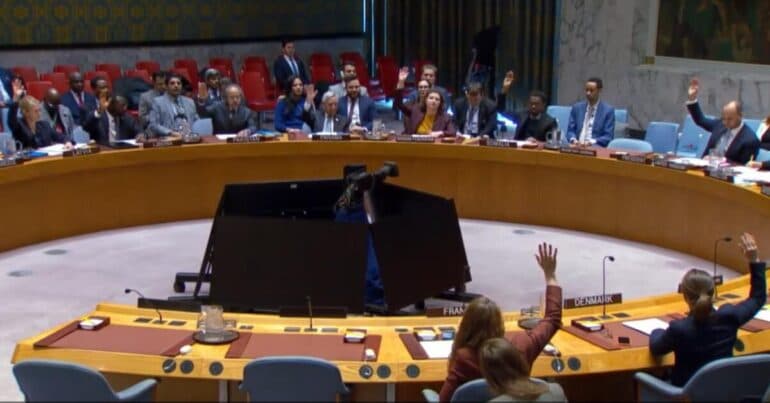
The United States welcomed the strategic review and said the mission should be fit for purpose, underscoring the broader impatience inside the council with both Taliban policies and UNAMA’s results. The vote left the mission intact, but it also put it on notice: Afghanistan will keep a U.N. presence for another year, and that presence is now under pressure to prove it can still influence events where the Taliban hold power.
This article was produced by Prism’s automated news system from verified source data, official records, and press releases, then run through automated quality and moderation checks before publishing. The system is built and supervised by the people who set the standards it runs under. Read our full AI policy.
Know something we missed? Have a correction or additional information?
Submit a Tip