UN warns famine risk rises across 13 hunger hotspots
Sudan, South Sudan, Yemen, Palestine, northeast Nigeria and Somalia are closest to famine as UN agencies warn funding cuts and conflict are outpacing aid.
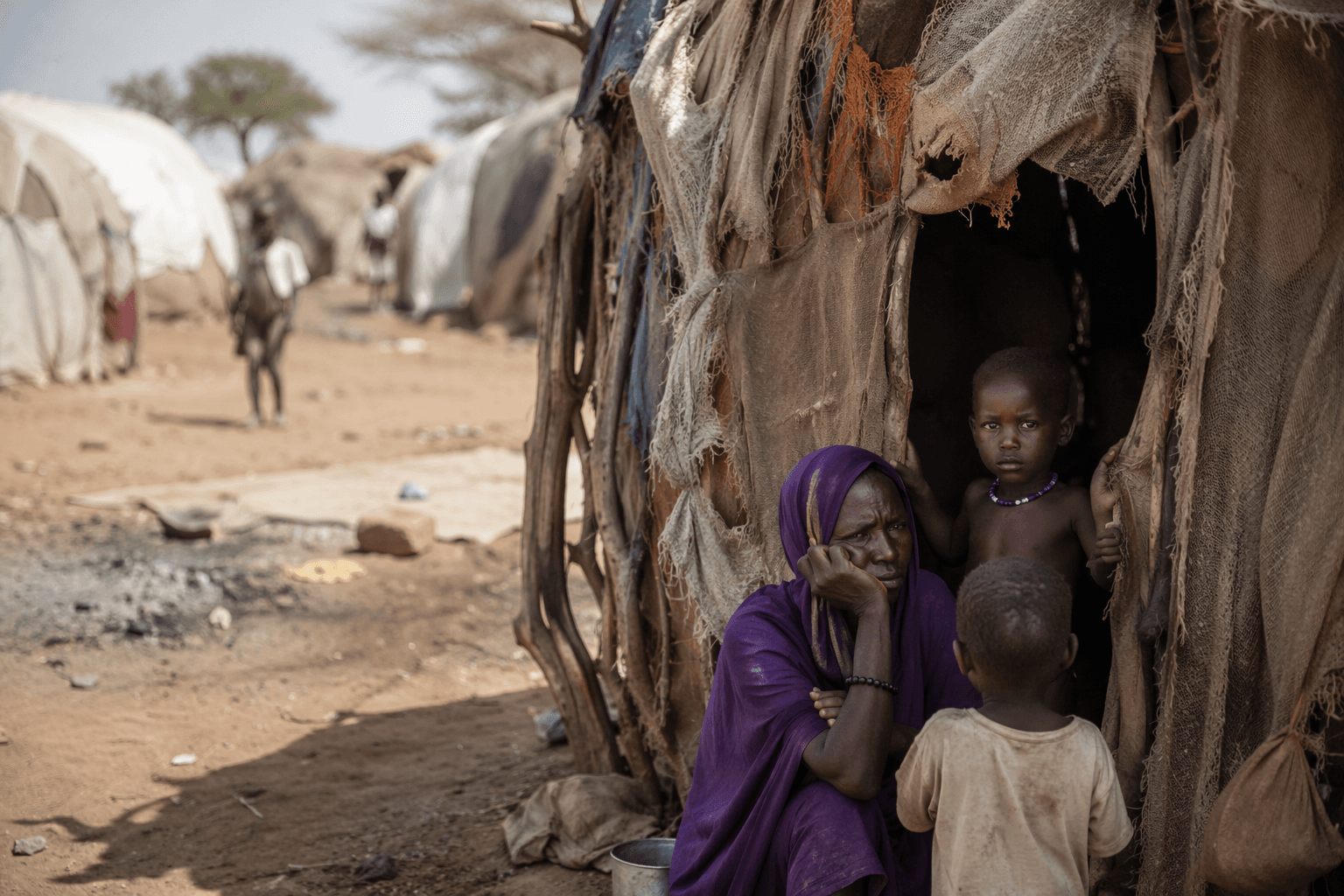
Extreme hunger is intensifying across 13 global hotspots, and the places closest to tipping into famine are now Sudan, South Sudan, Yemen, Palestine, northeast Nigeria and Somalia. A new Food and Agriculture Organization and World Food Programme outlook for June to November 2026 says acute food insecurity is set to worsen in countries where conflict, displacement, economic collapse and blocked aid routes are converging faster than relief can keep up.
The report places Sudan, South Sudan, Yemen and Palestine in the most critical category, while Nigeria and Somalia were added to the highest-risk list. It says conflict and violence are driving hunger in 12 of the 13 hotspots, with only one exception, and warns that about 266 million people across these places are already facing severe food insecurity. The agencies use that measure to track populations sliding beyond short-term hunger and into conditions that threaten malnutrition, disease and death.
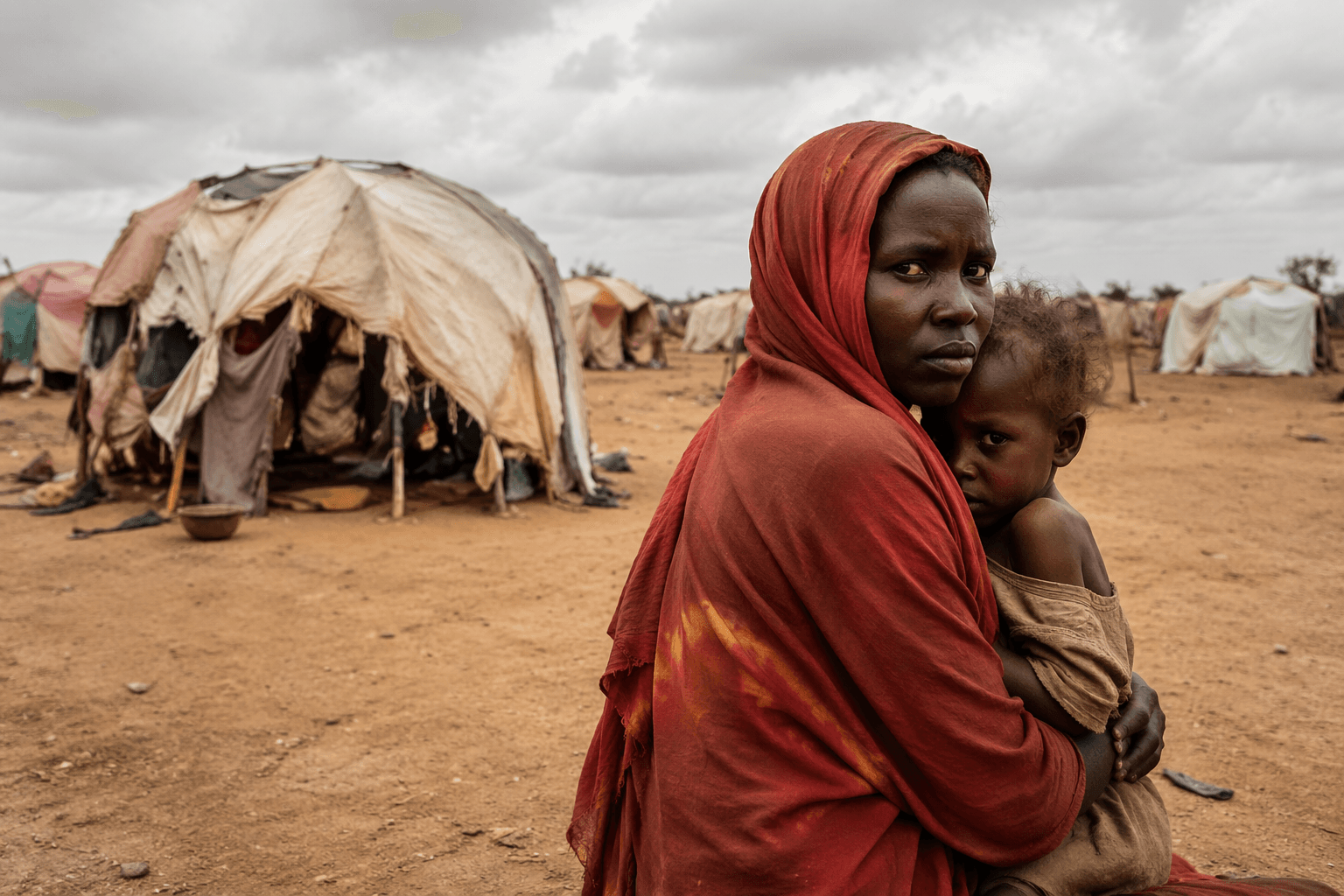
The funding picture is making the crisis harder to stop. Support for food assistance, emergency agricultural aid and nutrition in food crises fell by an estimated 59 percent between 2022 and 2025, leaving agencies with fewer tools to intervene before hunger becomes famine. The report says the gap matters most in the early stages of a crisis, when seeds, livestock support, cash aid and food distributions can still prevent a collapse. Once famine conditions take hold, the cost of response rises sharply, and so does the risk of mass displacement.
The country-level warnings are stark. In Sudan, famine risks in parts of Darfur and South Kordofan are expected to continue into early 2027, as the war pushes families off farmland and into crowded shelters with little access to markets. In Yemen, more than 18 million people could face severe food shortages. In Gaza, conditions remain fragile despite some improvement after the October 2025 ceasefire, and more than 1.6 million people had previously been assessed as needing urgent food support. Nigeria’s Borno State could face Catastrophe levels of acute food insecurity, while Somalia’s Burhakaba District is under famine risk after drought, conflict and poor harvests.
The warning extends beyond any single crisis. The report points to ripple effects from conflict in the Middle East, an Ebola outbreak in eastern Democratic Republic of the Congo, and a forecast El Niño event that could bring uneven rainfall, drought and flooding to already vulnerable areas. It also lands as humanitarian agencies face their own strain: Carl Skau assumed the role of acting executive director of WFP on June 2, 2026, at a moment when need is rising and resources are shrinking. The message from the UN system is blunt: the window for prevention is narrowing, and in the worst-hit hotspots, delay could mean the difference between emergency aid and mass death.
This article was produced by Prism’s automated news system from verified source data, official records, and press releases, then run through automated quality and moderation checks before publishing. The system is built and supervised by the people who set the standards it runs under. Read our full AI policy.
Know something we missed? Have a correction or additional information?
Submit a Tip