UNESCO recognition underscores reggae’s cultural role and transmission
UNESCO inscribed Jamaican reggae on its Representative List in 2018, describing the music as an evolving fusion that serves social commentary, catharsis, and religious praise while reaching a broad cross-section of society. That recognition highlights the importance of festivals, formal and informal teaching, and apprenticeships that sustain reggae’s cultural transmission and community impact.

UNESCO’s 2018 entry on Jamaican reggae frames the genre as more than a musical style: it is a living cultural practice that grew from ska through rocksteady into reggae, absorbing Caribbean, North American and Latin influences along the way. The listing spotlights reggae’s social functions as a vehicle for commentary, catharsis and religious praise, and notes that the music today reaches a wide cross-section of Jamaican society and beyond.
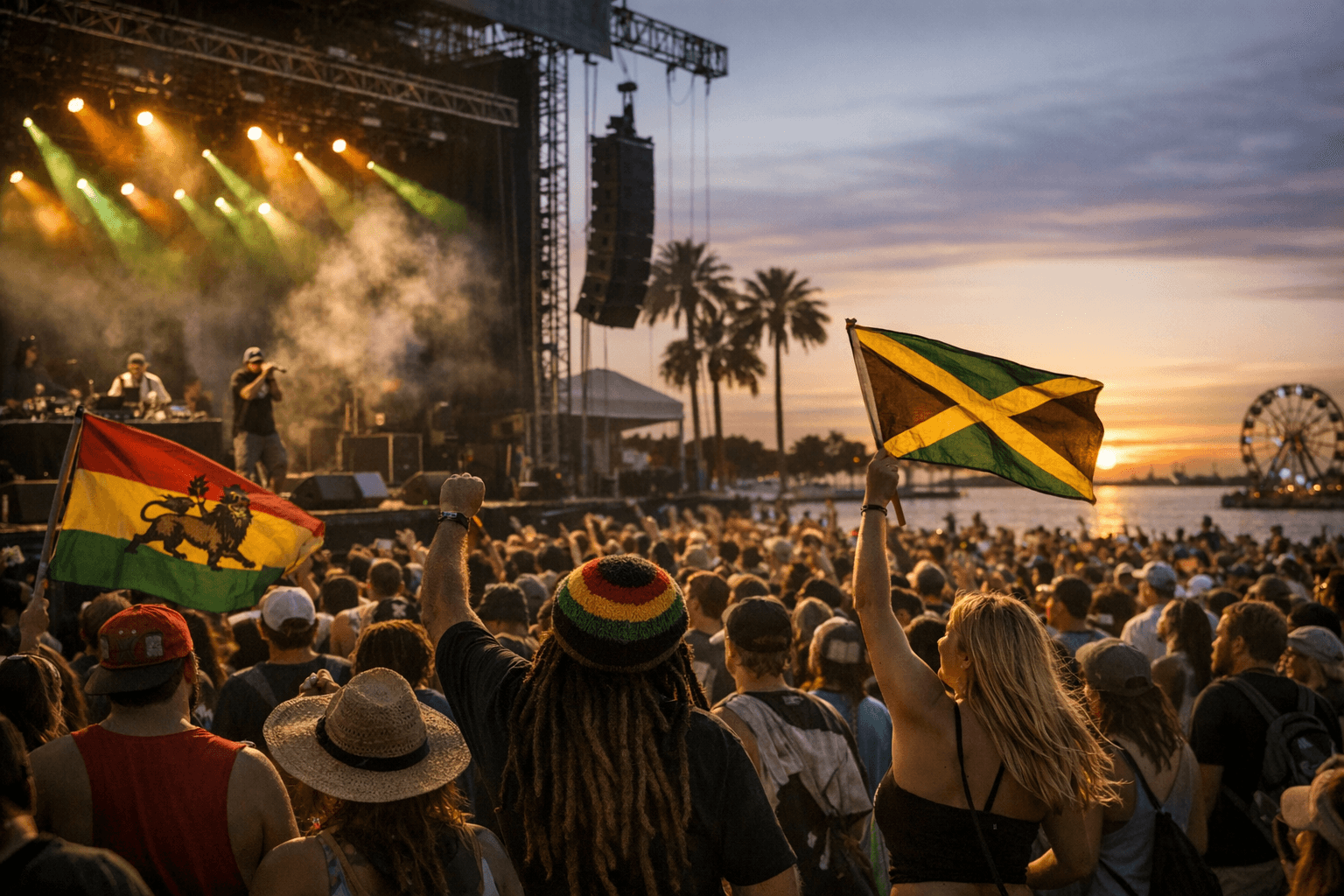
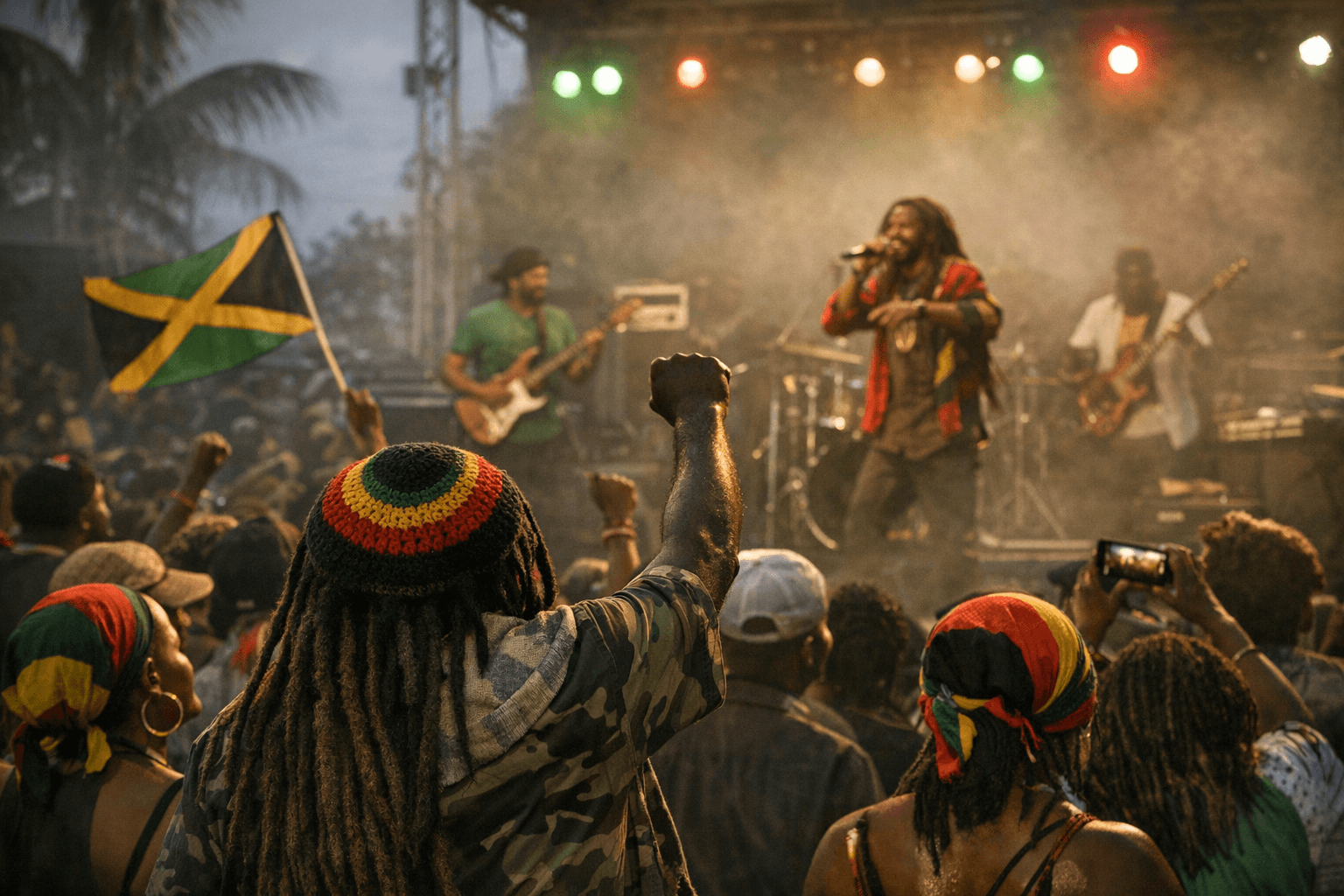
The entry pays particular attention to how reggae is transmitted. Teaching begins in early childhood and continues through community mentorship and into tertiary-level instruction. Community-based apprenticeships, informal mentorships and structured educational programs together form the pipeline that keeps lyrical traditions, instrumentation and performance techniques alive. Festivals and concerts play a dual role: they are both sites of public performance and practical classrooms where younger artists learn stagecraft, sound management and audience communication.
Major events named in the entry include Reggae Sumfest and Reggae Salute, which serve as focal points for apprenticeship and cultural exchange. These festivals provide emerging performers with exposure to audiences and veteran practitioners, creating hands-on opportunities that cannot be replicated in isolation. Local concerts and community shows provide similar, smaller-scale platforms where apprentices refine material and learn the logistics of touring and promotion.
For musicians, educators and community organizers, the significance is practical. Preserve rehearsal spaces, support mentorship programs and integrate reggae modules into community music classes and tertiary curricula to maintain continuity. Seek out apprenticeship opportunities at festivals and local shows to gain practical experience in performance and production. For audiences and supporters, attending concerts and donating to educational initiatives sustains the venues and programs that nurture new talent.
Culturally, reggae continues to feed public conversations about injustice, resistance, love and humanity, a role reinforced by its inclusion on the Representative List. That recognition both affirms reggae’s global influence and underlines the responsibility of communities to protect its modes of transmission. Strengthening links between schools, community centers, festivals and elder musicians will keep the music responsive, relevant and rooted in the lived experiences that gave it power.
Know something we missed? Have a correction or additional information?
Submit a Tip