Union County Museum preserves heritage and strengthens community learning
The Union County Museum in Union preserves local history across multiple exhibit buildings. Its collections and research services support family-history research and school programs.
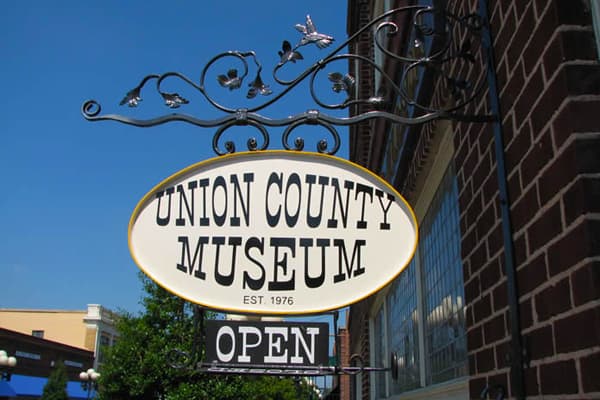
The Union County Museum in the town of Union preserves and interprets the county’s history across multiple exhibit buildings in Union's National Historic District, serving as a local hub for education, genealogy and community connection. Its collections span agricultural implements, blacksmith and carpenter displays, exhibits on Chinese history in the county, extensive photographic archives and other items that illustrate settlement, ranching and community life.
For residents, the museum is more than artifacts on display. It is a frequently used resource for family-history research and for school and community education programs that connect younger generations to local stories. Those services can have practical health and social benefits: family-history records help people understand inherited health risks, while intergenerational programming supports mental health and social cohesion in a largely rural county where isolation can be a public health concern.
The museum typically operates on a seasonal schedule, open Mother’s Day through September; residents should check the museum website or call for current hours and for group and off-hour tour arrangements. The museum also plays a role in cultural recognition by preserving and interpreting the history of Chinese residents and other groups whose contributions shaped Union County. That representation matters to community equity, helping correct longstanding gaps in whose histories are visible in public memory.
Sustaining and expanding the museum’s reach raises policy and funding questions relevant to local officials and public health planners. Small museums in rural counties often rely on limited staff and volunteers, seasonal funding and intermittent visitation. Investment in year-round staffing, accessibility improvements and targeted outreach could increase access for older adults, students and low-income families who face transportation and mobility barriers. Partnerships between cultural institutions and public health agencies could leverage the museum’s trust and space for health education, screenings or vaccination clinics tailored to Union County residents.
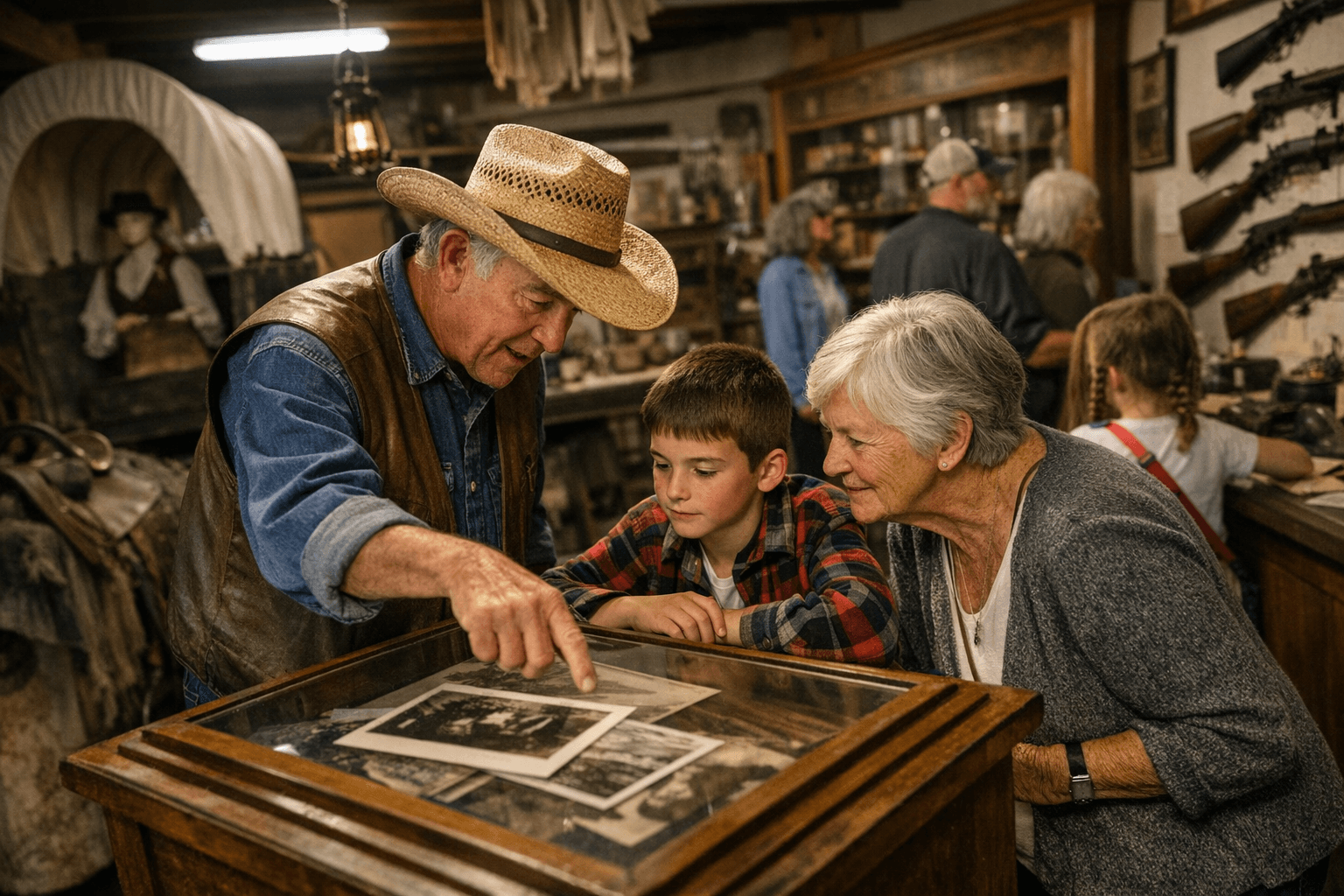
For schools, the museum offers tangible curriculum support: hands-on exhibits on agriculture and trades mirror the county’s living history and can enrich science and social studies lessons. For anyone researching family roots, the photographic archives and community records stored at the museum remain a primary starting point.
Residents who want to visit, conduct research or arrange group tours can find more information at uc museum oregon dot com. As community leaders weigh budgets and programming, the museum’s role in preserving diverse histories and supporting local wellbeing should factor into decisions about cultural funding, educational partnerships and rural health outreach.
Sources:
Know something we missed? Have a correction or additional information?
Submit a Tip