United CEO confirms merger outreach to American, deal remains unlikely
United Airlines’ Scott Kirby said he approached American about a merger, but American shut it down as Washington weighs the antitrust fallout.
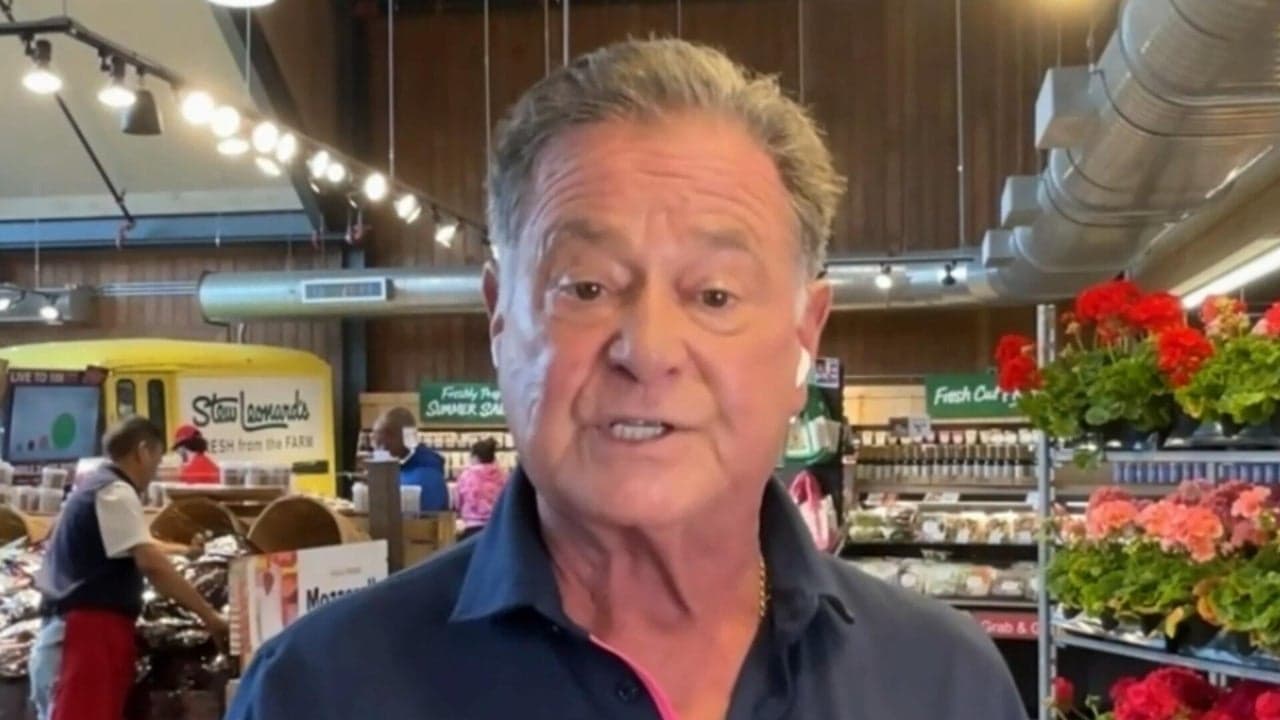
A United-American merger would reshape fares, routes and loyalty programs in some of the country’s most crowded air markets, but the immediate reality is starker: American Airlines said no. United Airlines CEO Scott Kirby confirmed that he approached American about exploring a combination because he believed the two carriers could “do something incredible for customers together,” yet he also acknowledged that without a willing partner, “something this big simply cannot get done.”
American responded with a blunt rejection. The airline said it was not engaged with or interested in any merger discussions with United, and it warned that a combination would be negative for competition and consumers. That stance puts the proposal squarely against the backdrop of a U.S. aviation market that has already been pared down by years of consolidation and now faces harder scrutiny from Washington on any further shrinking of competition.
The stakes are easy to measure. Reuters reported that analysts estimated a combined United-American airline could control more than 50% of domestic capacity at 159 airports, a level that would give the carrier enormous leverage over pricing, scheduling and loyalty incentives. Reuters also reported that American shares rose about 7% when the merger speculation first surfaced, underscoring how closely investors are watching the possibility of industry reshaping even when the odds are long.
Kirby’s push was not limited to private conversations between airline executives. Reuters reported that he also floated the idea to President Donald Trump during a White House meeting in late February 2026. Trump later publicly opposed the concept, joining a growing list of critics that included Senators Elizabeth Warren and Mike Lee, who pressed both airlines for answers and warned about higher fares and reduced competition. The political resistance matters because a transaction of this scale would invite review not just from antitrust lawyers but from lawmakers sensitive to consumer backlash.
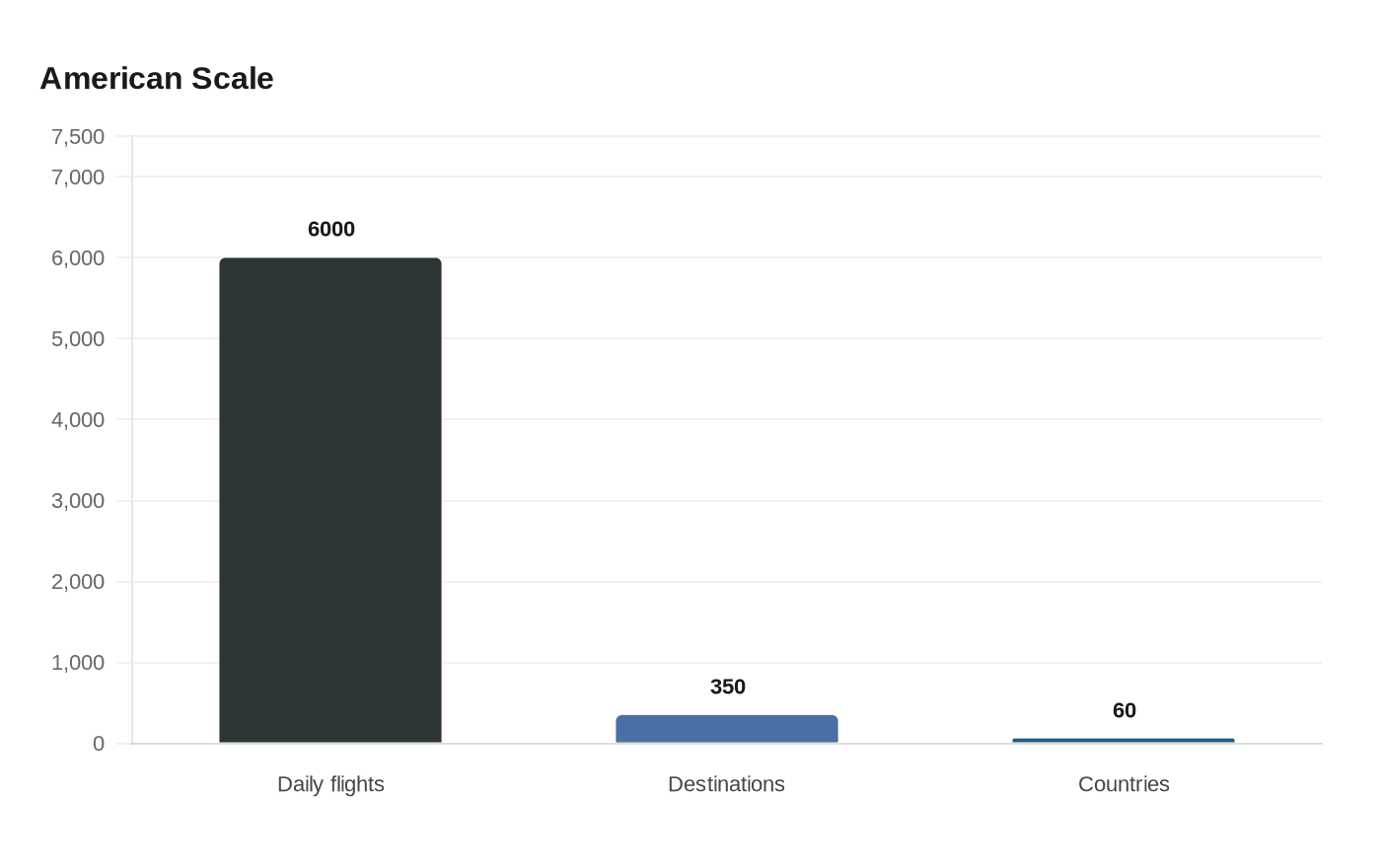
The debate lands in a familiar industry pattern. The U.S. Department of Transportation says it has analyzed major airline mergers including United and Continental, Delta and Northwest, and American and TWA, deals that helped create the four dominant network carriers now shaping U.S. aviation. American said in its first-quarter 2026 results that it operates more than 6,000 daily flights to more than 350 destinations in more than 60 countries, a scale that shows why the airline sees itself as able to compete without surrendering control.
Kirby’s outreach looks less like a live deal than a strategic signal. It suggests airline leaders are still testing whether another wave of consolidation could produce stronger networks and greater global reach, but American’s rejection shows how quickly those ambitions collide with antitrust risk, political opposition and the reality that a merger of this size cannot move forward unless both sides want the same outcome.
This article was produced by Prism’s automated news system from verified source data, official records, and press releases, then run through automated quality and moderation checks before publishing. The system is built and supervised by the people who set the standards it runs under. Read our full AI policy.
Did this article answer your question?