Trump Rushes New Tariff Strategy as Temporary Import Taxes Near Expiration
Trump’s tariff plan shifted to Section 301 after the Supreme Court struck down his preferred levy. The temporary 10% import tax still expires July 24, keeping businesses on edge.
The Trump administration moved quickly to preserve its trade agenda after the Supreme Court ruled on Feb. 20, 2026, that IEEPA did not authorize tariffs. With the court knocking out the president’s preferred mechanism, the White House fell back on a 10% Section 122 surcharge on nearly all imports, a stopgap that took effect on Feb. 24 and expires July 24 unless Congress extends it.
Now the administration is trying to build something sturdier. It has turned to Section 301 of the Trade Act of 1974, the same authority that lets the U.S. Trade Representative impose tariffs or sanctions on countries deemed to be acting in an unjustifiable, unreasonable or discriminatory way. Officials have launched two broad rounds of investigations, one aimed at forced labor and another at industrial overcapacity, in what amounts to a constitutional and statutory end run around the court setback.
The first front is sweeping. On March 12, USTR opened 60 Section 301 investigations into whether foreign governments failed to stop imports made with forced labor. The cases cover economies from Nigeria to Norway and are framed as reaching roughly 99% of U.S. imports. USTR set public hearings for April 28, with comments due April 15, and said the hearing schedule would include 12 panels and about 60 witnesses from advocacy groups, human rights organizations, U.S. industry and foreign governments.
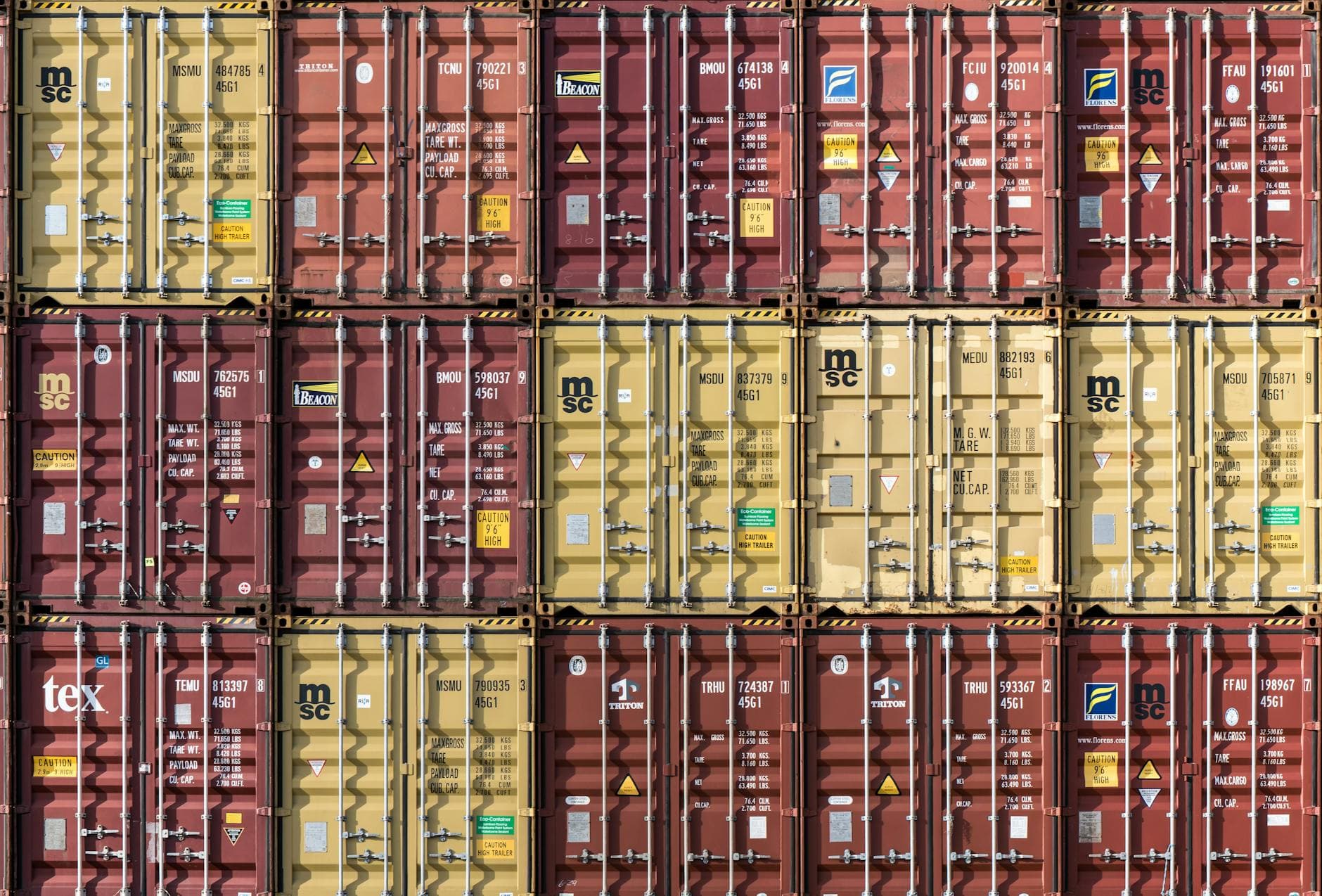
The second front is narrower but still large. On March 11, USTR opened a separate Section 301 probe into structural excess capacity in manufacturing across 16 economies, including China, the European Union, Japan and Vietnam. Together, those economies account for about 70% of U.S. imports. The administration says the goal is to challenge production surpluses that drive down prices and hurt American manufacturers, while giving tariffs a more durable legal foundation than the broad emergency powers the Supreme Court rejected.
The legal fight is not over. On April 10, the Court of International Trade heard arguments over the Section 122 duties, and judges questioned whether a 1974 law written for balance-of-payments emergencies can sustain a modern global tariff regime. One judge said, “We’re not quite sure how to translate 1974 into 2026.”
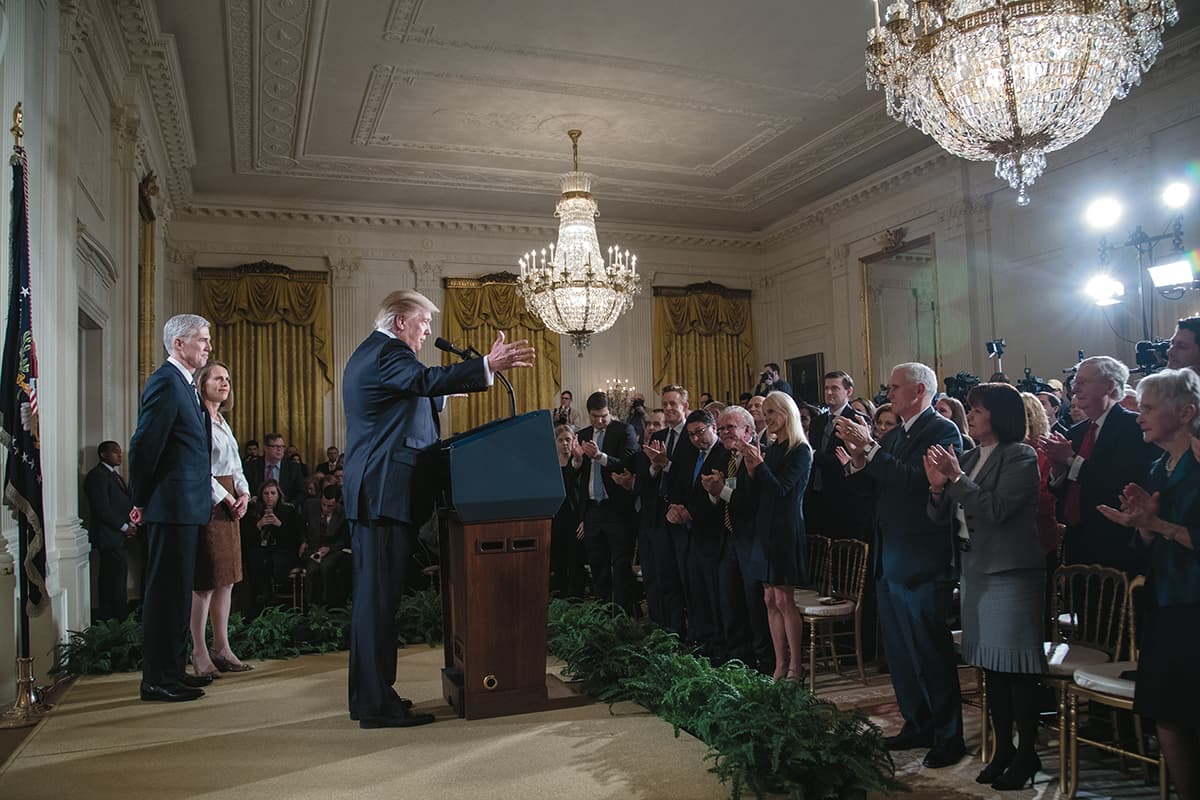
The economic stakes are immediate. Import taxes are usually paid by importers and passed through to consumers, adding pressure to already elevated prices. The Tax Foundation has estimated that the 2026 tariffs now in place would raise taxes by about $600 per U.S. household. Still, the White House says Section 232, Section 301 and Section 122 together should produce “virtually unchanged tariff revenue” in 2026, underscoring how central tariffs have become to Trump’s economic program, and how much of it now depends on courts, deadlines and fresh legal theories.
This article was produced by Prism’s automated news system from verified source data, official records, and press releases, then run through automated quality and moderation checks before publishing. The system is built and supervised by the people who set the standards it runs under. Read our full AI policy.
Did this article answer your question?

