UPS Profit Falls as It Cuts Amazon Deliveries, Shifts to Higher-Margin Business
UPS took a near-term hit as it cut Amazon volume, but the move signals a sharper push toward higher-margin shipments and a less volume-first logistics model.
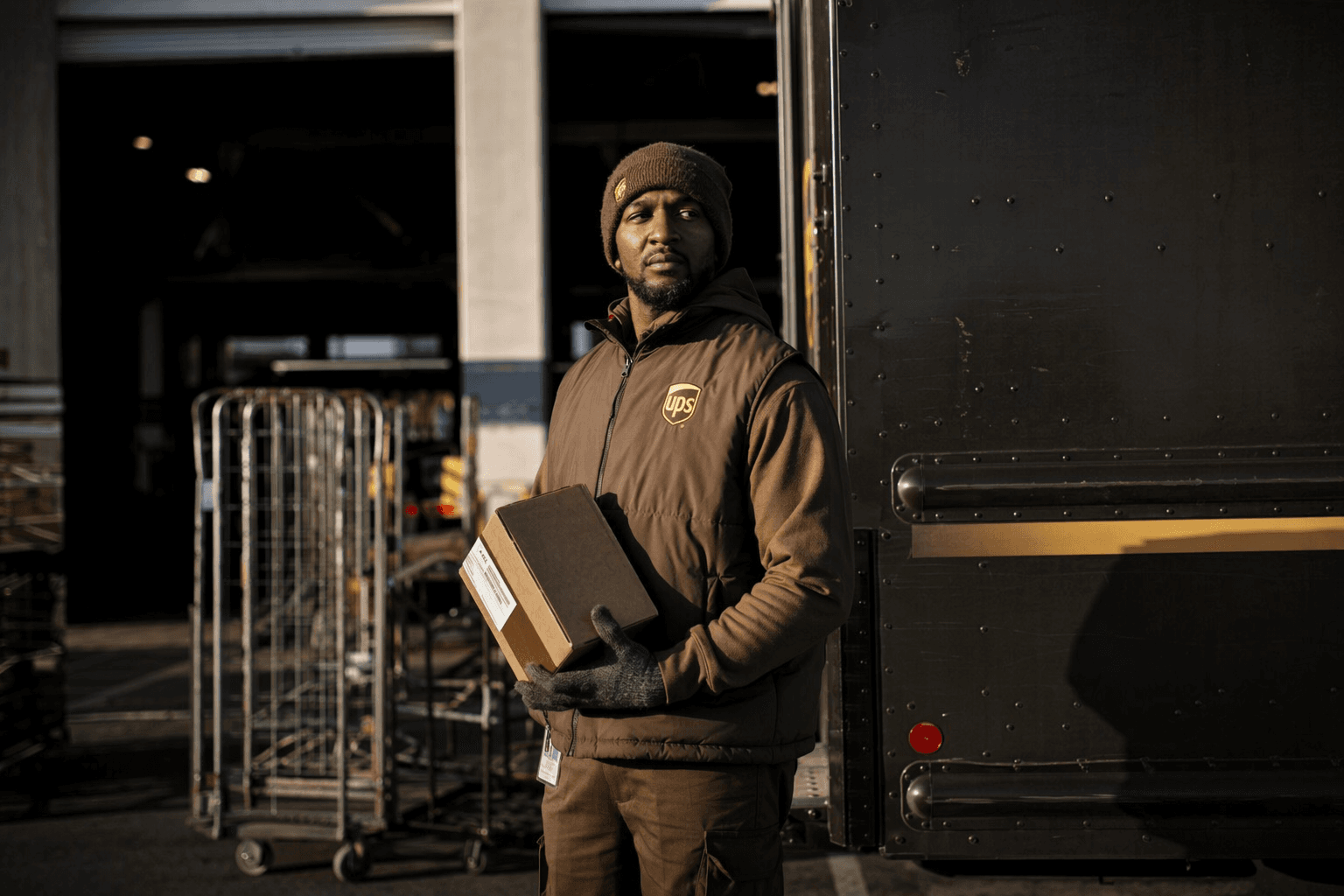
United Parcel Service is choosing margin over sheer parcel count, and the first-quarter numbers show the cost of that shift. The company said consolidated revenue was $21.2 billion, operating profit was $1.27 billion and adjusted diluted earnings per share came in at $1.07, while GAAP results included $42 million in after-tax transformation charges. Adjusted operating margin was 6.2%, and the stock fell in premarket trading as investors absorbed the weaker near-term results.
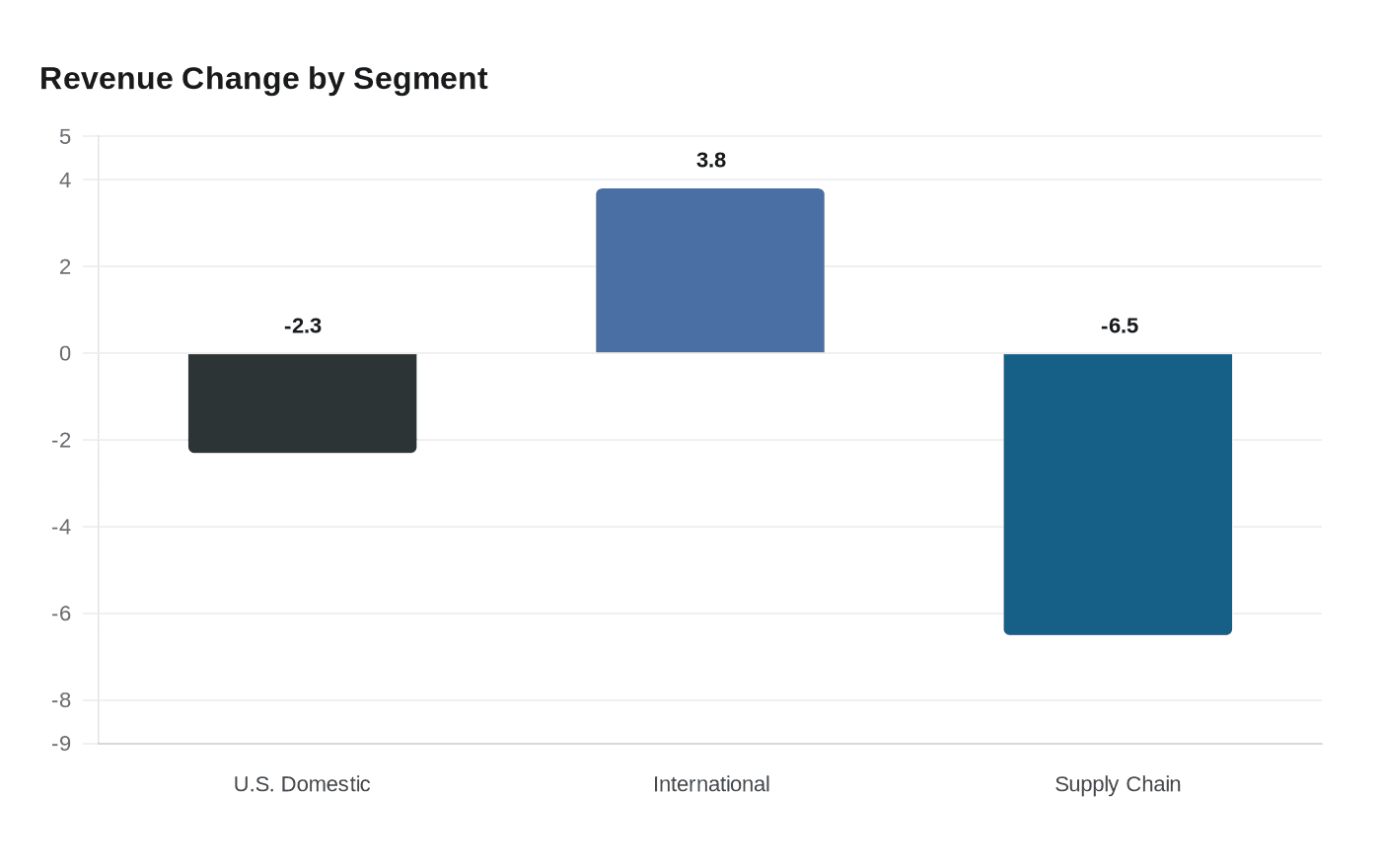
The pressure came in part from UPS’s deliberate pullback from Amazon deliveries. Management has been cutting exposure to lower-margin doorstep packages and steering capacity toward healthcare, data-center and other time-sensitive shipments that carry better economics. That strategy has already reshaped the business: the U.S. Domestic segment’s revenue fell 2.3% from a year earlier, even as revenue per piece rose 6.5%, a sign that UPS is trying to lift pricing and mix rather than chase every package. International revenue rose 3.8%, with revenue per piece up 10.7%, while Supply Chain Solutions revenue fell 6.5% on lower Mail Innovations volume.
Carol Tomé called the quarter a “critical transition period” and said UPS expected consolidated revenue and operating profit growth, along with adjusted margin expansion, in the second quarter. The company reaffirmed its full-year 2026 outlook for about $89.7 billion in revenue and an adjusted operating margin of about 9.6%, after posting 2025 revenue of $88.7 billion. That guidance suggests UPS believes the network can absorb lower Amazon volume and eventually earn more from the freight it keeps.
The turnaround is coming with sizable restructuring costs. In January, UPS said it would eliminate an additional 30,000 operational jobs, following 48,000 cuts in 2025, as it closes facilities, automates more of its network and keeps reducing its dependence on Amazon. Earlier plans called for Amazon volumes to fall by more than half by the second half of 2026, underscoring how far UPS is moving away from a customer that delivered scale but relatively little profit.
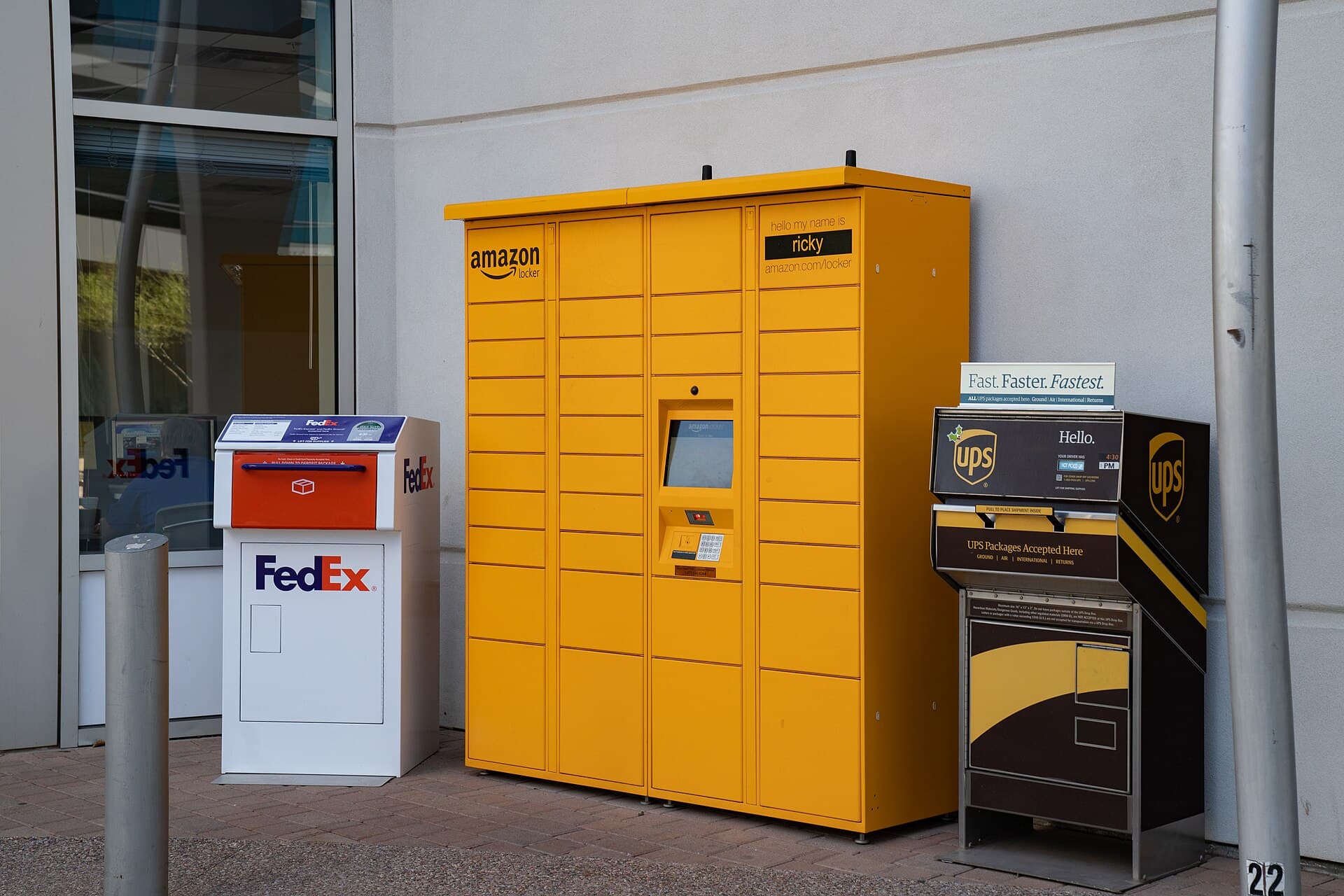
The broader backdrop is also changing. The end of duty-free de minimis treatment for low-value e-commerce shipments tied to China-linked sellers such as Shein and Temu is hitting a parcel channel that once looked like a growth engine. For UPS, that means less easy volume from cross-border discount retail and more pressure to build around business-to-business freight, healthcare logistics and other specialized lanes.
Analysts focused on the weaker U.S. Domestic margin, which at 4.0% landed at the low end of expectations. The message from Atlanta is clear: in e-commerce shipping, scale alone is no longer enough, and UPS is willing to sacrifice volume now if it can buy a better-margin network later.
This article was produced by Prism’s automated news system from verified source data, official records, and press releases, then run through automated quality and moderation checks before publishing. The system is built and supervised by the people who set the standards it runs under. Read our full AI policy.
Did this article answer your question?

