United States Restricts Visas for Two Honduran Election Officials
The State Department announced on Dec. 20 that it revoked the U.S. visa of Mario Morazán and denied a visa application from Marlon Ochoa, saying their actions interfered with a special vote count in Honduras. The move signals heightened U.S. scrutiny of the electoral process in Tegucigalpa and raises the prospect of further diplomatic measures that could deepen tensions with the ruling LIBRE party.
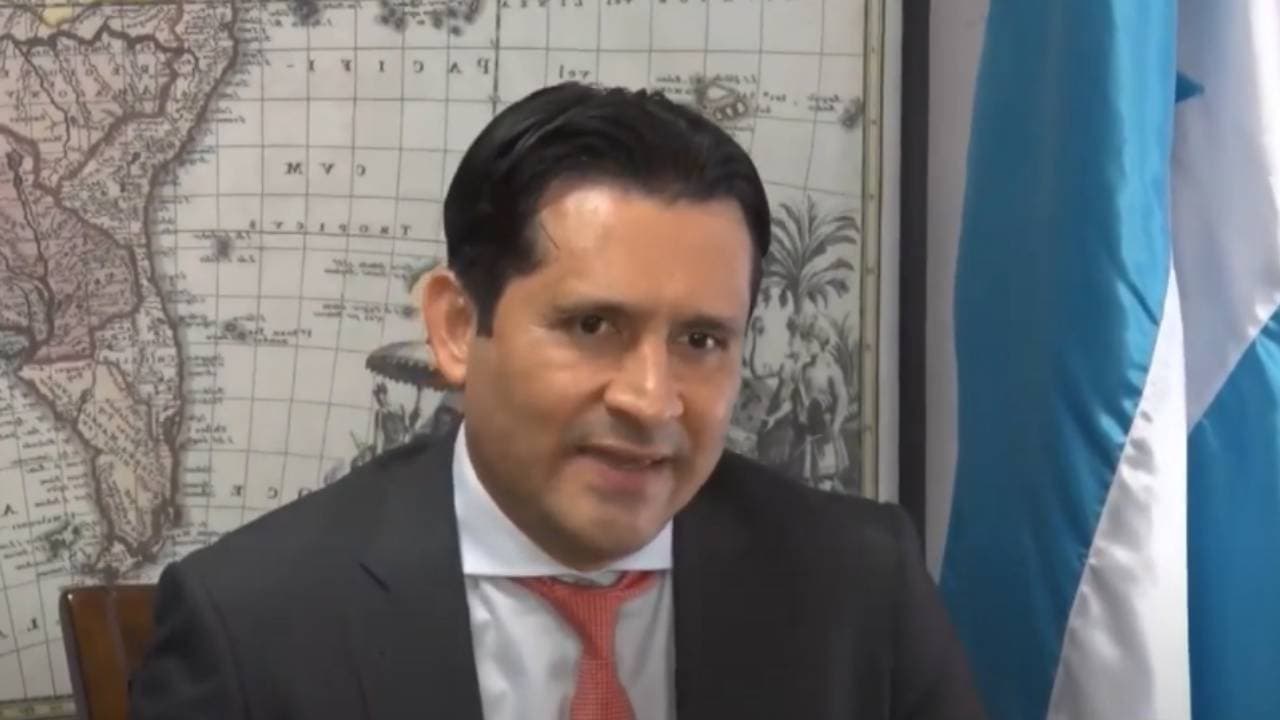
On Dec. 20, the U.S. Department of State announced visa restrictions against two Honduran election officials, revoking the visa of Mario Morazán, a magistrate on Honduras's Electoral Justice Tribunal, and denying a visa application from Marlon Ochoa, a member of the National Electoral Council. The Department framed the action as a response to interference in a special vote count and said it would consider additional steps.
The State Department statement said in part, “The United States will not tolerate actions that undermine our national security and our region’s stability.” It added, “We will consider all appropriate measures to deter those impeding the vote count in Honduras.” The announcement marked one of the more direct interventions by the U.S. government in the sensitive post election period and reflects the Trump administration's tougher posture toward perceived threats to electoral integrity in the region.
Both officials are identified with the Liberty and Refoundation party, commonly known as LIBRE. The ruling party’s presidential candidate, Rixi Moncada, was reported as finishing a distant third with roughly 19.12 percent of the vote and had not recognized the results as the special count proceeded. Honduran electoral authorities have been under intense domestic scrutiny while international observers and foreign governments watched for signs of manipulation or obstruction.
Following the State Department announcement, Marlon Ochoa addressed the media in Tegucigalpa. The administration did not supply detailed allegations in the public statement about the specific acts that constituted interference, leaving a gap that will likely prompt further inquiry by both U.S. and Honduran reporters and officials. The Department also indicated that further measures could follow, a signal that Washington reserves the right to broaden its response depending on developments in the counting process.
Visa restrictions are a diplomatic instrument Washington has used to penalize foreign actors when it deems democratic processes endangered, and the current action demonstrates continued reliance on that tool to influence electoral conduct abroad. For Honduras, the decision risks inflaming already fraught domestic politics, complicating relations with a key security partner, and creating a new layer of international pressure on institutions responsible for adjudicating contested votes.
Analysts and diplomats in the region will be watching whether the State Department moves beyond travel restrictions to other measures, how Honduran institutions will respond to the allegation of interference, and whether LIBRE or government authorities will provide documented responses addressing the U.S. claims. The immediate repercussions are likely to be political and reputational, and the dispute over the special vote count appears to be an open question that will determine whether U.S. measures increase or are resolved through diplomatic channels.
This article was produced by Prism’s automated news system from verified source data, official records, and press releases, then run through automated quality and moderation checks before publishing. The system is built and supervised by the people who set the standards it runs under. Read our full AI policy.
Did this article answer your question?

