Universal Health Services Acquires Talkspace for $835 Million to Build Virtual Behavioral Health Empire
UHS is buying Talkspace at $5.25 per share, merging 340+ inpatient facilities with a national teletherapy platform to reshape mental healthcare access.
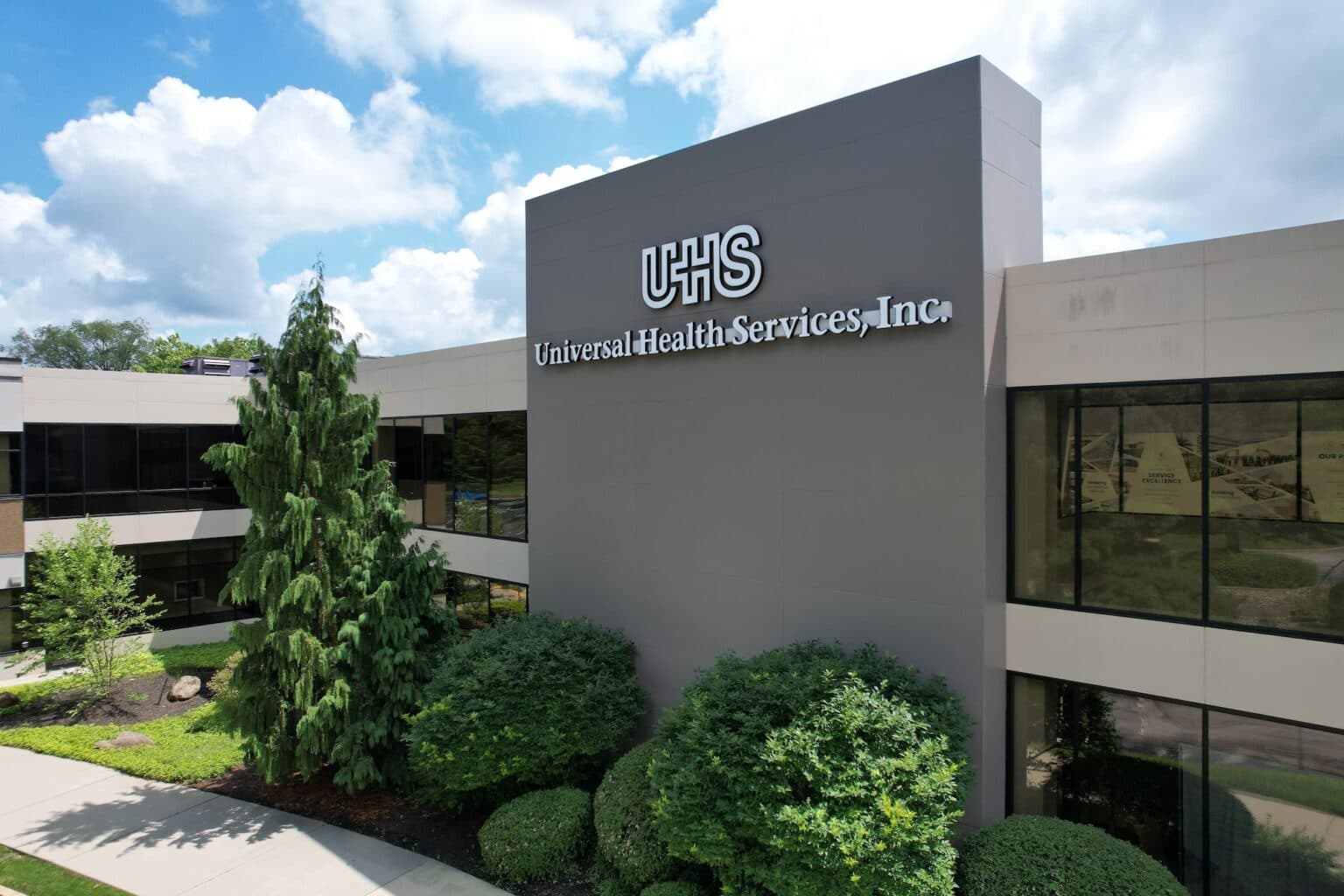
Universal Health Services announced Monday it will acquire virtual mental health platform Talkspace for approximately $835 million, paying $5.25 per share in a deal that combines one of the country's largest inpatient behavioral health operators with a scaled telehealth network serving millions of patients nationwide.
The offer represents roughly a 10 percent premium over Talkspace's Friday closing price of $4.78, a modest return that nonetheless validates a years-long turnaround at the company. Both boards unanimously approved the transaction, which UHS expects to close in the third quarter of 2026, financed through borrowings under its existing revolving credit facility.
For UHS, which operates more than 340 inpatient behavioral health facilities across 40 states and reported $17.4 billion in revenue in 2025, the acquisition fills a critical gap: outpatient and virtual care. The company has long dominated the inpatient side of behavioral health but lacked a significant telehealth presence as commercial insurers and employers increasingly direct patients toward lower-cost virtual options.
"Talkspace's patient-centric, clinically driven virtual platform perfectly complements the high-quality services delivered at our facilities, enabling us to expand access and offer more flexible, stepped solutions to address the growing demand for behavioral healthcare," said Marc D. Miller, UHS president and chief executive.
UHS said the deal, excluding one-time acquisition costs, is expected to be slightly accretive to adjusted earnings per diluted share in the first twelve months after closing and increasingly accretive thereafter.
Talkspace has undergone a significant transformation since its founding in 2012 by Israeli entrepreneurs Oren Frank and Roni Frank. The company went public via SPAC in 2021 at a $1.4 billion valuation, but like many pandemic-era digital health companies, struggled to sustain that premium in public markets. The $835 million sale price reflects that compressed valuation, though Talkspace has rebuilt itself into a profitable business anchored by insurance and employer contracts rather than direct consumer subscriptions.

"Over the past several years, Talkspace has transformed from a direct-to-consumer pioneer into a scaled, insurance-covered behavioral healthcare platform trusted by patients, providers, payors and employers," said Talkspace chief executive Jon R. Cohen. "This transaction reflects the next logical step in expanding access to affordable, high-quality mental healthcare by integrating outpatient virtual care into a modern behavioral health ecosystem."
Talkspace's 2025 financial results reflect that evolution, though sources reported slightly different figures. STAT and Calcalistech reported 2025 revenue of $228 million and $230 million respectively, while FierceHealthcare cited $229 million; Calcalistech reported approximately 22 percent year-over-year growth and a cash balance of about $90 million. Net income figures also varied, with STAT and Calcalistech reporting $7.8 million and FierceHealthcare reporting $4.8 million. Talkspace's official 2025 annual filing will provide audited figures.
Beyond the core teletherapy business, Talkspace has been expanding into pharmaceutical partnerships, including a collaboration with Novo Nordisk to provide behavioral health support to patients taking weight-loss medications. That capability could represent a meaningful revenue diversification opportunity under UHS ownership.
UHS Chief Financial Officer Steve Filton said at an investor conference Monday that the acquisition would accelerate the company's push into outpatient services, a segment that has grown in strategic importance as payers push for care delivered at lower cost settings.
Venture capital firm Qumra Capital, an early 2017 investor in Talkspace, retains approximately 5 percent of shares and stands as the primary institutional beneficiary of the sale. The firm recouped much of its original investment through the 2021 SPAC listing before Monday's announcement.
This article was produced by Prism’s automated news system from verified source data, official records, and press releases, then run through automated quality and moderation checks before publishing. The system is built and supervised by the people who set the standards it runs under. Read our full AI policy.
Did this article answer your question?


