U.S. and Iran near deal on Hormuz, sanctions, nuclear limits
U.S.-Iran talks were nearing a text as Tehran’s wartime leadership showed less fear of sanctions and isolation. The deal would reopen Hormuz and curb nuclear and missile activity.

Washington may be negotiating with an Iran that believes it has already endured the worst pressure the United States and Israel can deliver. U.S. and Iranian negotiators were close to an agreement, with a senior U.S. official saying both sides had settled on a text and that Washington expected to sign an initial deal within days, in talks being mediated by Pakistan.
The stakes are larger than a narrow ceasefire. The emerging framework would reopen the Strait of Hormuz, ease sanctions, and address Iran’s nuclear and ballistic-missile programs after a war that redrew the regional map. The fighting began on February 28, 2026, when Israel and the United States launched strikes on Iran, a campaign aimed at Iran’s nuclear and missile infrastructure and at regime change. Iran answered with counterstrikes against Israel, U.S. bases in the region, and military and civilian targets in Arab states, then closed the Strait of Hormuz, a critical route for oil, gas and other supplies.
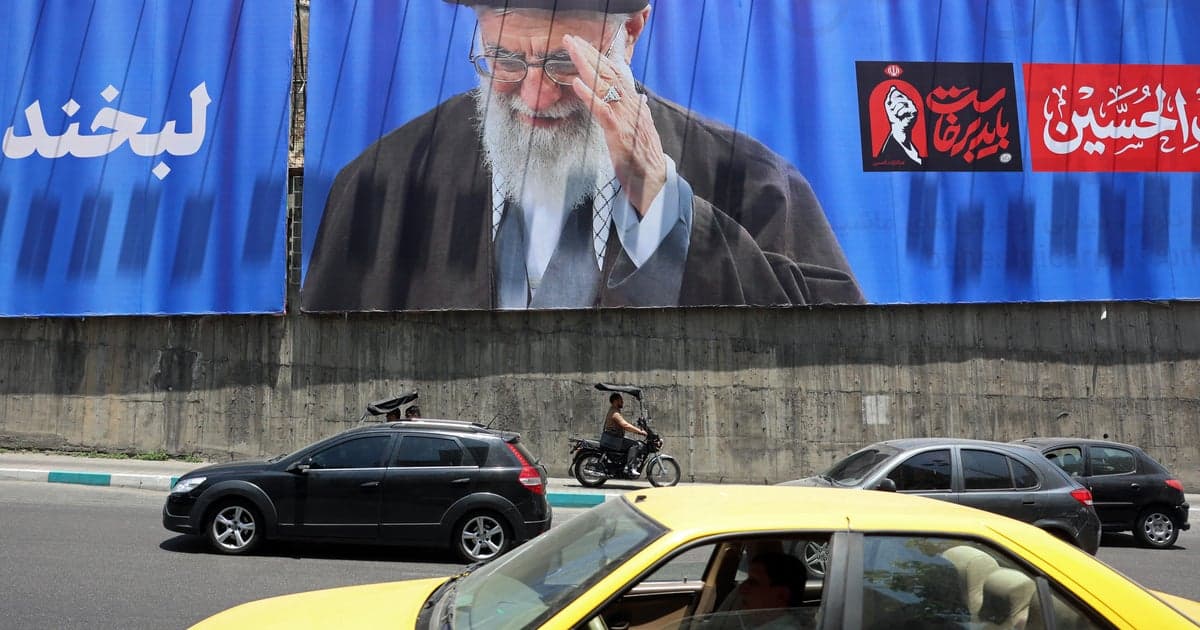
That war did not produce a collapse in Tehran. Instead, it accelerated a quieter succession that elevated a new leadership order shaped by the Islamic Revolutionary Guard Corps, with Mojtaba Khamenei, Mohammad Bagher Ghalibaf and Ahmad Vahidi among the most visible figures. The new rulers are harder to pressure not because they are more reckless in the abstract, but because they are battle-tested, more confident in their domestic grip, and convinced they have already absorbed the blow Washington and Israel were able to land.
That shift helps explain why the old playbook may be losing force. President Donald Trump set deal deadlines for March 21, March 23 and April 7, but the ceasefire was only arranged later, after the fighting had already hardened Iranian politics. The comparison with earlier rounds of diplomacy is stark: sanctions and isolation mattered more when Tehran still believed escalation could bring catastrophic collapse. After surviving strikes, a blockade on Hormuz and a wartime transfer of power, Iranian leaders may see a negotiated pause as a way to lock in gains, not as a surrender.

For global markets, the outcome is immediate. Hormuz remains one of the world’s most important chokepoints for oil and gas, and any durable agreement would lower the risk premium that has hung over energy prices, shipping and regional investment. If the deal sticks, it could mark the end of one war and the start of a more durable realignment. If it fails, both sides will have only bought time.
This article was produced by Prism’s automated news system from verified source data, official records, and press releases, then run through automated quality and moderation checks before publishing. The system is built and supervised by the people who set the standards it runs under. Read our full AI policy.
Did this article answer your question?