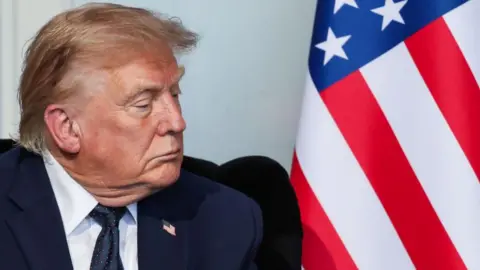
U.S. and Iran near deal to end war, reopen Strait of Hormuz
Washington and Tehran moved toward a ceasefire that would reopen the Strait of Hormuz, but the nuclear fight was only deferred, not resolved.

The United States and Iran edged toward a deal that would pause their war, reopen the Strait of Hormuz and lift the U.S. naval blockade on Iranian ports, but the hardest question was still waiting behind it: whether any agreement can survive after open conflict. A senior U.S. administration official said both sides had agreed on text and expected to sign an initial deal in the coming days, while another official put the odds of a near-term deal at 80 to 85 percent.
The proposed framework would extend a 60-day ceasefire, let Iran resume oil sales and push nuclear talks into a later phase. Abbas Araqchi, Iran’s foreign minister, said changes were still possible and argued that Iran had emerged stronger from the conflict. The American side said the draft met President Donald Trump’s core objectives, even as the nuclear details were described as a longer and more difficult negotiation.
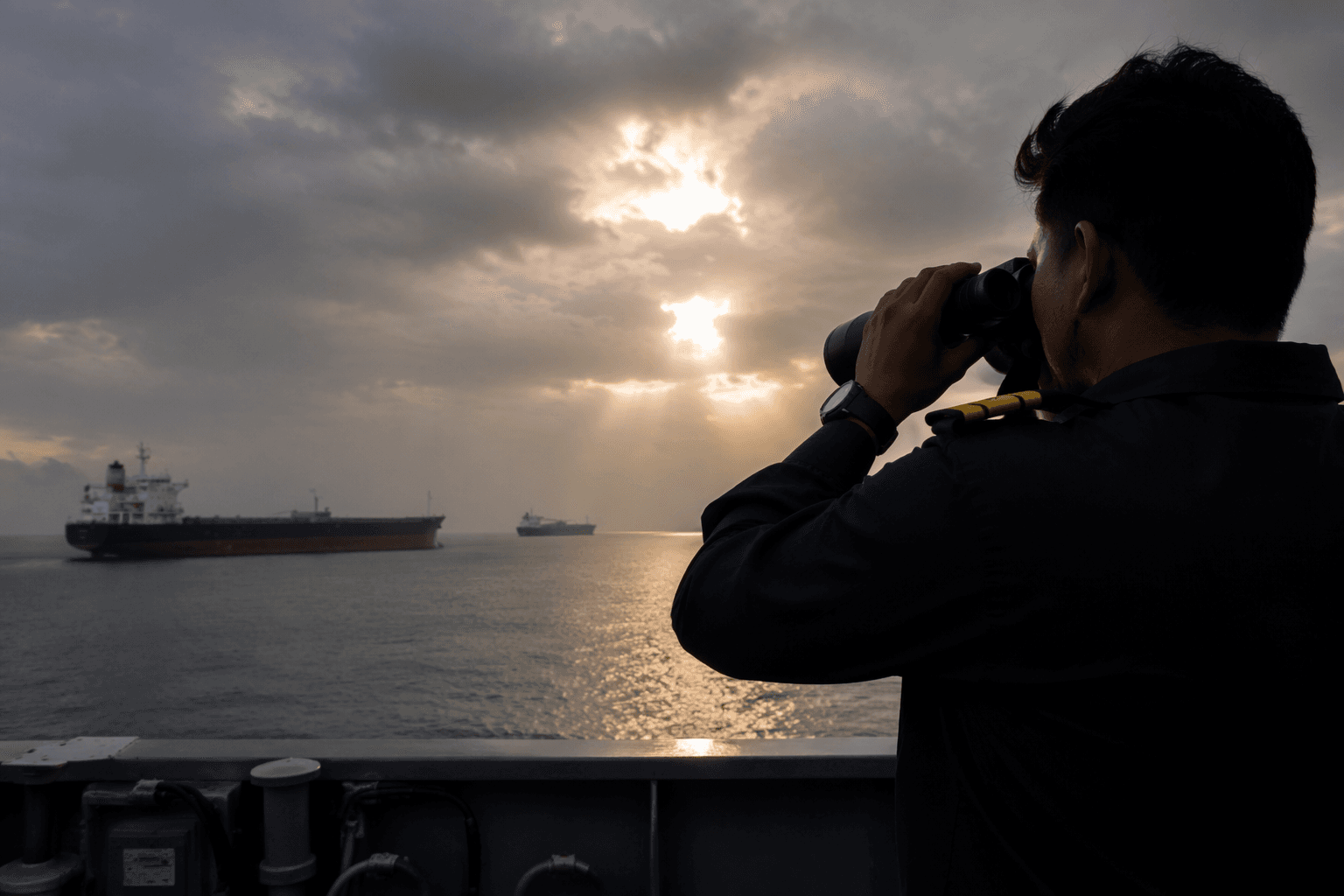
The Strait of Hormuz remains the center of the bargain because it is one of the world’s most important oil routes, and any reopening would carry immediate consequences for energy markets, regional shipping and Gulf security. Under the terms described in the briefing, Iran would clear mines it had deployed in the strait, the United States would issue some sanctions waivers, and nuclear-program negotiations would follow only after the ceasefire took hold. One Iranian source later denied that Tehran had agreed to hand over its enriched uranium stockpile, underscoring how much of the deal remained unsettled.
The diplomacy also reflected the political cost of the war itself. Leaders in Pakistan and Qatar welcomed the move, and Qatari negotiators spent 17 hours helping finalize the package. Pakistan’s Prime Minister Shehbaz Sharif said a signing ceremony was expected in Switzerland on June 19, 2026. Iran’s deputy foreign minister said a broader sanctions-relief arrangement would be worked out during the 60-day truce, while Trump arrived at the G7 sounding pleased with the agreement. Yet even as the immediate shooting appeared close to ending, the larger test was still ahead: whether Washington can claim deterrence, preserve credibility and turn battlefield pressure into a durable settlement once the nuclear file comes back to the table.
This article was produced by Prism’s automated news system from verified source data, official records, and press releases, then run through automated quality and moderation checks before publishing. The system is built and supervised by the people who set the standards it runs under. Read our full AI policy.
Know something we missed? Have a correction or additional information?
Submit a Tip