U.S. and Iran sign preliminary deal, details remain unclear
A 1.5-page U.S.-Iran memorandum may emerge within 48 hours, but key terms on sanctions, nuclear limits and enforcement are still being kept from view.

The U.S. and Iran have put their names on a preliminary agreement to halt the war, but the central document has not been released, leaving the public to judge a major geopolitical shift without seeing the terms that will govern it. Senior U.S. officials said the memorandum of understanding would be made public within 24 to 48 hours, even as Vice President JD Vance described it as a "very general" document that runs about 1.5 pages and leaves the hard questions for later talks.
That gap matters because the deal is being sold as a breakthrough with immediate consequences: it is intended to extend the ceasefire, reopen the Strait of Hormuz, end the U.S. naval blockade of Iranian ports and open negotiations over Iran’s nuclear program. But the most sensitive pieces remain unsettled. Reports say sanctions relief has not been resolved, the timing and scope of implementation are still disputed and the question of when, or whether, Iranian funds will be unfrozen remains contested.
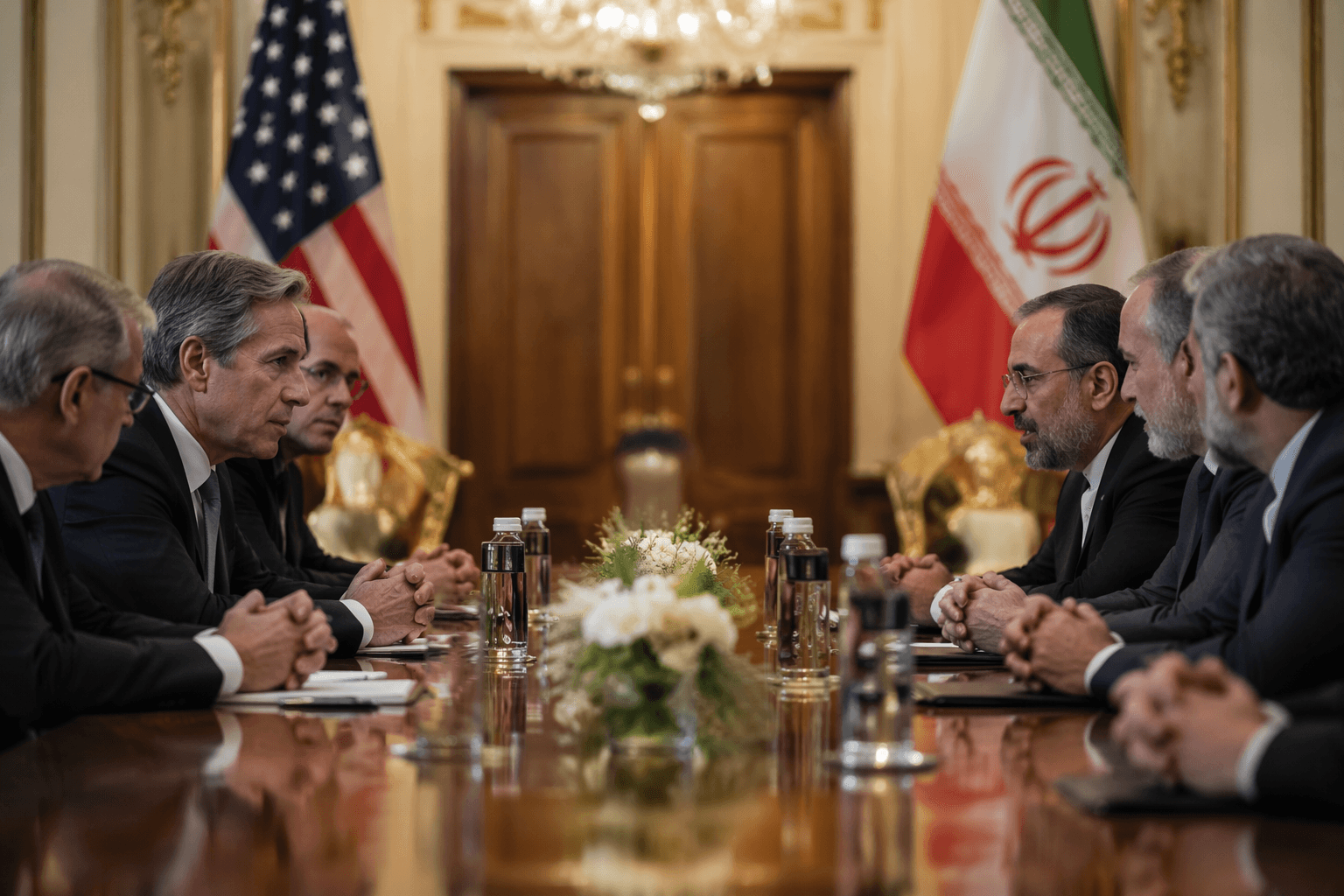
The structure itself underscores how much is still unresolved. The agreement is expected to push the most difficult items into a 60-day follow-on period, when technical teams are supposed to work through the details. That leaves enforcement, verification and sequencing wide open at the very moment the two governments are asking others to treat the deal as durable. Iranian officials and U.S. officials have given different versions of when the arrangement takes effect and what each side must do first.
The politics around the document are just as fraught. Pakistani Prime Minister Shehbaz Sharif has played a mediating role and said the wording had already been agreed. The signing ceremony is expected later in the week in Geneva. Yet CBS News reported that Israeli officials say Israel is not bound by the deal’s terms on Lebanon or Hezbollah, even though the U.S., Pakistan and Iran have all said the agreement includes a cessation of hostilities on all fronts, including in Lebanon.
The human cost of the war has already been severe, with one report putting the death toll at at least 7,000 people, mostly in Iran and Lebanon. The fighting also rattled oil markets because the Strait of Hormuz remains one of the world’s most critical shipping chokepoints. For now, the deal’s biggest test is not whether it can be announced, but whether its missing text can withstand scrutiny once the public finally sees it.
This article was produced by Prism’s automated news system from verified source data, official records, and press releases, then run through automated quality and moderation checks before publishing. The system is built and supervised by the people who set the standards it runs under. Read our full AI policy.
Know something we missed? Have a correction or additional information?
Submit a Tip