U.S. and Iran open rare talks in Switzerland, aim for 60-day deal
The Bürgenstock talks produced a 60-day roadmap, but Trump’s “major weapons inspections” demand only matters if Iran accepts verifiable access and stockpile checks.

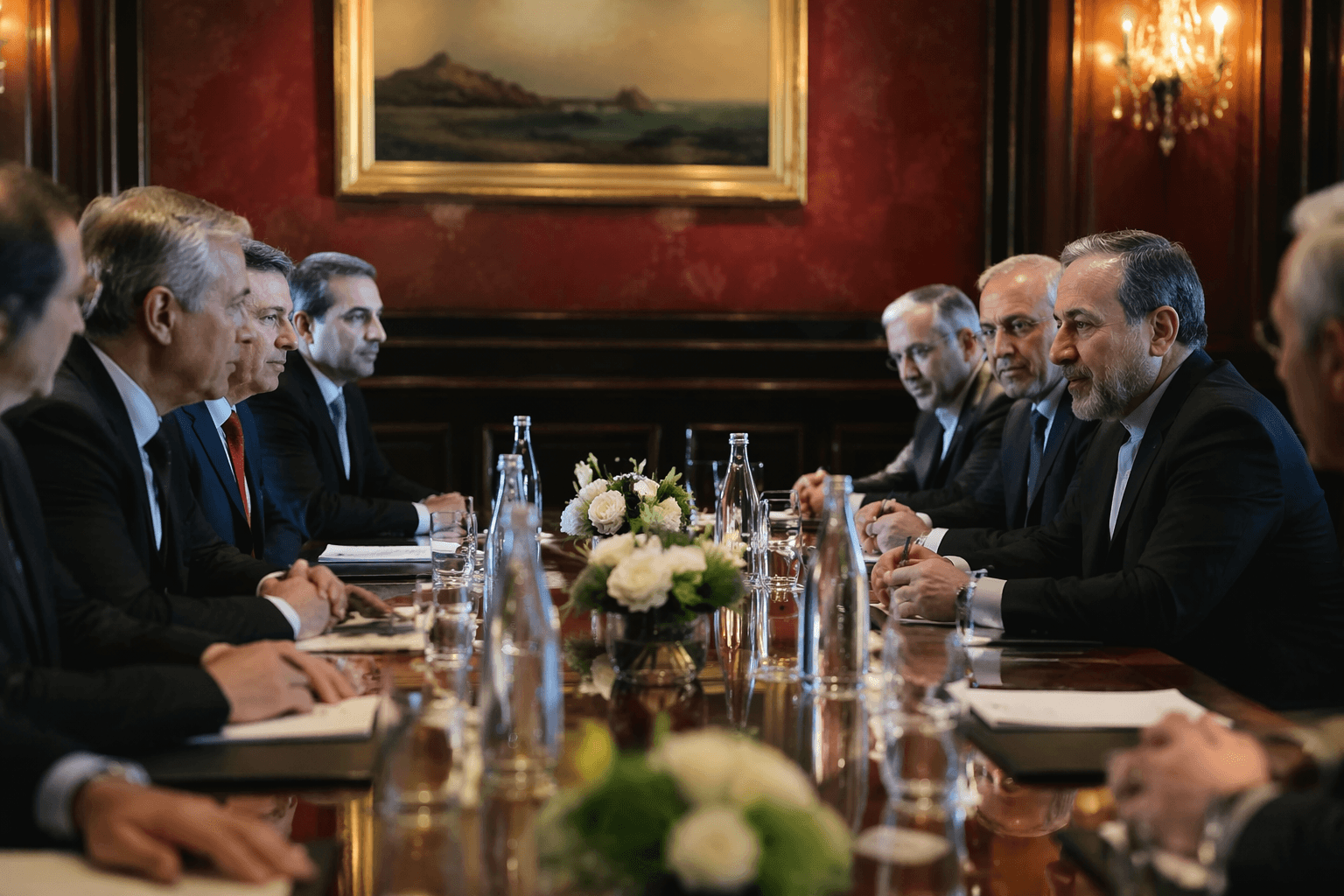
U.S. and Iranian delegations left the Bürgenstock resort with a 60-day roadmap and a promise of more technical talks, but the hard part is still the same: turning Donald Trump’s call for “major weapons inspections” into terms Iran will actually accept. The opening round in Switzerland ran about 18 hours and brought together U.S. Vice President JD Vance, Iranian officials, and mediators from Qatar and Pakistan in one of the rare direct encounters between the two sides.
The centerpiece of the diplomacy is verification. Trump framed the issue as “nuclear honesty” long into the future, while Vance said Tehran had agreed to let International Atomic Energy Agency inspectors back into the country and described the talks as laying “a good foundation for a final peace deal.” That language matters only if it becomes enforceable access, clear timelines, and a monitoring regime strong enough to track what Iran has, where it is, and whether it has moved it.
That is where the negotiations can still break down. The International Atomic Energy Agency said in a June 4 safeguards report that Iran had not given the agency access to facilities affected by the June 2025 attacks on its nuclear sites and had not fully accounted for the nuclear material there. On June 10, the IAEA Board of Governors passed a U.S.-backed resolution telling Iran to declare its remaining enriched uranium stocks and let inspectors verify them. Any deal that falls short of those requirements would leave the central dispute unresolved.
The talks are also tied to a wider bargaining table that extends beyond centrifuges and enrichment levels. The sides are weighing sanctions relief, frozen Iranian assets, Lebanon, and the Strait of Hormuz, while the United States, Britain, France and Germany continue to coordinate pressure on Tehran. Qatar and Pakistan, acting as mediators, said the parties made encouraging progress, but the next phase will test whether that progress holds once the discussion shifts from political signals to the mechanics of inspections.
For Tehran, the sticking point is likely to be the scope of inspections and the level of intrusion at declared facilities, damaged sites, and stockpile locations. For Washington, the risk is that a headline deal could soften pressure without delivering the kind of verification the IAEA says is still missing. The next 60 days will determine whether the talks produce a monitored nuclear arrangement or another gap between rhetoric and enforceable terms.
This article was produced by Prism’s automated news system from verified source data, official records, and press releases, then run through automated quality and moderation checks before publishing. The system is built and supervised by the people who set the standards it runs under. Read our full AI policy.
Did this article answer your question?


