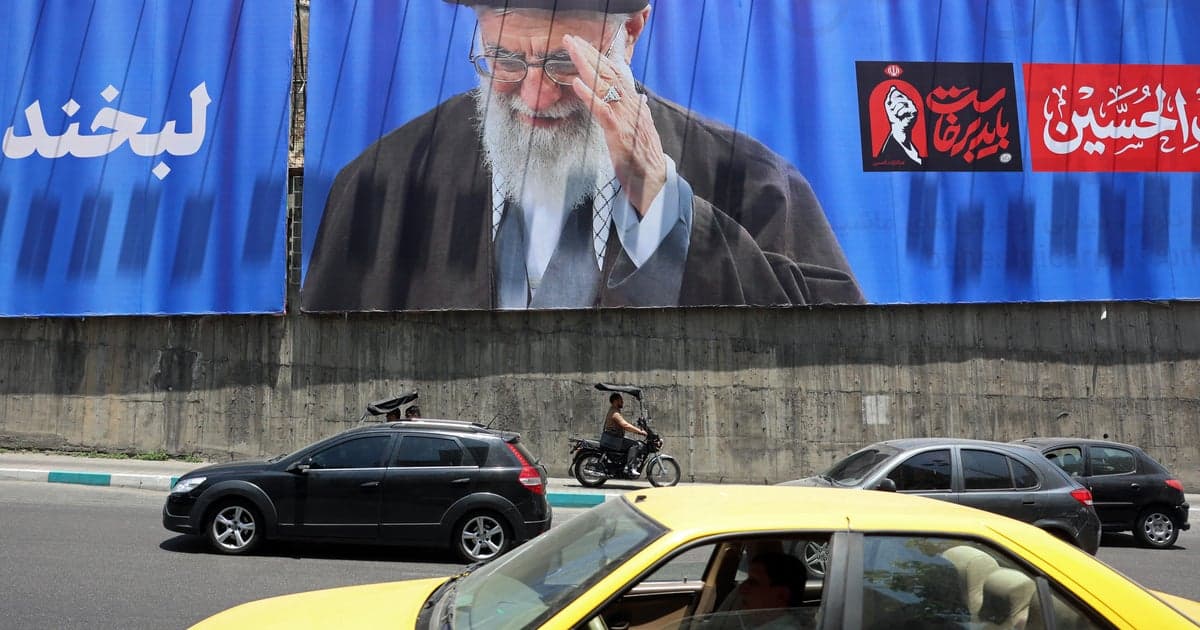
US and Iran race to finalize ceasefire and nuclear deal
A fragile 60-day truce has paused fighting, but sanctions, inspections and Lebanon could still sink a U.S.-Iran deal.

The fighting has paused, but the ceasefire remains fragile because the hardest questions are still untouched. The United States and Iran have moved into a 60-day sprint in Switzerland to turn an interim understanding into a permanent deal, yet security guarantees, sanctions relief, nuclear inspections and the fight around Lebanon could still unravel the talks.
The interim agreement, reached on June 14, 2026, is meant to keep hostilities down while negotiators work out the technical terms of a fuller settlement. Under the memorandum of understanding, the U.S. is to end its blockade of Iran’s ports, while Iran is to restore passage for oil tankers and other maritime traffic through the Strait of Hormuz, a chokepoint for nearly one-fifth of the world’s oil and natural gas supply. The roadmap reportedly extends a ceasefire first announced in April by another 60 days and sets a target for a final deal within the same window.
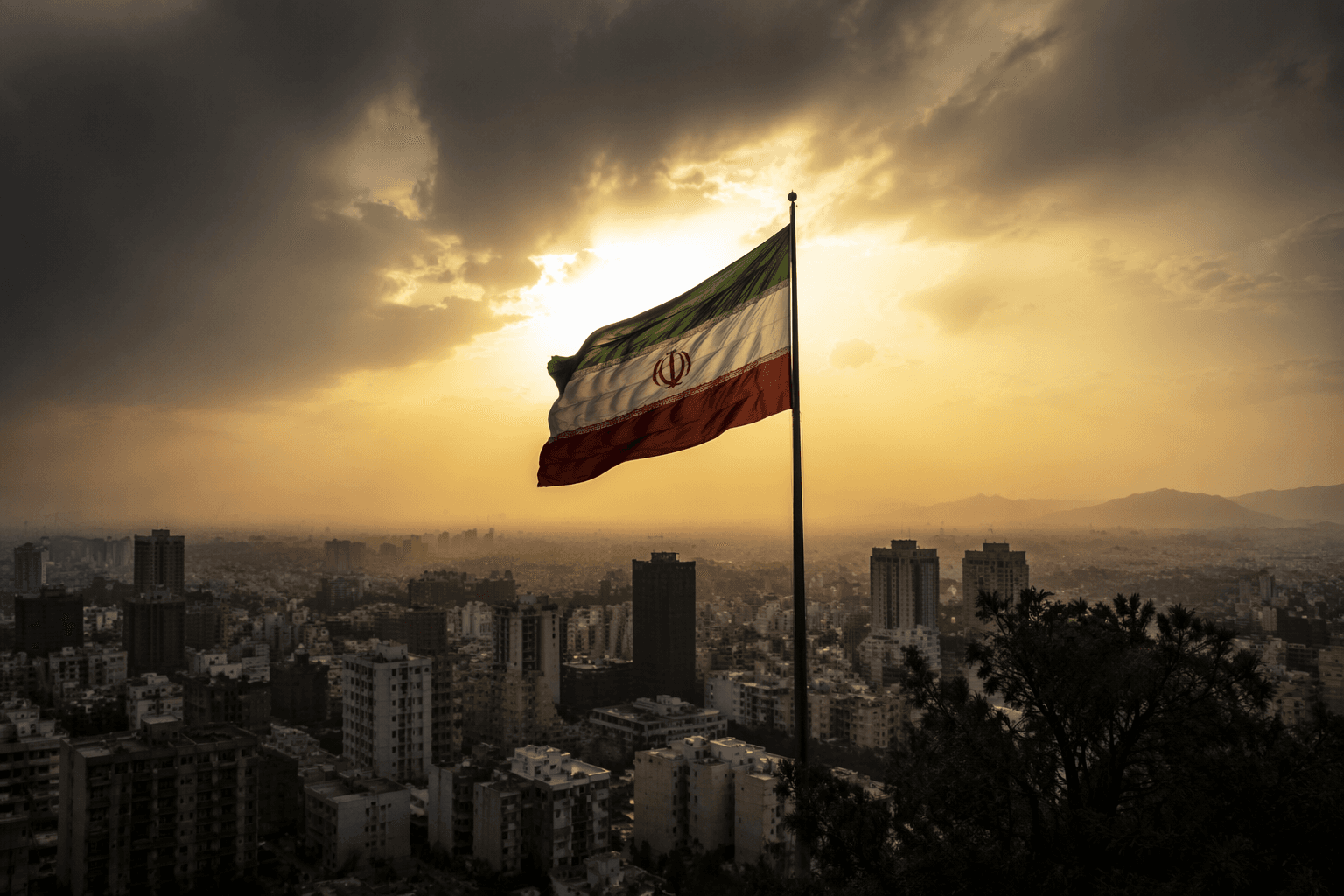
The talks have brought together senior figures from both sides. The American delegation in Switzerland included Vice President JD Vance, special envoy Steve Witkoff and Jared Kushner. Iran sent Foreign Minister Abbas Araghchi and other senior officials. Qatar and Pakistan are mediating, and negotiators have formed working groups on nuclear issues, sanctions and dispute resolution, along with a de-confliction cell for Lebanon and a communication line to keep ships moving safely through the Strait of Hormuz.
Israel is not directly participating and has distanced itself from the interim arrangement, adding another layer of uncertainty. Lebanon remains the most dangerous flashpoint. Israeli strikes and Hezbollah attacks have continued to threaten the diplomatic track, and Iran has said any continued Israeli attacks in Lebanon or occupation of Lebanese land would count as a breach of the memorandum. Hezbollah has said it does not believe Iran will accept a permanent truce unless Israeli occupation ends, while Prime Minister Benjamin Netanyahu has said Israel is not bound by the agreement and will not withdraw from southern Lebanon.
The war has already exacted a steep toll. Reuters reported on June 16 that more than 7,000 people had been killed, mostly in Iran and Lebanon, and that the conflict had destabilized much of the region and global energy markets. Oil prices fell after the accord was announced, underscoring how much is riding on the Strait of Hormuz. Donald Trump is also exposed to criticism from within his own party ahead of the November 2026 midterms, while Iran’s leadership could face renewed domestic pressure if sanctions relief does not materialize and living conditions do not improve. The ceasefire has held for now, but the agreement will only matter if both sides can settle the issues that still divide them.
This article was produced by Prism’s automated news system from verified source data, official records, and press releases, then run through automated quality and moderation checks before publishing. The system is built and supervised by the people who set the standards it runs under. Read our full AI policy.
Did this article answer your question?