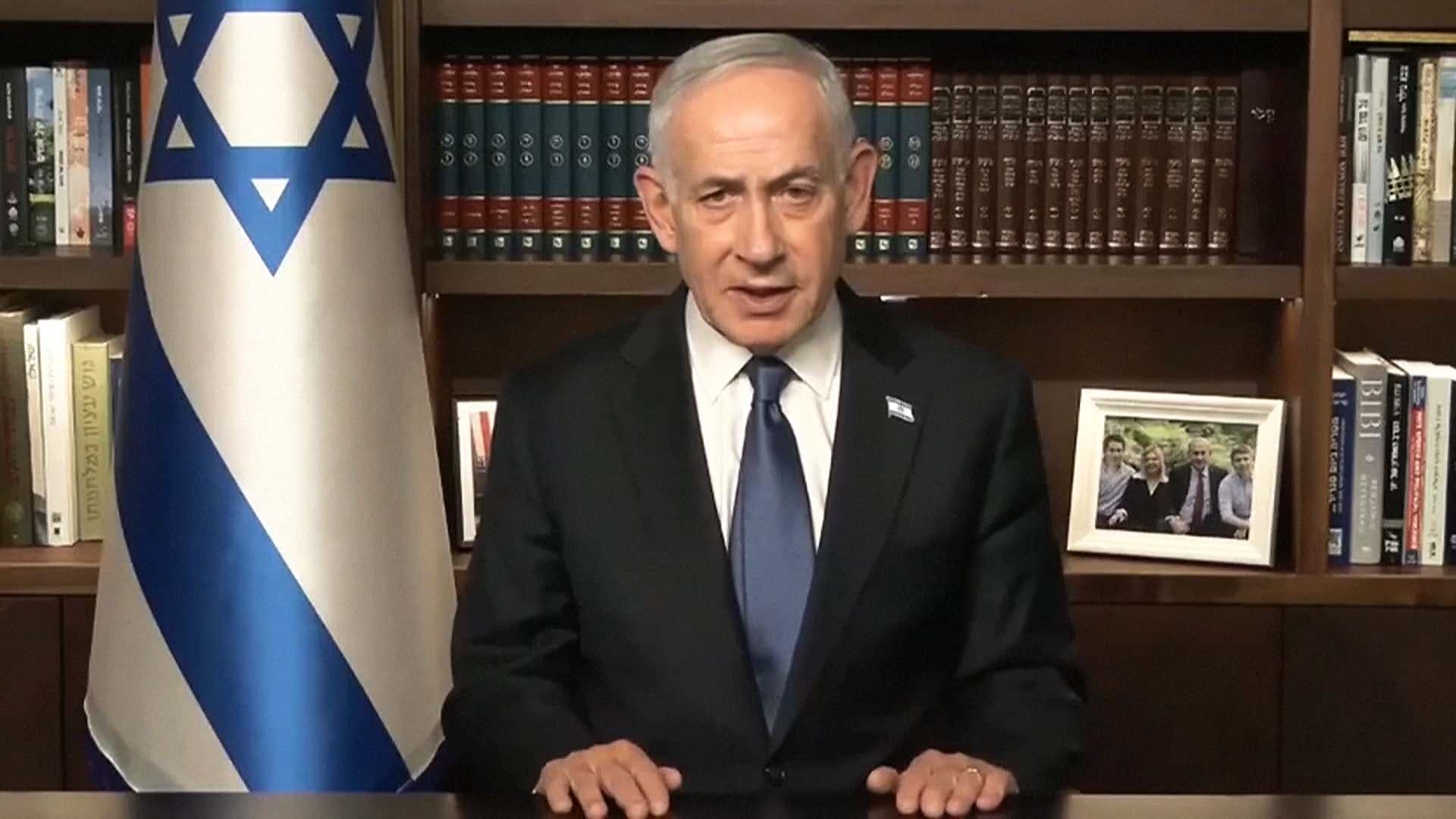
US and Iran agree to 60-day ceasefire framework, nuclear talks continue
A 14-paragraph U.S.-Iran memo opens a 60-day truce, reopens the Strait of Hormuz and ties sanctions relief to a $300 billion redevelopment push.
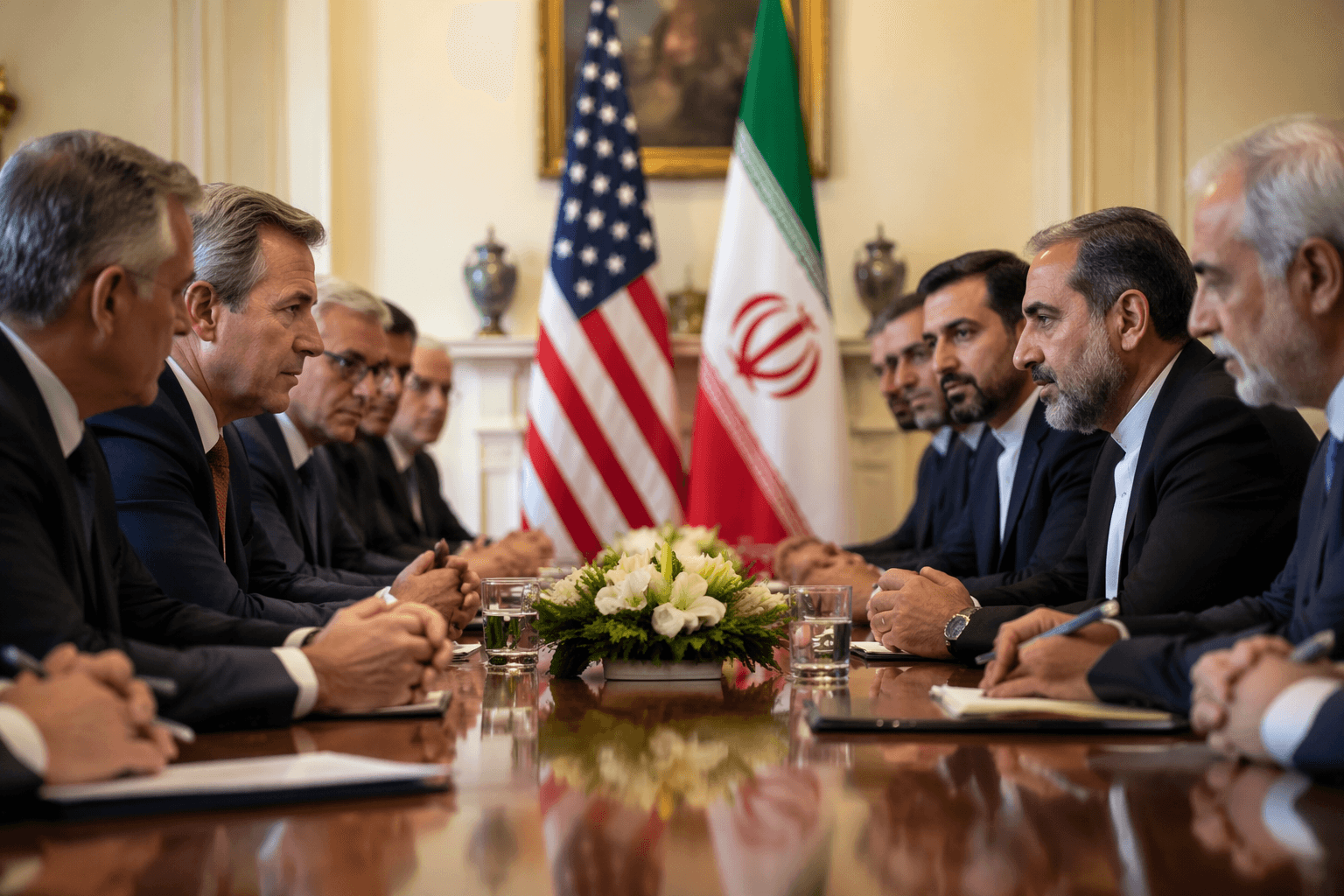
A 14-paragraph memorandum between the United States and Iran sets out a 60-day ceasefire and negotiation window, not an immediate peace settlement. The framework says Iran will never have a nuclear weapon, but the hardest questions, including verification, inspections and what happens to enriched uranium, are still unsettled.
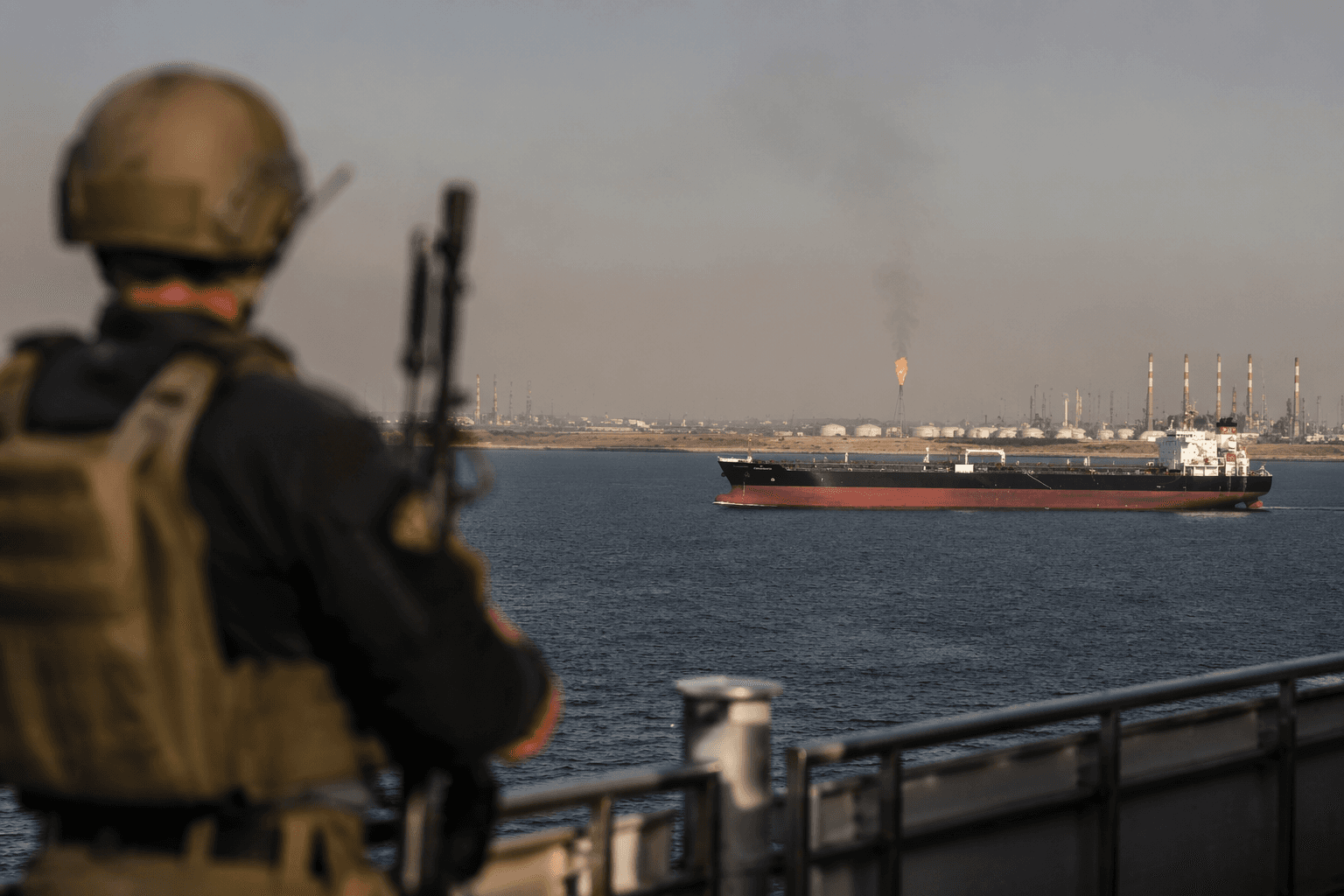
The agreement is expected to be signed Friday and then rolled out in phases. Under the terms described in the reporting, fighting would stop, the Strait of Hormuz would reopen and mines in the waterway would be removed to restore shipping. That would matter far beyond the two countries, because the strait is a choke point for Gulf energy exports and any disruption ripples through oil markets and civilian economies across the region.
Sanctions relief would begin quickly. US waivers for Iranian oil sales are reported to start upon signing, while access to frozen Iranian funds would come later, upon implementation. That sequencing makes the deal less a final settlement than a managed pause, with practical benefits for Iran tied to compliance steps and the broader talks that follow.
The nuclear file remains the most fragile part of the framework. Reporting says the sides have not settled how Iran’s enrichment activity would be limited or dismantled, how stockpiles would be monitored, or how inspectors would verify compliance on the ground. Some accounts say enrichment could continue during the 60-day talks, underscoring how much remains open even as both sides sign onto the idea that Iran must never obtain a nuclear weapon.
The economic side is equally conditional. The reported $300 billion package is described as a reconstruction or redevelopment incentive for Iran, not a simple cash transfer from Washington. Some reporting says the United States would not be required to directly fund the package, and more than half of the total has already been committed by private backers. That makes the promise of redevelopment real, but also dependent on investors, enforcement and whether the diplomatic window survives contact with politics in Washington, Tehran and the wider region.
The White House has framed the memorandum as the opening step in a longer process, after President Donald Trump first announced the accord days earlier. With ceasefire terms, nuclear commitments and sanctions relief all still in motion, the deal’s success will hinge less on the headline and more on whether the parties can turn a framework into enforceable rules before the 60 days run out.
This article was produced by Prism’s automated news system from verified source data, official records, and press releases, then run through automated quality and moderation checks before publishing. The system is built and supervised by the people who set the standards it runs under. Read our full AI policy.
Know something we missed? Have a correction or additional information?
Submit a Tip