US and Iran reach initial deal to extend ceasefire, reopen Hormuz
Vance said inspectors would return to Iran and no U.S. funds would move, but sanctions relief and nuclear details were still unsettled.
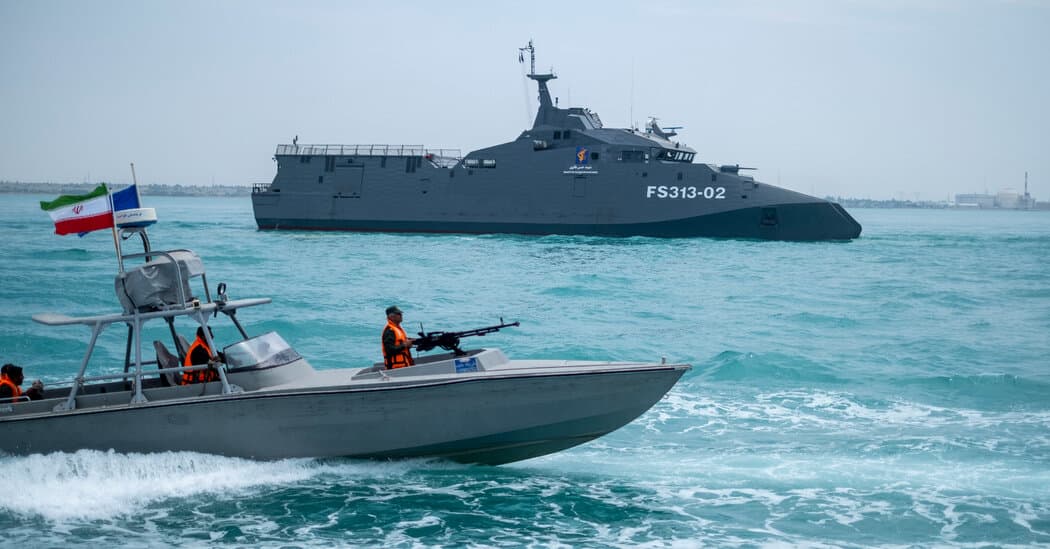
The first test of the U.S.-Iran deal was not celebration, but verification. JD Vance said nuclear inspectors would be allowed back into Iran, the administration expected the full text later this week, and no U.S. funds would be transferred under the framework. The agreement was intended to extend a shaky ceasefire and reopen the Strait of Hormuz, but the hardest questions about enforcement and Iran’s nuclear program remained open.
In an interview with NBC Nightly News anchor Tom Llamas after the announcement, Vance framed the deal as a practical tradeoff. He said the administration’s goals were to prevent Iran from obtaining a nuclear weapon, reopen the Strait of Hormuz, and help lower energy prices for Americans. That was the political sales pitch: a narrower agreement cast as a security gain and a pocketbook win at the same time.
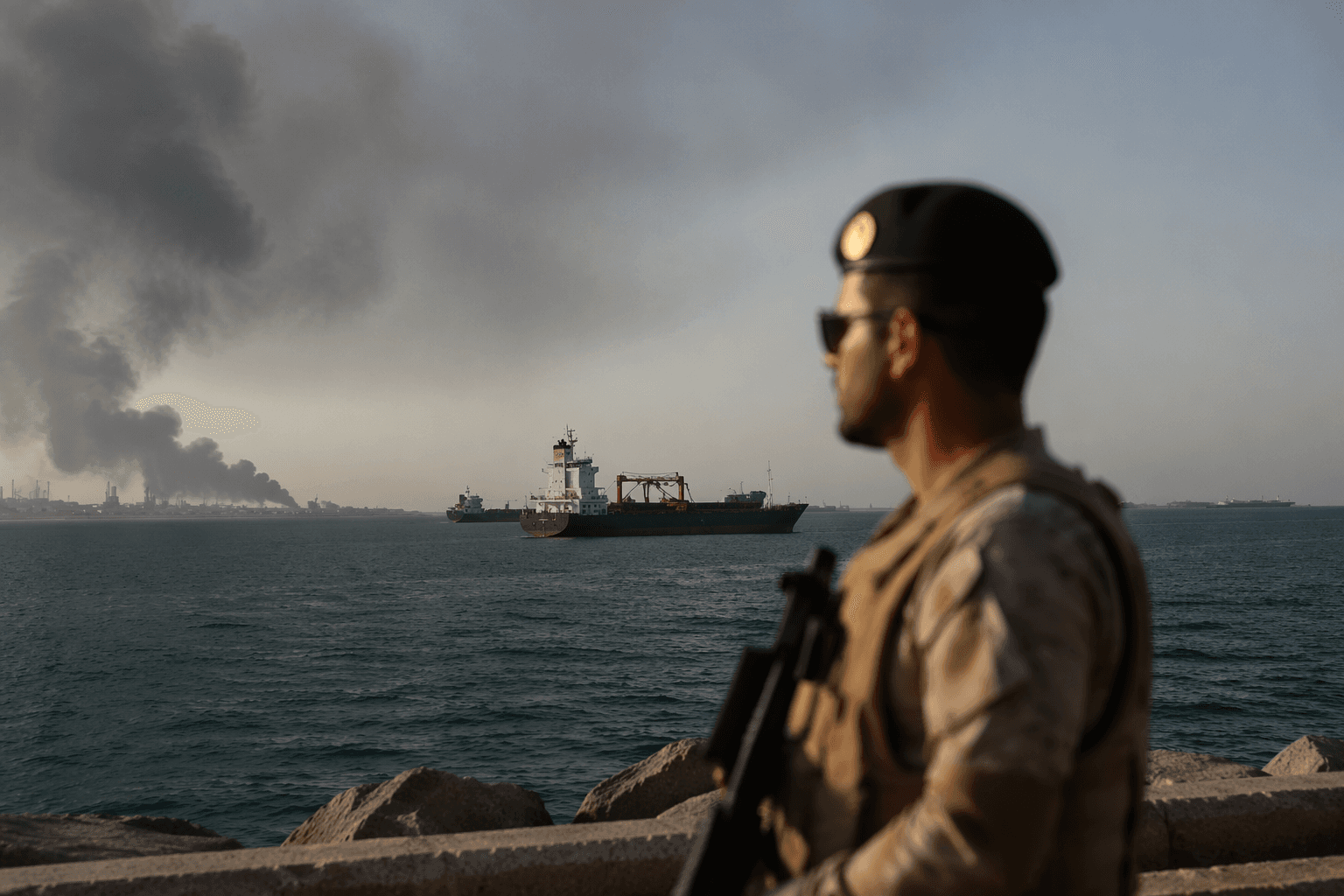
The mechanics, however, still mattered more than the messaging. Vance said inspectors would be permitted back into Iran under the deal, but he did not spell out the scope of their access, how quickly they would return, or what would happen if Tehran resisted. The White House had electronically signed the document Sunday, and the administration was preparing to release the full text later this week, underscoring how much of the arrangement still depended on details that had not yet been made public.
Reporting from Reuters said the deal was an initial framework rather than a final settlement. It was meant to extend the ceasefire after a monthslong conflict and reopen the strategic Strait of Hormuz, one of the world’s most sensitive energy chokepoints. Reuters also said further negotiations over the details were still ongoing, leaving the core verification questions unresolved even as the sides moved toward an agreement in principle.
Associated Press reported that Pakistani Prime Minister Shehbaz Sharif said Friday the United States and Iran had agreed on the wording of an agreement. Other reporting said the draft terms could include sanctions relief and the release of frozen Iranian assets, provisions that would raise the stakes for any inspection regime and sharpen scrutiny over what Iran gives up in return.
The wider war has not been neatly contained. NBC’s top-stories feed noted that Israel’s fight against the Iran-backed Hezbollah militia in Lebanon could still complicate U.S. efforts to settle the conflict. For now, the deal’s credibility rests less on the promise of reopened shipping lanes or lower fuel prices than on whether the inspection process, sanctions relief, and nuclear limits can withstand the next round of bargaining.
This article was produced by Prism’s automated news system from verified source data, official records, and press releases, then run through automated quality and moderation checks before publishing. The system is built and supervised by the people who set the standards it runs under. Read our full AI policy.
Know something we missed? Have a correction or additional information?
Submit a Tip