U.S. and Iran reach interim deal to end war, reopen Hormuz
The deal revived a fragile pattern: brief diplomacy, disputed limits, then mistrust over uranium and sanctions. History suggests the Hormuz opening may be easier than keeping the nuclear truce alive.
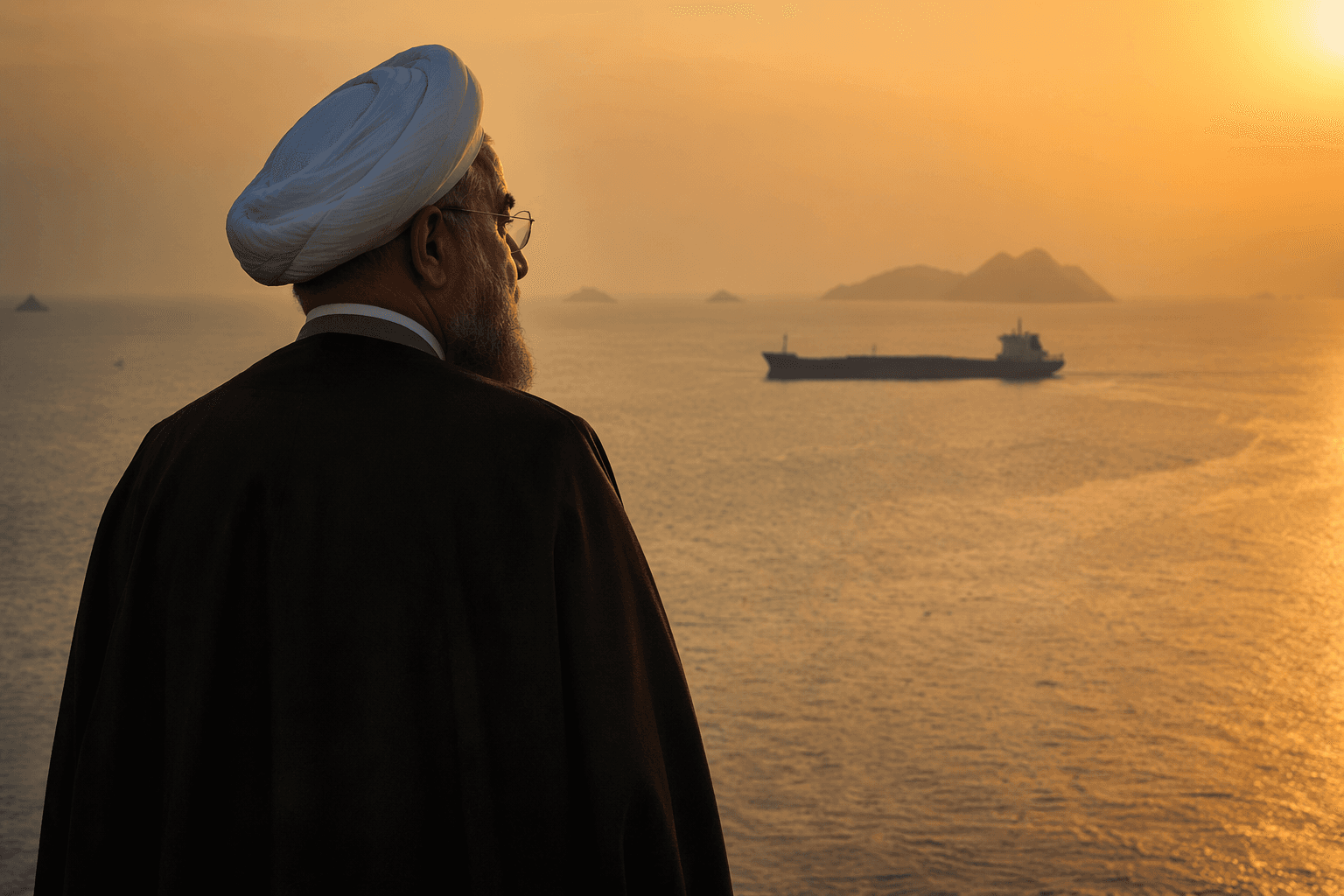
The United States and Iran reached an interim deal aimed at ending their war and reopening the Strait of Hormuz, but the agreement rested on the same brittle bargain that has undone earlier diplomacy: temporary limits, disputed verification, and deep mistrust over Iran’s nuclear work. A signing was planned for Friday in Switzerland, even as previous announcements had fallen through and key details remained in dispute.
That fragility was built into the history. Iran took possession of the U.S.-supplied Tehran Research Reactor in 1967 under the Atoms for Peace program, signed the Nuclear Non-Proliferation Treaty in 1968, and expanded nuclear infrastructure under the shah before the 1979 Islamic Revolution halted some projects, including German construction at Bushehr. When exiles revealed secret uranium enrichment in 2002, the file shifted from suspicion to sustained international scrutiny, and the International Atomic Energy Agency became the central monitor of Iran’s commitments.
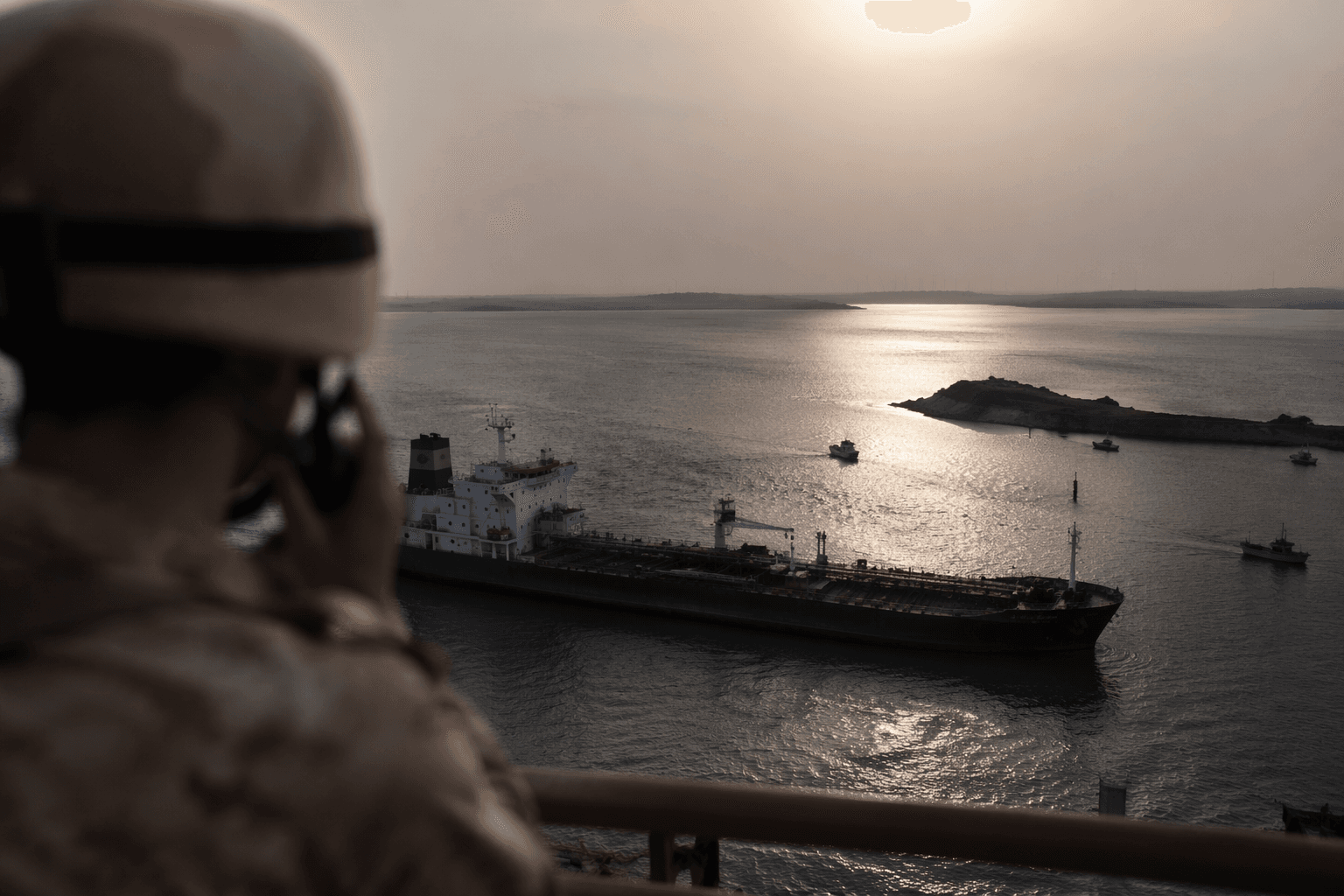
Tehran has long argued that its program is for peaceful purposes and that it has the right to enrich under the NPT. The United States and other governments have viewed the same program as a pathway to nuclear weapons. That split defined the 2015 Joint Comprehensive Plan of Action, negotiated with Iran and the E3+3 and implemented in 2016 under IAEA verification. The deal narrowed tensions but did not erase them.
It collapsed when the United States withdrew in May 2018 and reimposed sanctions. Iran then began exceeding JCPOA limits, and by 2020 and 2021 it had ended enrichment restraints and moved to higher enrichment levels. That sequence hardened the mistrust on both sides and left every later negotiation carrying the weight of a deal that had already been broken once.
The IAEA’s role only grew more central. In June 2025, the agency’s Board of Governors adopted a resolution urging Iran to cooperate, and Director General Rafael Grossi briefed the board on verification and monitoring activities in Iran. Those steps underscored how much of the world’s confidence in any accord still depends on inspection, access, and compliance that can be measured in real time.
By April 2026, reporting said U.S.-Iran talks had shifted toward a temporary deal because the core disputes remained unresolved, especially the fate of Iran’s highly enriched uranium and how long nuclear restrictions would last. The Strait of Hormuz emerged as the immediate leverage point, with the proposed deal promising to reopen the chokepoint even as broader nuclear questions stayed open. Abbas Araghchi has said no nuclear talks can proceed without implementation of the interim deal, tying the truce directly to the larger nuclear file and leaving the accord vulnerable to the same pressures that have broken so many before it.
This article was produced by Prism’s automated news system from verified source data, official records, and press releases, then run through automated quality and moderation checks before publishing. The system is built and supervised by the people who set the standards it runs under. Read our full AI policy.
Know something we missed? Have a correction or additional information?
Submit a Tip