U.S. and Iran signal breakthrough deal on ports, sanctions and nuclear talks
Iran and the U.S. are circling a memorandum that could reopen the Strait of Hormuz, ease oil sanctions and freeze a nuclear standoff, but each side is selling a different deal.
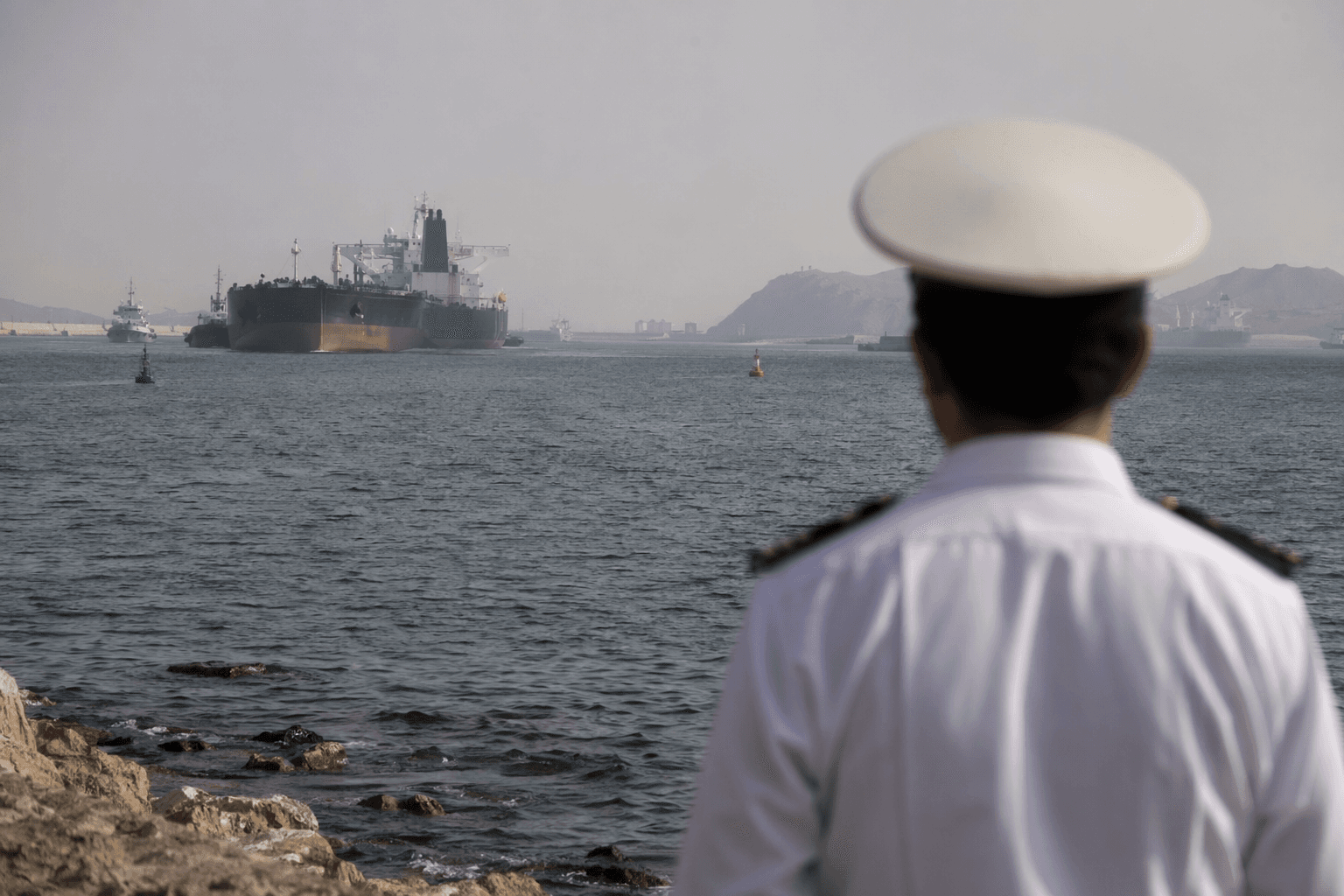
A deal framed as a breakthrough is being sold in two different languages. In Washington, officials say a memorandum of understanding could force Iran’s nuclear program to be dismantled, with enriched material destroyed and removed. In Tehran, the emerging framework is being described as sanctions relief, access to frozen funds and a pause in hostilities that could reach Lebanon.
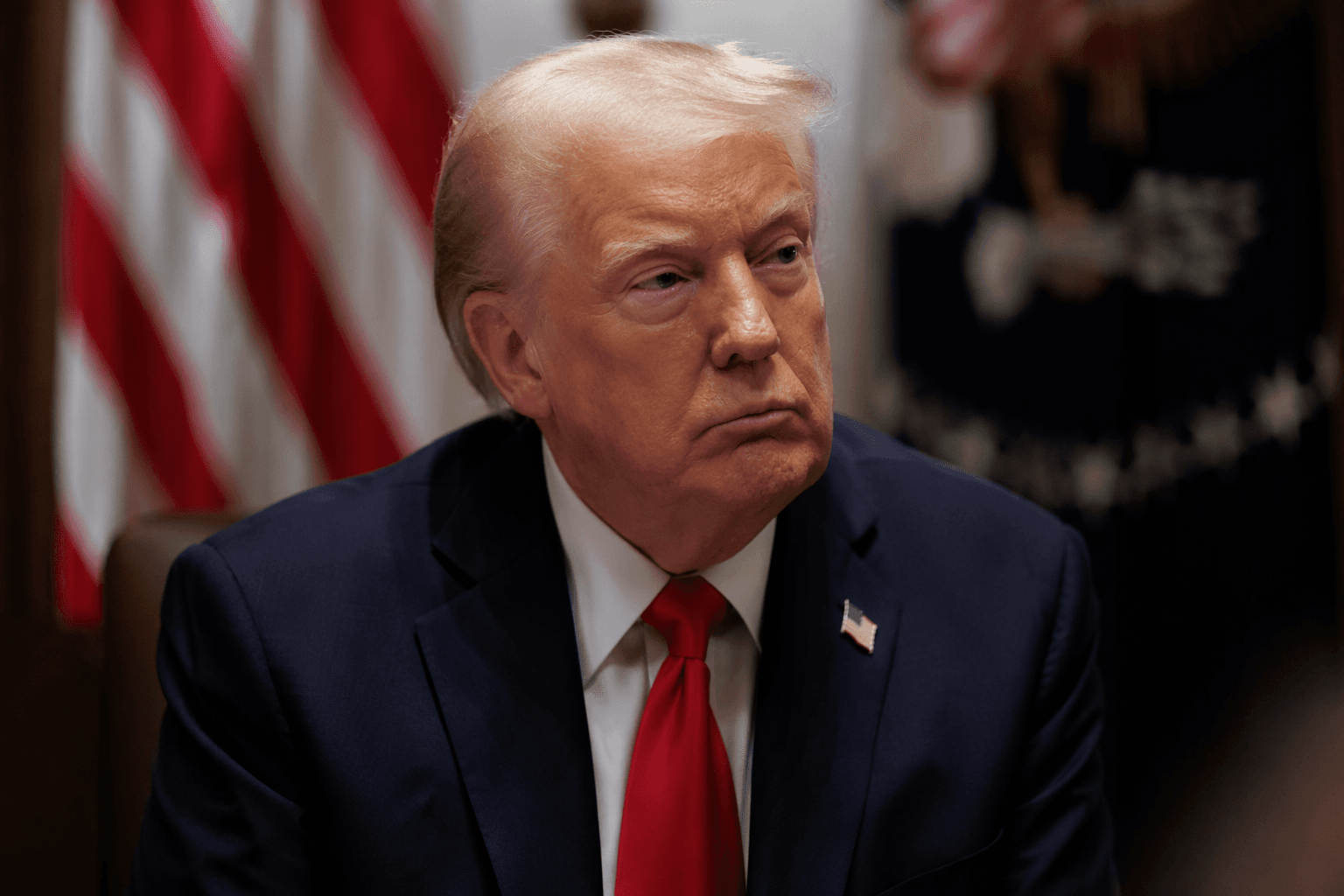
The gap between those versions is the real test of whether this is diplomacy or rebranding. Reuters reported that a senior U.S. administration official said both sides had agreed on a text, while Iran’s foreign ministry said its decision-making bodies were still reviewing the memorandum. Donald Trump said the leaked Iranian description had “nothing to do” with what was agreed in writing, and JD Vance said no cash would be given to Iran simply for signing a deal or attending a meeting.
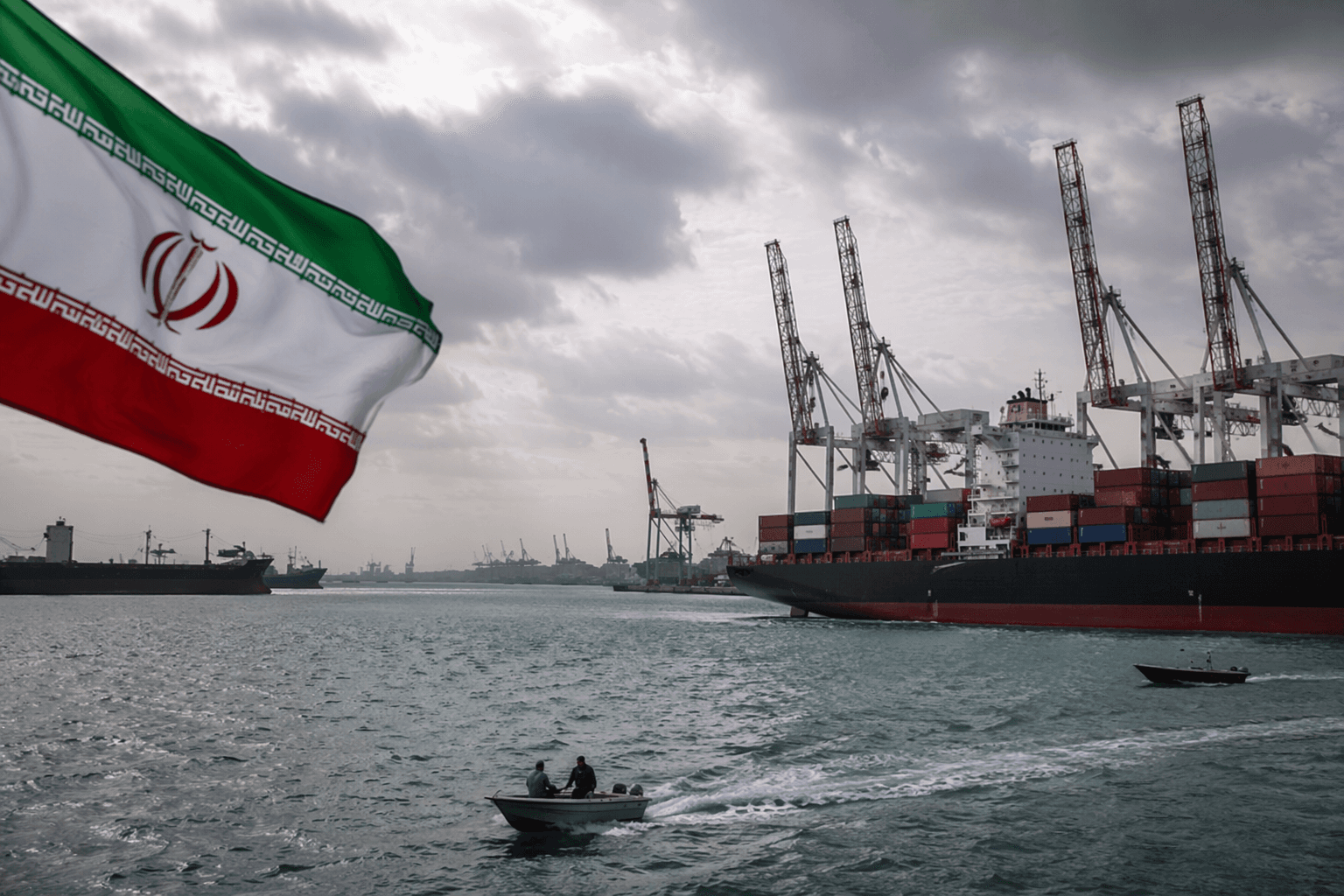
What is being discussed goes beyond a narrow ceasefire. According to Reuters, one senior Iranian source said the draft would waive sanctions on Iranian oil, unfreeze billions of dollars of Iranian funds and require a cessation of hostilities on all fronts, including in Lebanon. The U.S. position is far more sweeping in the opposite direction: Tehran would have to ensure the Strait of Hormuz stays open, while its nuclear material is destroyed and removed and its nuclear program dismantled.
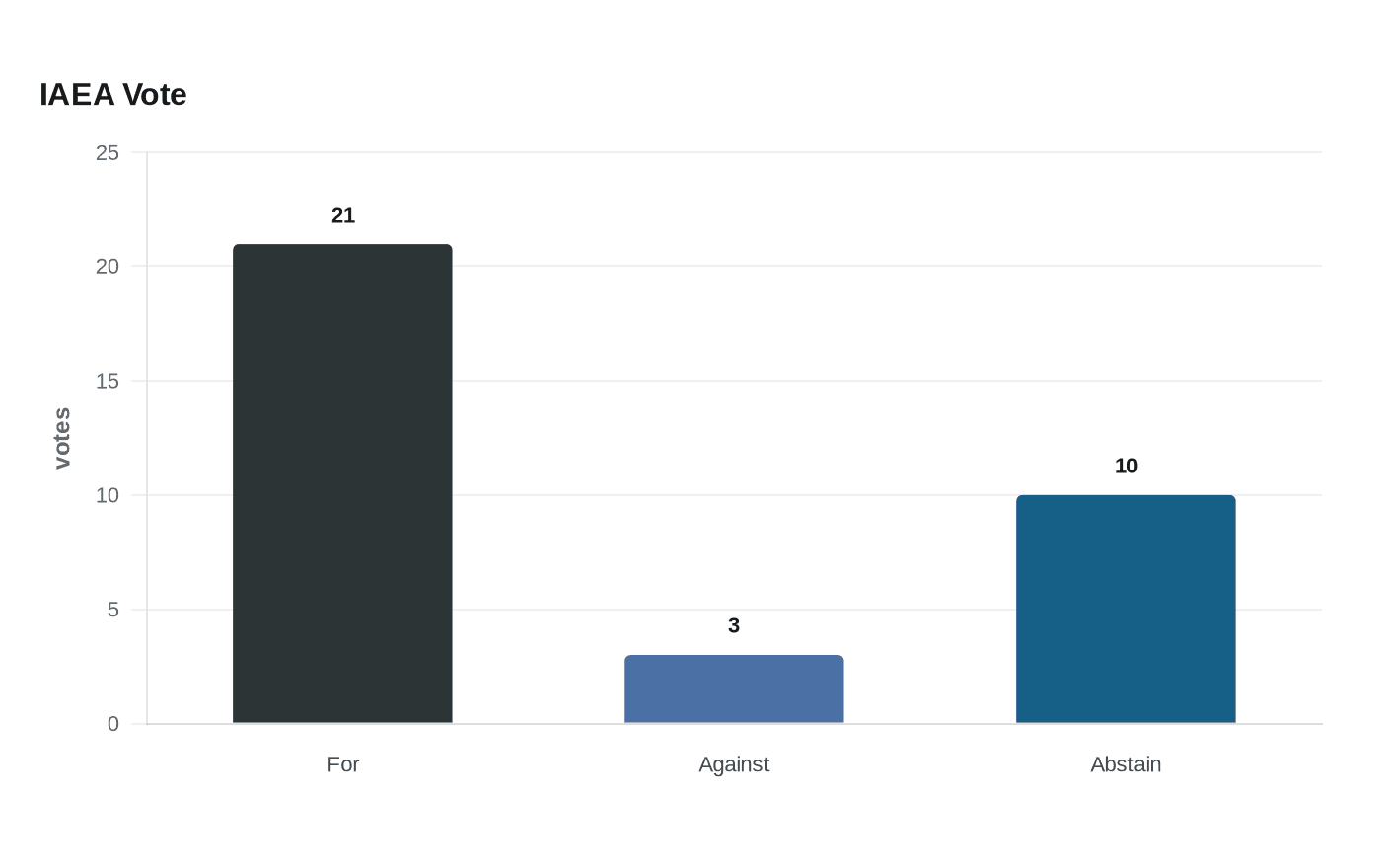
The nuclear backdrop is tightening. On June 10, the International Atomic Energy Agency’s 35-nation Board of Governors passed a U.S.-backed resolution by 21 votes to 3, with 10 abstentions, calling on Iran to declare its remaining enriched uranium stocks and allow inspectors to verify them. Reuters reported Iran is believed to possess about 900 pounds, or 408 kilograms, of highly enriched uranium, and that inspectors have not yet been allowed back into bombed sites.
This round of talks follows the October 2025 snapback sanctions triggered by Britain, France and Germany under the 2015 nuclear deal, according to the UK House of Commons Library. That same analysis says the February 2026 negotiations focused on Iran’s nuclear and ballistic missile programs, sanctions relief and the Strait of Hormuz. Reuters later described those talks as the “most intense so far,” but they ended without a breakthrough.
Mediation has shifted as the talks have evolved. Reuters reported earlier that Oman was involved, while later reporting said Pakistan arranged a conditional ceasefire and was mediating the current negotiations. Geneva is now emerging as the likeliest venue for a signing, underscoring how much of the process still hinges on geography, guarantees and whether either side is ready to put the same deal into writing.
This article was produced by Prism’s automated news system from verified source data, official records, and press releases, then run through automated quality and moderation checks before publishing. The system is built and supervised by the people who set the standards it runs under. Read our full AI policy.
Know something we missed? Have a correction or additional information?
Submit a Tip