U.S. and Iran trade airstrikes as Trump threatens more attacks
Airstrikes spread to U.S. bases in Kuwait, Bahrain and Jordan as Iran warned ships in the Strait of Hormuz and oil jumped nearly $3 a barrel.
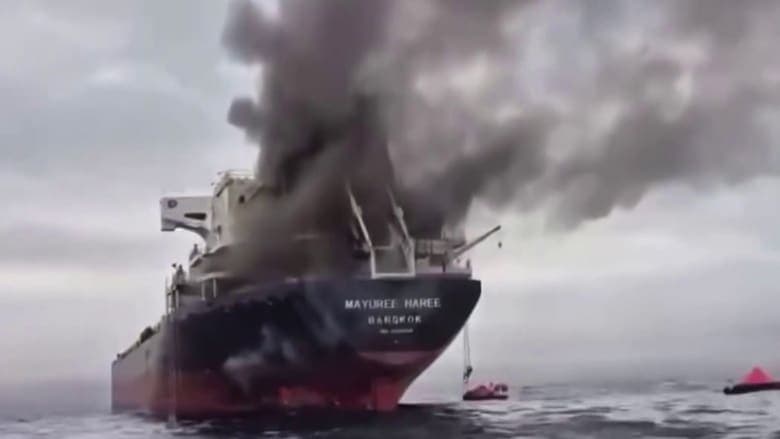
The danger now ran through three choke points: U.S. troops at bases in the Gulf, tankers moving through the Strait of Hormuz and oil markets already jolted by Washington’s threats. The United States and Iran traded air attacks for a second straight day, and Donald Trump warned of more strikes if Tehran did not quickly agree to a peace deal. If either side broadens the fight to shipping lanes or more American installations, a limited exchange could turn into a wider regional war.
The escalation began after a U.S. Apache helicopter was downed near the Strait of Hormuz, setting off tit-for-tat attacks across Iran and on U.S. bases around the region. It was the sharpest challenge yet to a fragile ceasefire agreed in April, and the latest round underscored how quickly that truce could unravel. The war itself began in late February with massive U.S.-Israeli joint air strikes on Iran.
U.S. strikes on Iran targeted military surveillance capabilities, communication systems, air defense sites, radar facilities near the Strait of Hormuz and drone command-and-control sites across the country. U.S. Central Command said the additional self-defense strikes began at 5:15 p.m. Eastern time on June 10 and were complete about four hours later, soon after midnight in Tehran. The strikes were meant to blunt Iran’s ability to track aircraft, direct retaliatory fire and threaten maritime traffic in one of the world’s most sensitive waterways.
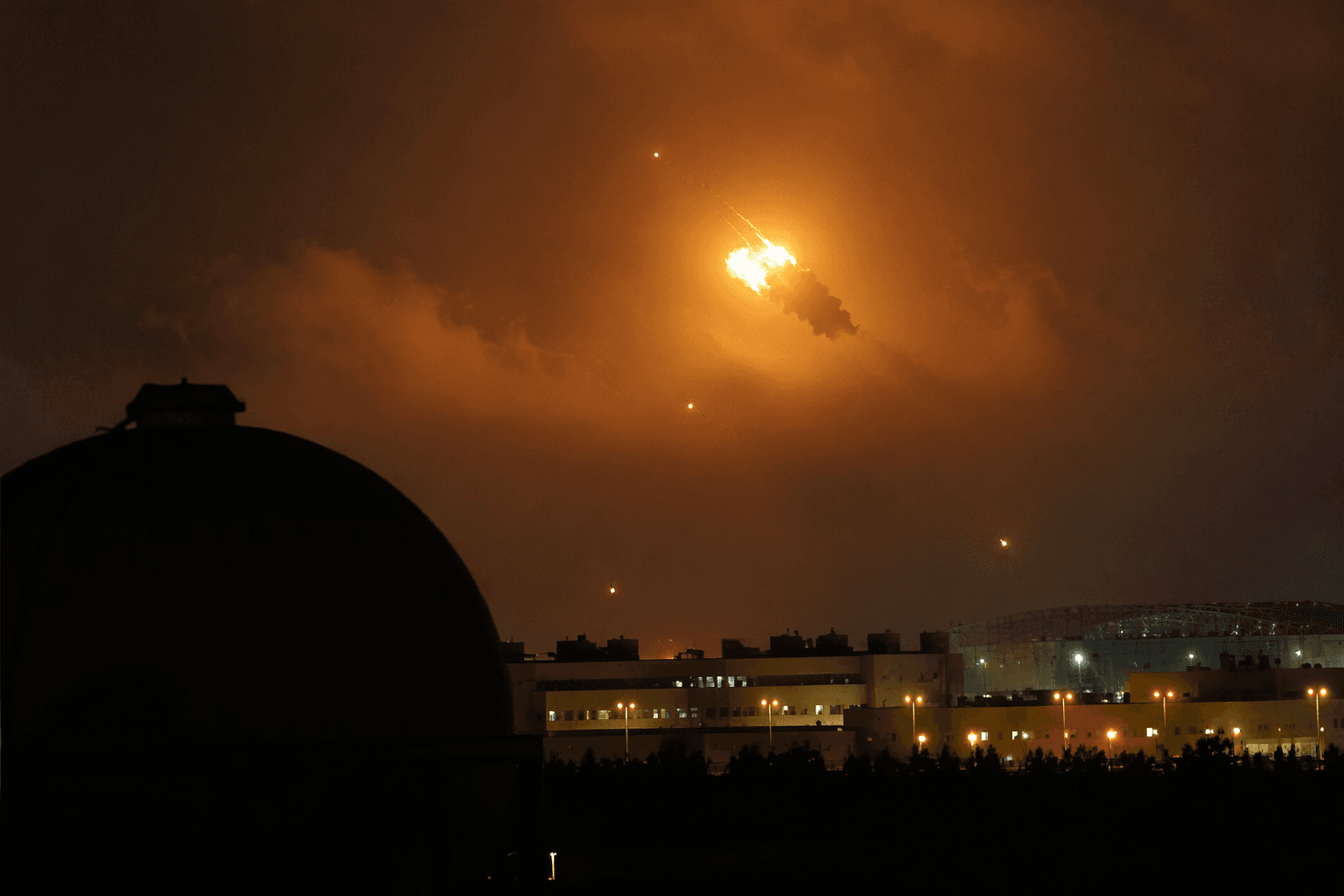
Iran responded by saying the Islamic Revolutionary Guard Corps hit 18 U.S. military targets at air bases in Kuwait and Bahrain, along with the U.S. Navy’s Fifth Fleet in Bahrain. Iran also said it fired 12 ballistic missiles at al-Azraq Air Base in Jordan for a second consecutive night. Bahrain’s interior ministry said sirens were sounded, while Kuwait’s air defenses engaged hostile aerial targets and Bahrain said its defenses intercepted and destroyed the attacks.
Iranian media reported explosions in Bandar Abbas, Qeshm Island, Sirik, Minab, Varamin and Karaj. Iran’s top joint military command warned it would fire on any vessel attempting to pass through the Strait of Hormuz, and Iranian media said two ships were fired upon. U.S. Central Command said commercial ships were still transiting the strait despite the threats.
Markets registered the risk immediately. Oil prices rose nearly $3 a barrel after Trump threatened further escalation, a sign that the fighting was already reaching beyond the battlefield. The next decision point now sits in Washington and Tehran: whether to keep the exchange bounded, or press the conflict into the shipping lanes and energy markets that would put American forces and consumers under far greater strain.
This article was produced by Prism’s automated news system from verified source data, official records, and press releases, then run through automated quality and moderation checks before publishing. The system is built and supervised by the people who set the standards it runs under. Read our full AI policy.
Know something we missed? Have a correction or additional information?
Submit a Tip