U.S. and Iran Trade Threats as Strait of Hormuz Tensions Escalate
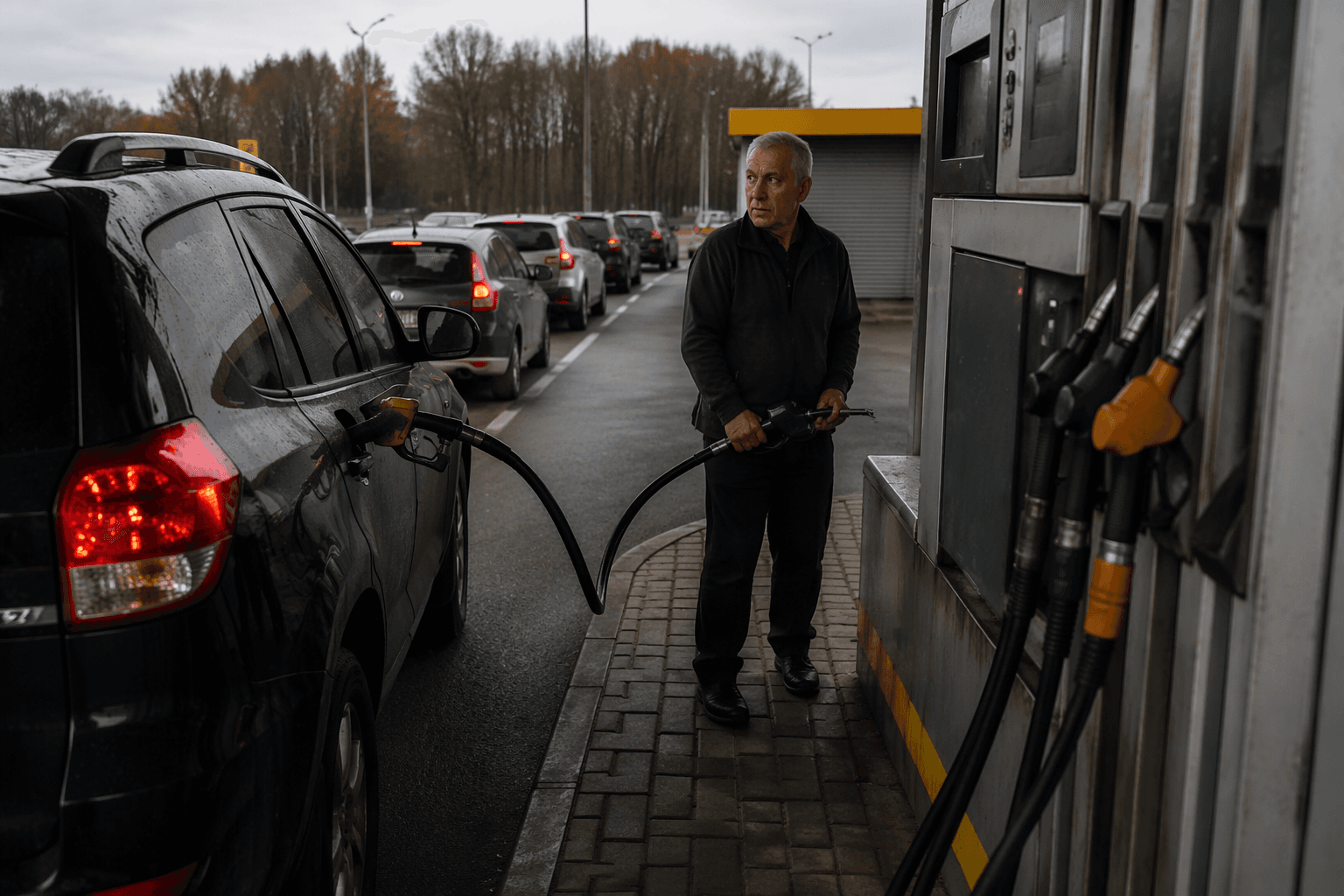
A key oil artery is moving at a trickle, Brent is near $118, and six Gulf producers have already shut in 7.5 million barrels a day as threats sharpen.
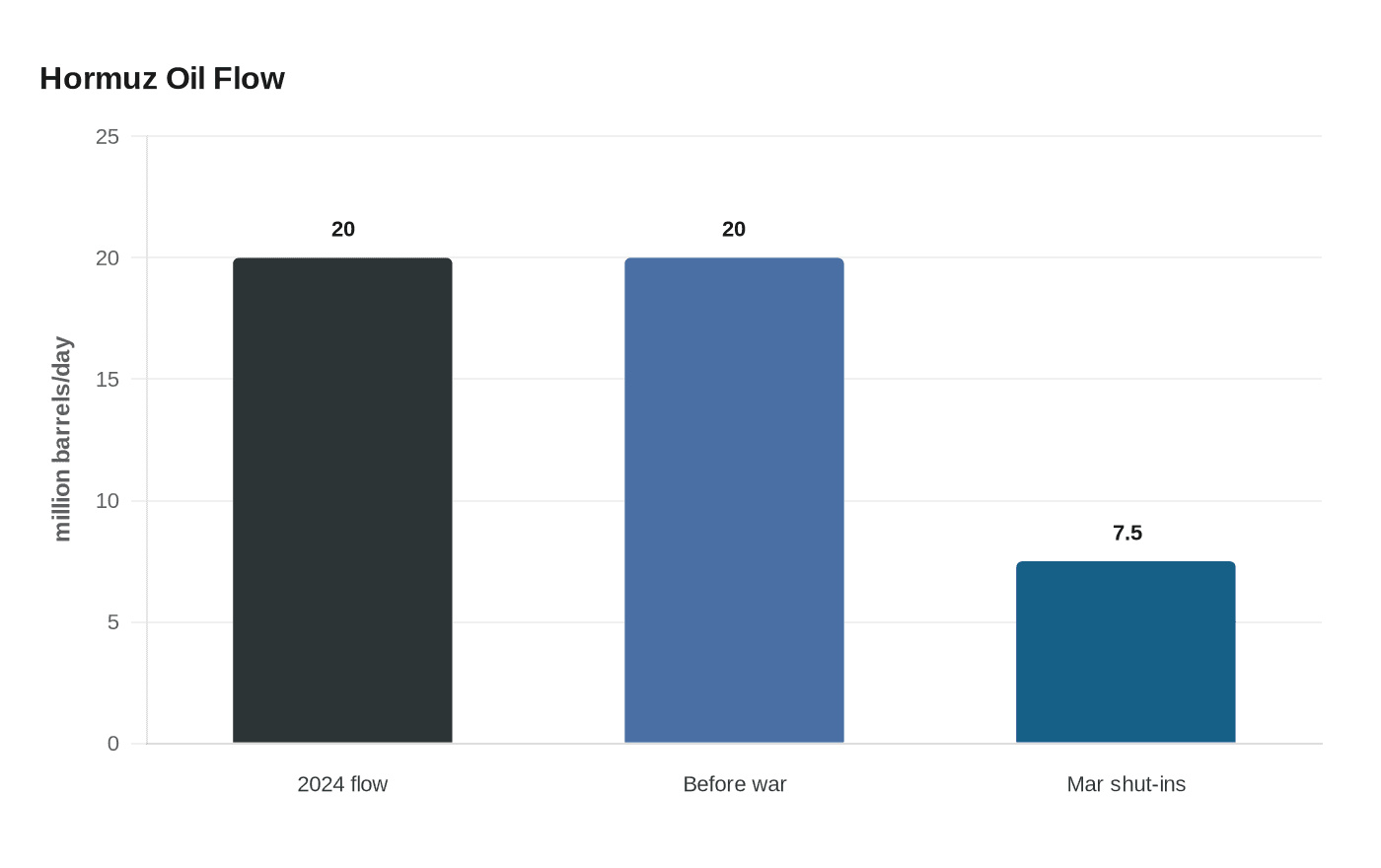
The Strait of Hormuz has become the market’s most dangerous fault line because even limited disruption there hits fuel costs, shipping insurance, and inflation far beyond the Gulf. Roughly 20 million barrels a day of oil moved through the strait in 2024, about 27% of global maritime oil trade and roughly 20% of world petroleum liquids consumption, while about 20% of global LNG trade also crossed that narrow waterway between Iran and Oman.
That dependence has made every threat more expensive. The International Energy Agency said in March 2026 that flows through the strait had plunged from around 20 million barrels a day before the war to a trickle, calling the conflict the largest supply disruption in the history of the global oil market. Brent crude hovered around $118 as the stand-off dragged on, a level that signaled traders were pricing not just lost barrels but the risk of a broader regional shock.
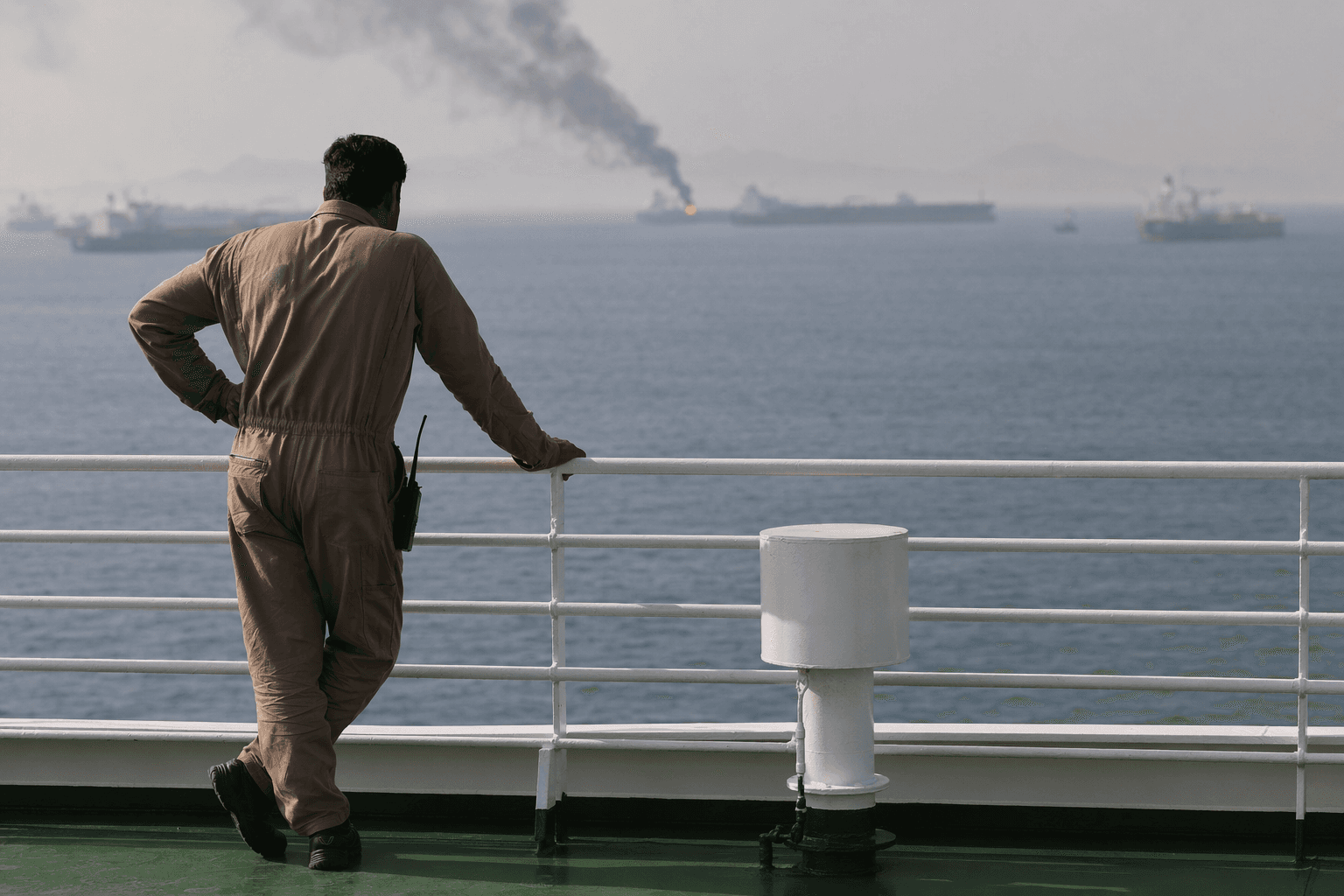
The physical strain on the system was already visible. The U.S. Energy Information Administration said on April 7 that oil flows through Hormuz remained limited and that Iraq, Saudi Arabia, Kuwait, the United Arab Emirates, Qatar and Bahrain collectively shut in 7.5 million barrels a day of crude production in March. The U.S. Energy Information Administration warned that limited flows caused oil storage to fill quickly in countries relying on the route for exports, while the United Nations Conference on Trade and Development said on March 10 that disruptions there were affecting energy flows, prices and global trade far beyond the region.
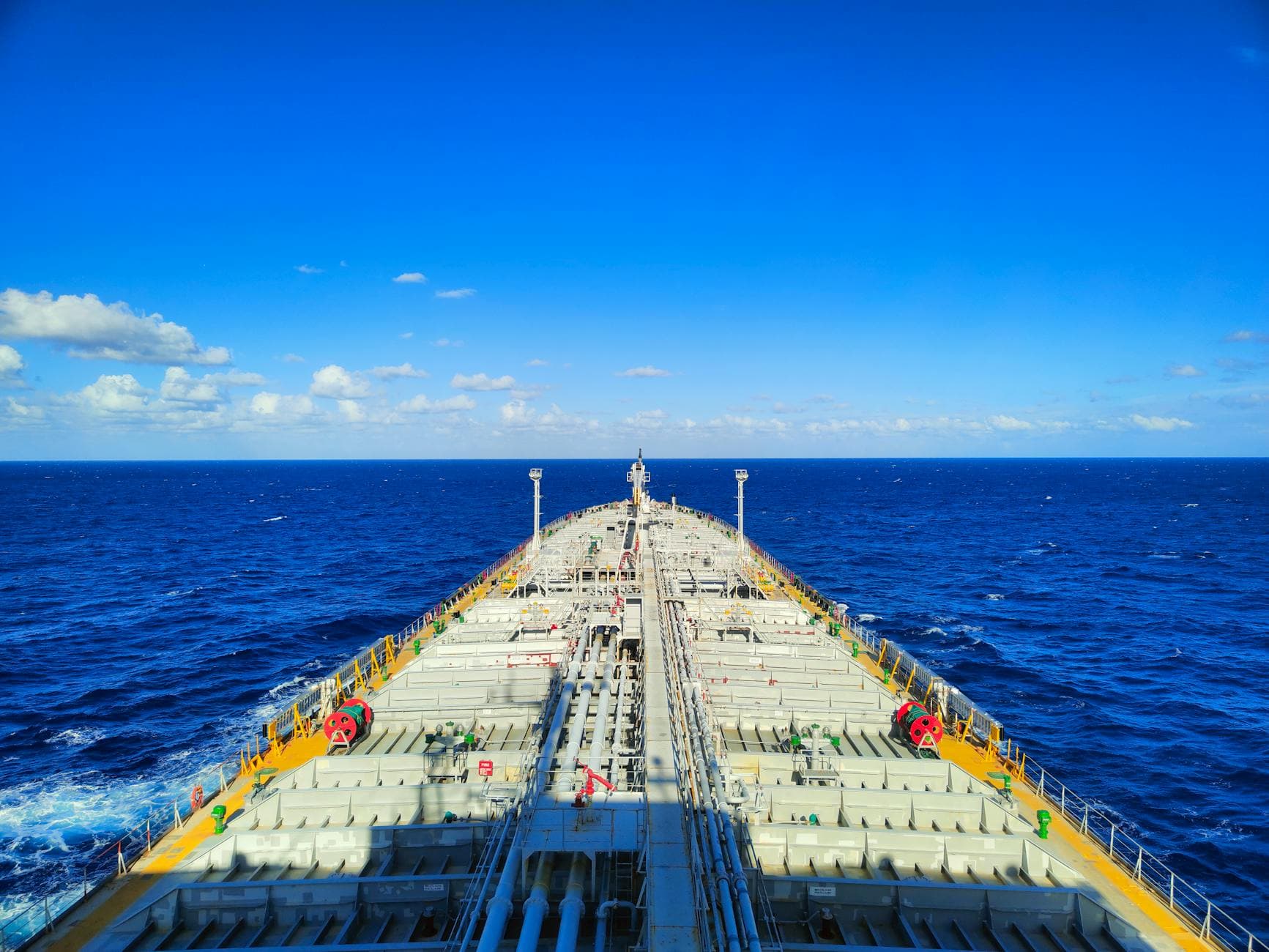
The military risk has moved with the market risk. U.S. Central Command denied Iranian claims that a U.S. warship had been struck near the strait, after Iranian state media said a U.S. frigate was targeted by missiles and turned back near Jask island. CBS News reported that U.S. forces under Project Freedom were helping commercial ships transit the strait, underscoring how quickly escort operations can become routine in a crisis.
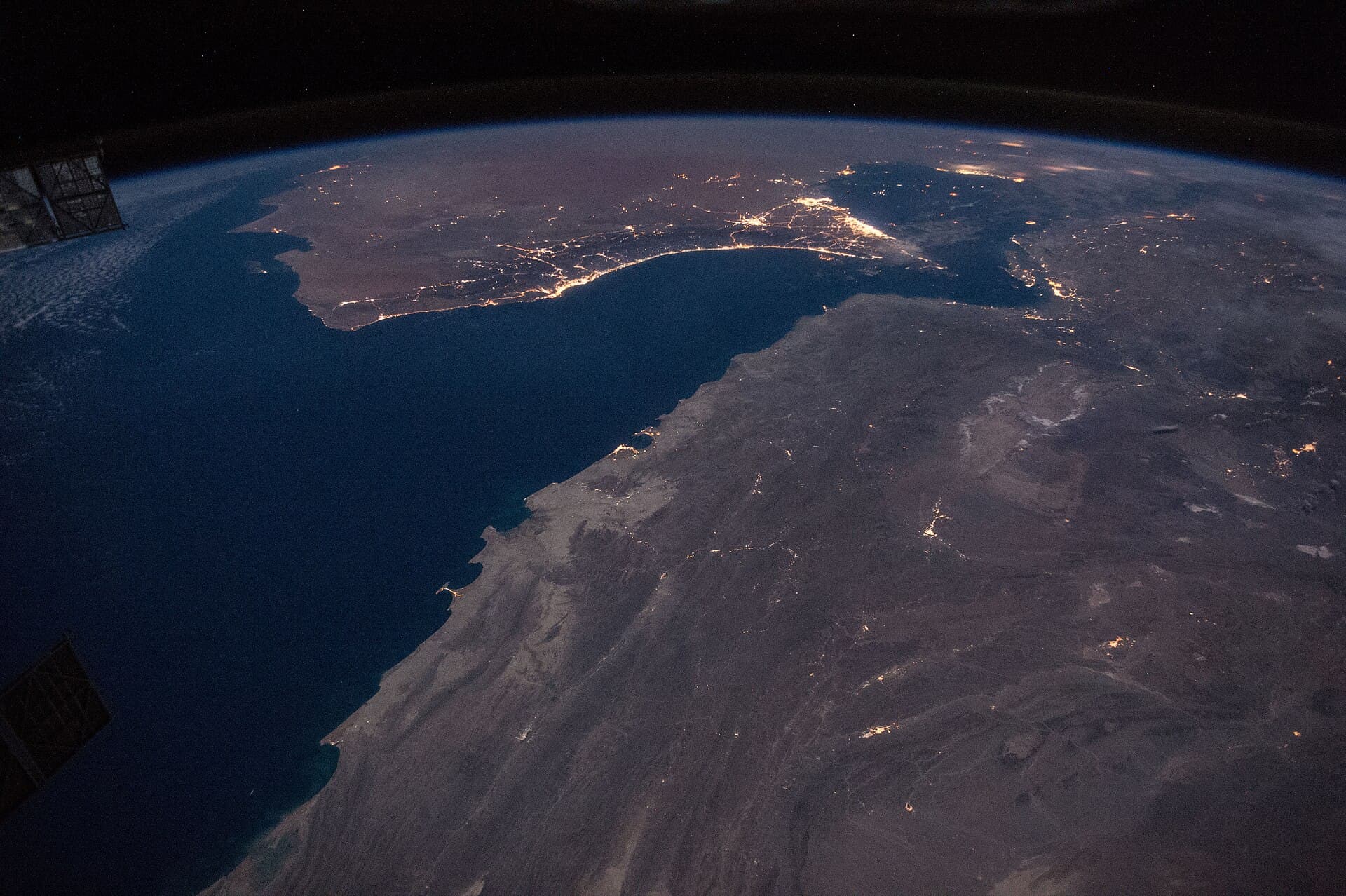
The clearest sign that brinkmanship has crossed into a more lasting conflict would be a sustained halt in tanker traffic, confirmed attacks on shipping, or a widening of the disruption beyond today’s trickle. The Federal Reserve Bank of Dallas said the closure of the strait after the outbreak of military conflict with Iran on Feb. 28, 2026 was a geopolitically driven oil supply shock. With no easy bypass for the route, any escalation would threaten not only Gulf exporters but also American consumers, European industry and Asian supply chains that depend on stable energy flows.
This article was produced by Prism’s automated news system from verified source data, official records, and press releases, then run through automated quality and moderation checks before publishing. The system is built and supervised by the people who set the standards it runs under. Read our full AI policy.
Did this article answer your question?