US and Israel Pressure Iran to Reopen Strait of Hormuz Amid Oil Crisis
Trump set an 8 p.m. Tuesday deadline for Iran to reopen the Strait of Hormuz or face strikes on its power grid, as Brent crude peaks near $126 a barrel.
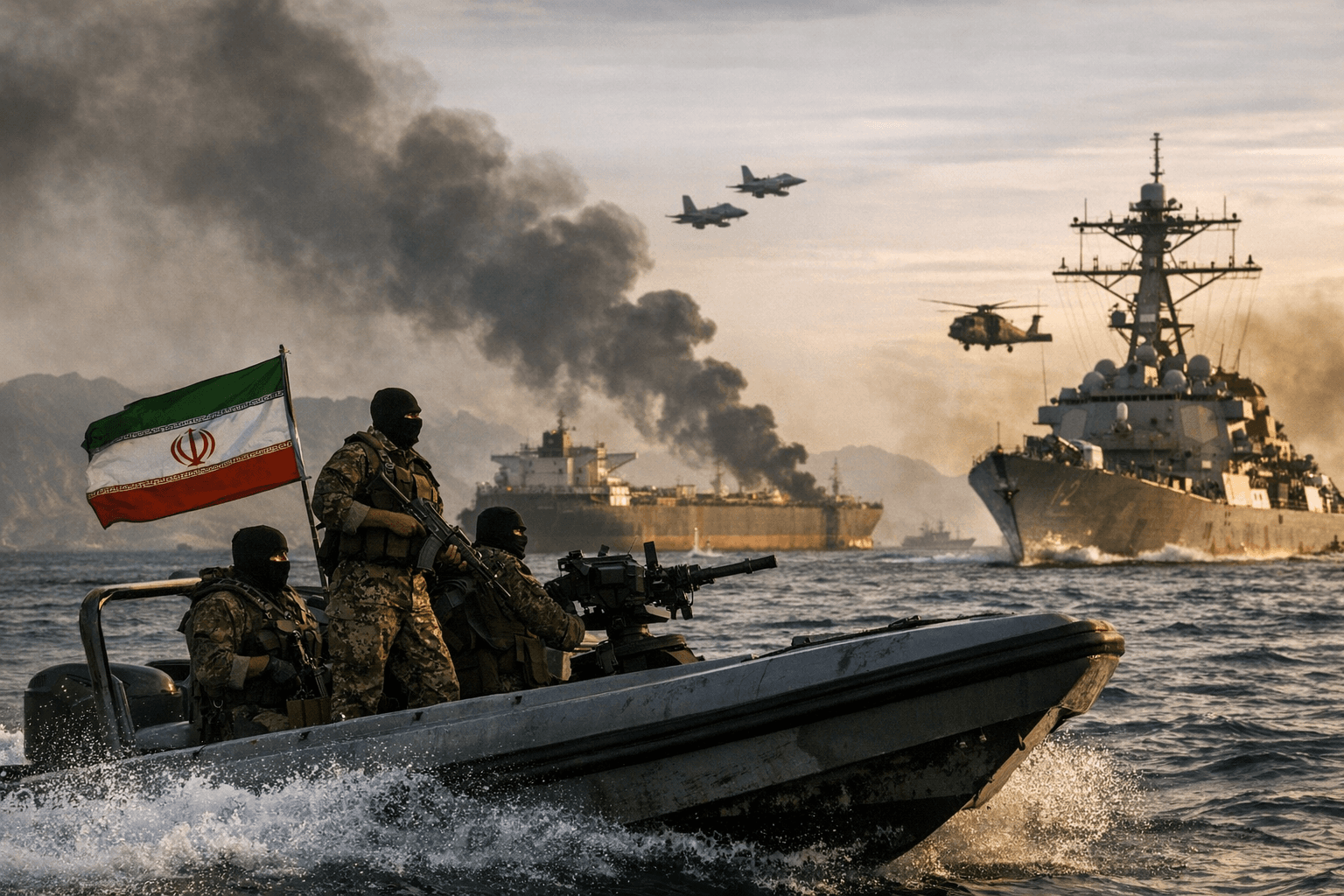
With hours left before his self-imposed 8 p.m. ET deadline, President Donald Trump threatened to destroy every power plant and bridge in Iran unless Tehran fully reopened the Strait of Hormuz to all shipping traffic by Tuesday evening. "A whole civilization will die tonight, never to be brought back again," Trump posted on social media, adding that the U.S. could achieve "complete demolition by 12 o'clock." A White House official confirmed to reporters that Operation Epic Fury, the joint U.S.-Israeli air campaign launched February 28, remains active.
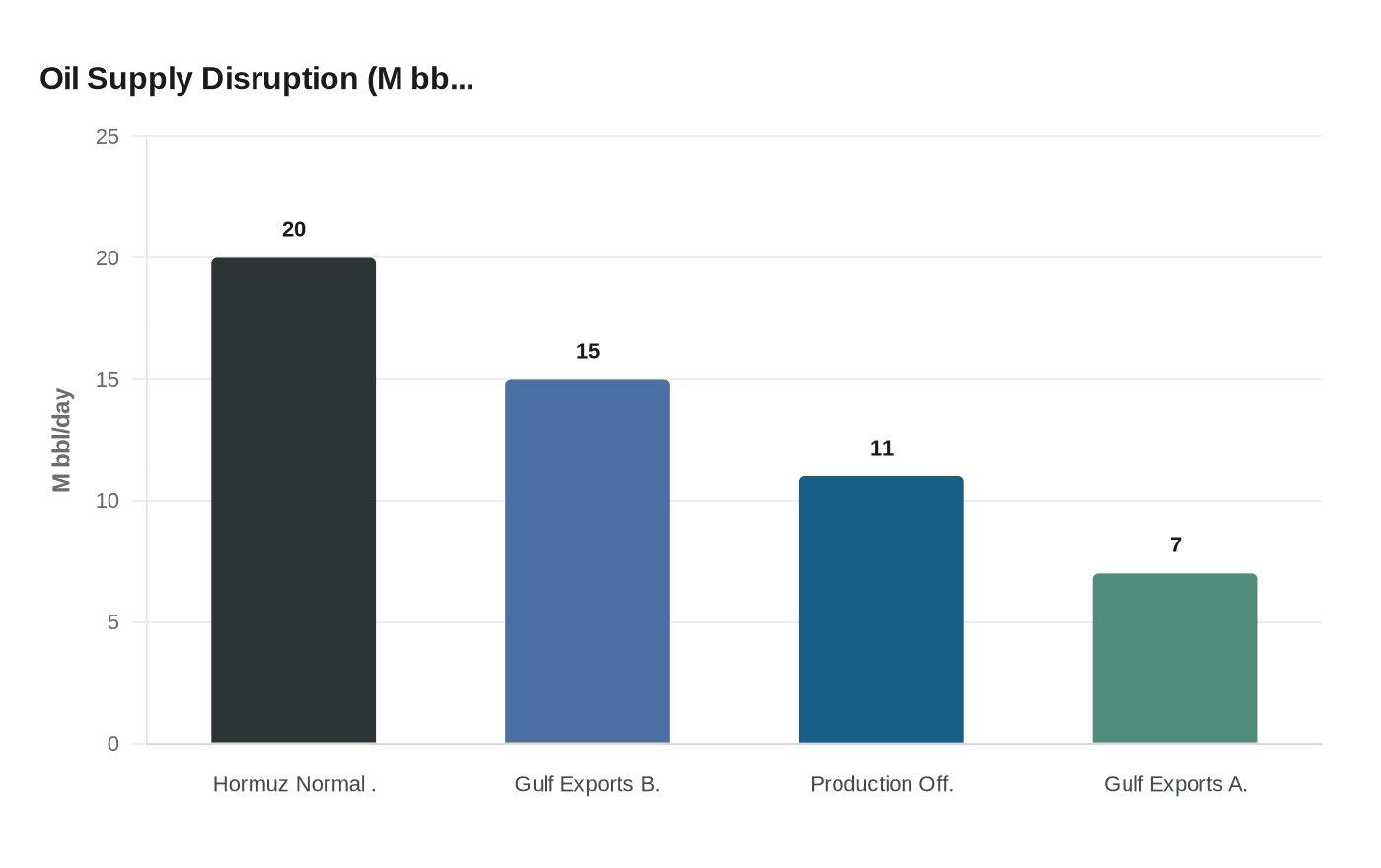
The war began when the United States and Israel executed a coordinated multi-domain surprise strike campaign against military, nuclear, and energy infrastructure across at least nine Iranian cities. Within hours, Israeli aircraft killed Supreme Leader Ali Khamenei in an attack on his compound; Iranian state media confirmed his death in the early hours of March 1. Iran's response was swift and consequential: the Islamic Revolutionary Guard Corps transmitted warnings via radio to vessels transiting the strait, effectively halting commercial shipping through a waterway that carried an average of 20 million barrels of oil per day in 2025, roughly 20% of global seaborne oil trade.
The International Energy Agency has called the resulting disruption "the largest supply disruption in the history of the global oil market." Brent crude surpassed $100 per barrel on March 8, the first time in four years, and peaked near $126 per barrel, with Wall Street analysts warning prices could surge toward $200 if the closure persists. The Federal Reserve Bank of Dallas estimated the disruption could cut global real GDP growth by an annualized 2.9 percentage points and push the average WTI price to $98 per barrel in the second quarter of 2026. Approximately 11 million barrels per day of crude production has been taken offline, with Middle East Gulf export volumes falling from 15 million to roughly 7 million barrels per day.
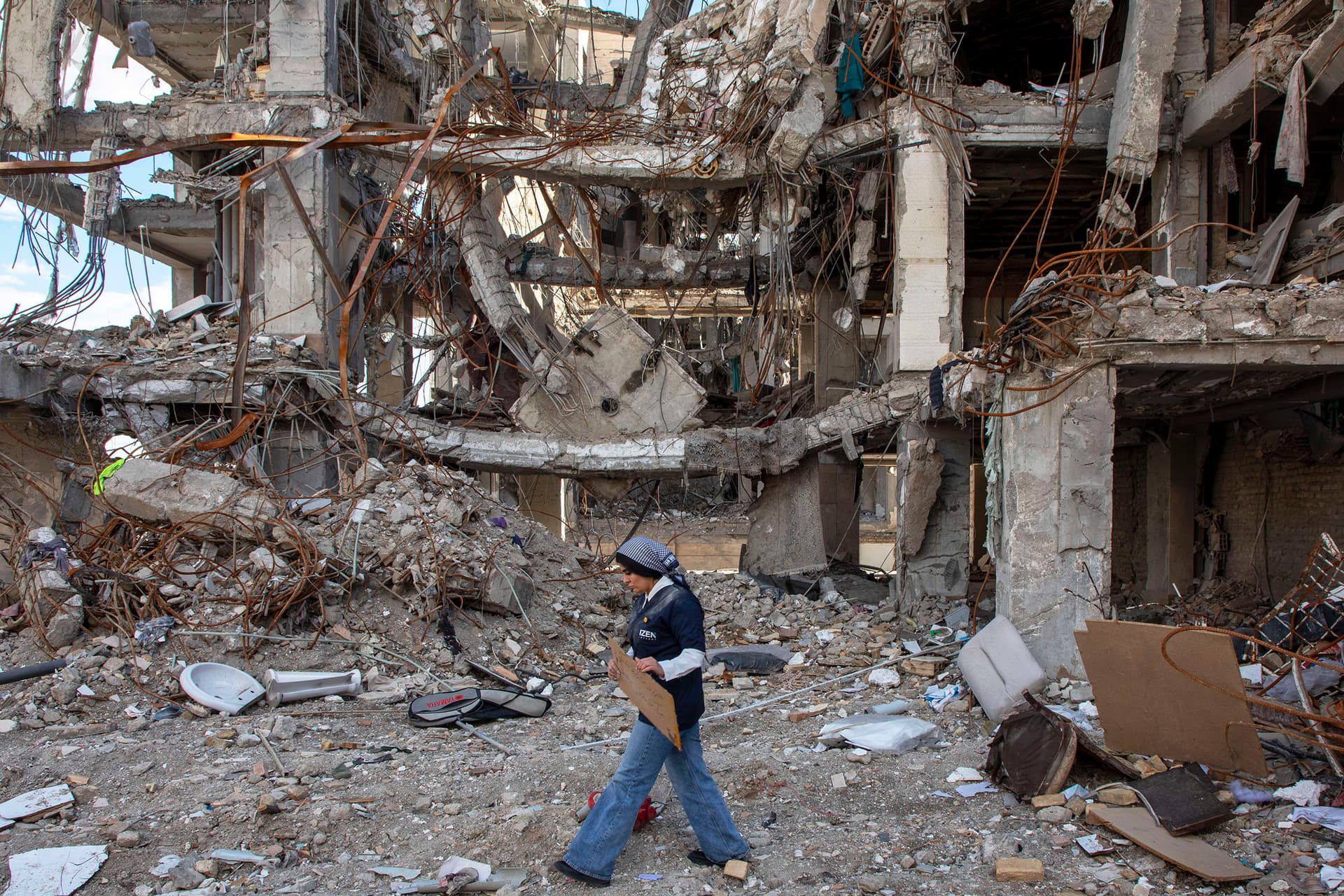
Israel accelerated its military pressure Monday and Tuesday ahead of the deadline. The IDF struck eight Iranian bridges, including crossings near Tehran, Karaj, and Tabriz, used to transport weapons and military equipment. Strikes also hit Iran's largest petrochemical facility at Asaluyeh, a site integral to both Iran's energy sector and the world's largest natural gas field, which Iran shares with Qatar. The IDF issued a public warning that "your presence on trains and near railway lines endangers your life," directing Iranian civilians to avoid the rail network through 9 p.m. Iran time Tuesday.
Diplomatic channels have produced no breakthrough. Washington transmitted a 15-point proposal through intermediaries on March 25; Iran rejected it. A Pakistani-brokered offer of a 45-day ceasefire to reopen the strait was also refused. Iran countered with its own 10-point proposal, demanding a halt to all U.S. and Israeli strikes, sanctions removal, and compensation, while insisting on a $2 million transit fee for every vessel passing through the strait. Iran partially reopened the chokepoint on April 5, exempting one neighboring country, but the broader closure remained. Tehran also warned of a "more severe and expansive" response if Trump followed through on his infrastructure threats, with the IRGC Naval Command stating that "the Strait of Hormuz will never return to its former state, especially for the US and Israel."
Oman emerged as a quiet back channel, with its Foreign Ministry confirming that its diplomats met with Iranian counterparts to discuss "ensuring the smooth flow of passage through the Strait of Hormuz." But those talks produced no agreement before the deadline. Iran also cut off direct negotiations with Washington ahead of Tuesday's 8 p.m. cutoff, according to reporting from the Wall Street Journal.
The strategic threat extends beyond Hormuz. Iran has warned it could also close the Bab al-Mandeb, the strait connecting the Red Sea to the Gulf of Aden. Combined closure of both chokepoints would block roughly a quarter of the world's energy supply. Kuwait, the UAE, and Saudi Arabia all activated air defense systems to intercept incoming Iranian missiles, and a ballistic missile struck a residential building in Haifa on April 6. Russia's Foreign Ministry condemned the original February 28 strikes as "a pre-planned and unprovoked act of aggression."
The economic damage extends well beyond crude oil. The strait's closure has disrupted liquefied natural gas exports and stranded roughly 6.5 million tonnes of annual monoethylene glycol shipments, a chemical essential to textiles, agriculture, and manufacturing. Europe, already operating at just 30% gas storage capacity after a harsh winter, faces a secondary energy crisis as Qatari LNG exports remain frozen. Approximately 80% of Gulf crude, representing close to 20% of global supply, flows east to Asian markets, meaning the pressure extends from Rotterdam to Tokyo. Whether the deadline produces a deal or a new wave of strikes will determine how much further that damage runs.
Sources:
Know something we missed? Have a correction or additional information?
Submit a Tip