U.S. and Israel strike across Iran as fighting engulfs Middle East
The United States and Israel have launched repeated strikes across Iran and the region, killing hundreds and displacing hundreds of thousands as missiles and interceptions ripple from Bahrain to Iraq.
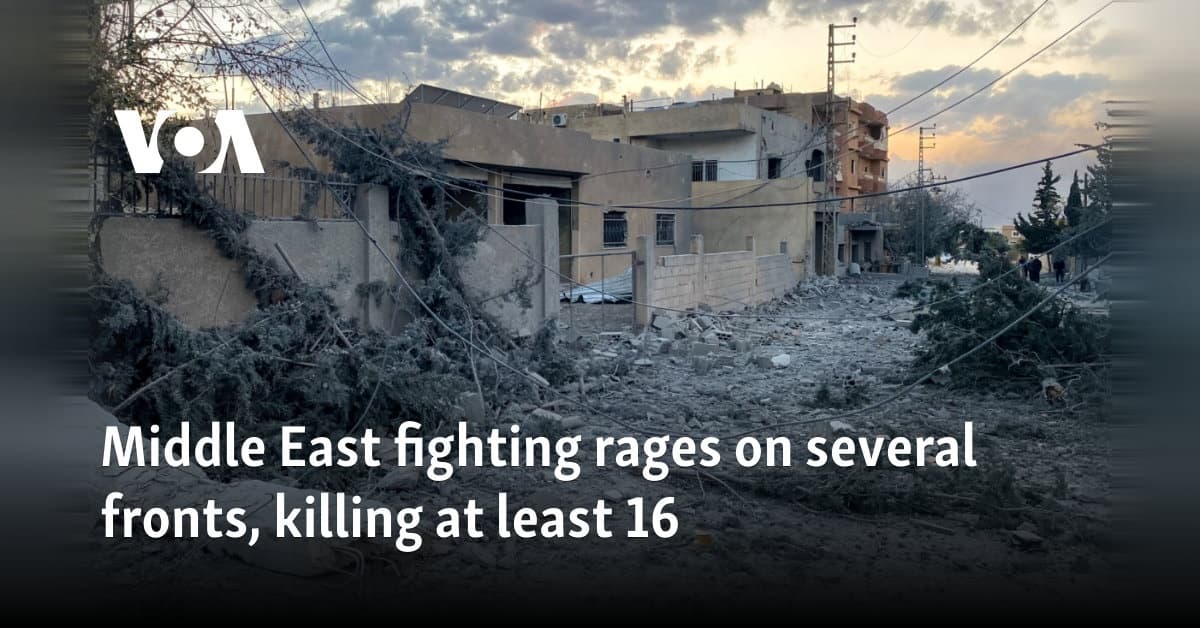
The United States and Israel have mounted a coordinated air campaign across Iran and the wider Middle East, killing hundreds and displacing hundreds of thousands as the conflict moved into its second week. Coalition strikes that began on February 28 included the killing of Iran's supreme leader, and subsequent exchanges have spread from Tehran to the Gulf and to Lebanon, Iraq and the Arabian Peninsula.
The Israeli military said it had launched "a broad-scale wave of strikes" overnight across Tehran and central Iran, including strikes that state media reported hit Mehrabad airport and that destroyed the Shahid Borujerdi residential complex during an operation described in some accounts as Operation Epic Fury. Iran responded with barrages of missiles at Gulf states and Israel; its Islamic Revolutionary Guard Corps said it was targeting U.S. bases and assets as part of operation "Truthful Promise 4."
Missile interceptions were reported across the region. Qatar, Bahrain, Jordan and Kuwait said they had intercepted missiles fired toward their territory, and Doha's defence ministry reported intercepting missiles apparently targeting al-Udeid, the largest U.S. base in the region. Video and eyewitness accounts showed plumes of black smoke near the U.S. Navy Fifth Fleet headquarters in Manama, though the extent of any damage remains unclear. In Dubai, a fire erupted after a strike hit the Fairmont The Palm hotel and four people were wounded in an "incident" at Dubai International Airport, the Dubai Media Office said, adding that concourse damage was minor.
Iraqi Kurdistan and northern Iraq also bore direct effects. Cross-border Iranian strikes damaged the Azadi Camp of the Kurdistan Democratic Party of Iran in Koye, east of Erbil, an area that hosts U.S.-led coalition troops and a major U.S. consulate complex. Explosions were reported in Tel Aviv; emergency services there said residents were allowed to leave shelters and that particular incidents produced no casualties.
The human toll has been severe. Hundreds of people have been killed, and hundreds of thousands displaced in the region, overwhelming hospitals and humanitarian corridors already stretched thin. International travel and shipping have been snarled and oil and gas prices have surged amid warnings that vital sea lanes may be affected; the UK Maritime Trade Operations reported that vessels had been warned the Strait of Hormuz could be shut off to shipping.
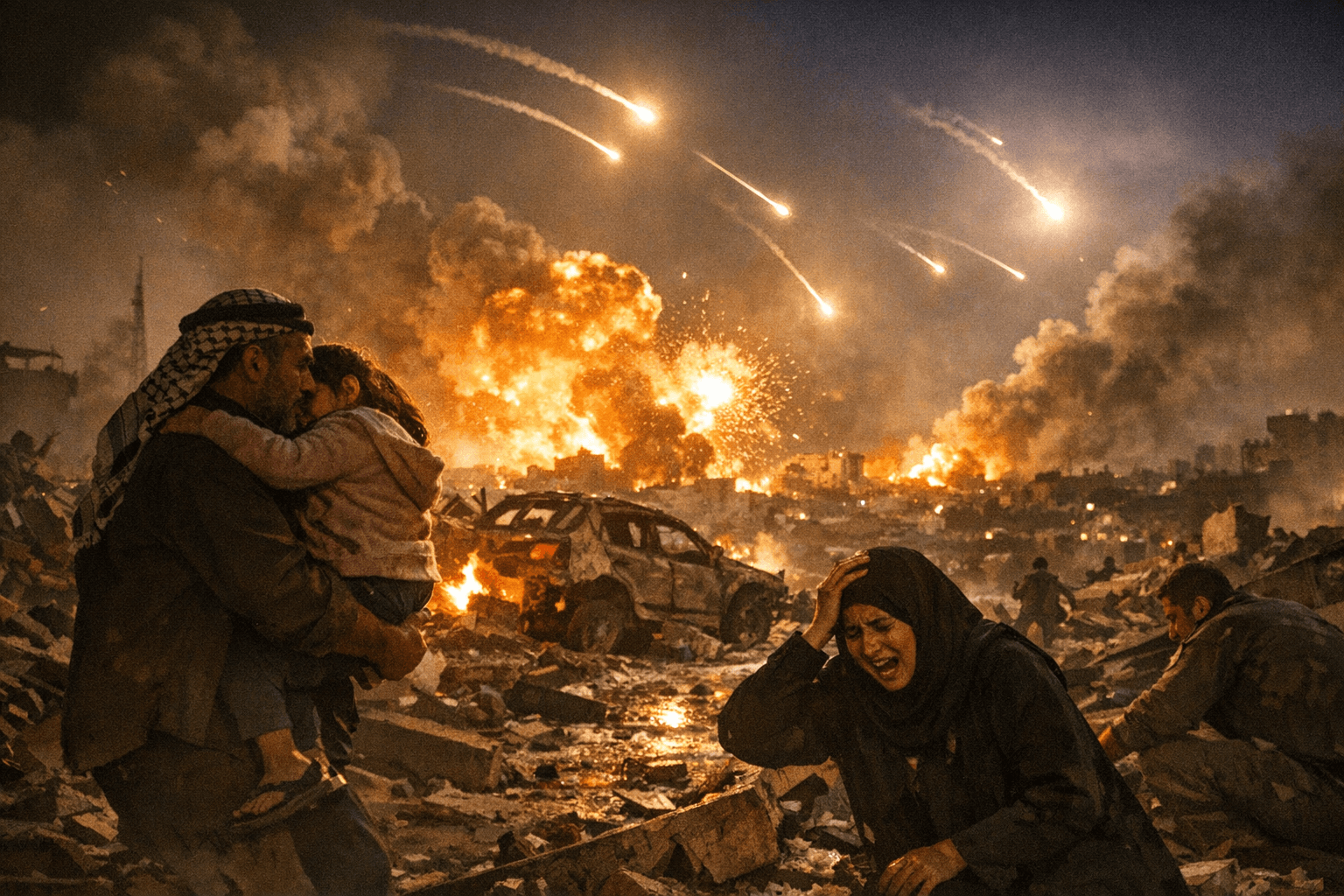
Political rhetoric has hardened. U.S. President Donald Trump demanded "unconditional surrender" as a requirement for a deal with Iran. From Yemen, a senior Houthi political official made a blunt threat: "The expansion of the conflict to include other countries, including Yemen, is only a matter of time, and our hands are on the trigger," Mohammed al-Bukhaiti said in a phone interview, adding, "Ultimately, the United States will be the biggest loser in this trajectory." Mixed messages from American and Iranian leaders have left no clear diplomatic off ramp.
Washington has moved to replenish munitions: the U.S. State Department "has made a determination approving a possible foreign military sale to Israel of munitions and munitions support worth $151.8 million, without congressional review," and designated that Israel had requested to buy "12,000 BLU-110A/B general-purpose, 1,000-pound bomb bodies." Reports also circulated that three U.S. fighter jets were accidentally shot down by Kuwaiti air defenses, a claim that military sources flagged and that requires further confirmation.
The conflict is no longer confined to battlefields inside any single state. Its rapid regionalization is complicating logistics, heightening civilian displacement and threatening global trade routes and energy markets, as governments race to protect bases, ports and airports while diplomats scramble to find any opening for de-escalation.
This article was produced by Prism’s automated news system from verified source data, official records, and press releases, then run through automated quality and moderation checks before publishing. The system is built and supervised by the people who set the standards it runs under. Read our full AI policy.
Did this article answer your question?