U.S. and NATO scale back Baltic Sea drills, still signal resolve
NATO's Baltic Sea exercise will shrink to about 20 ships and 6,000 troops, but the USS Mount Whitney-led drill still aims to warn Moscow.

The Baltic Sea’s biggest annual naval exercise is getting smaller, not quieter. About 20 vessels from 15 nations and roughly 6,000 personnel will join BALTOPS 2026, a force that is about half the size of last year’s drills but still built to show that NATO’s maritime coalition is intact.
The exercise is set for June 4 to June 19, according to the Finnish Navy Command, and will be led by the U.S. 6th Fleet together with STRIKFORNATO under the NATO Arctic Sentry umbrella. Planning for the drill was hashed out in Turku on April 14-16, when nearly 160 allied planners focused on surface and submarine defense, amphibious operations and air defense. The USS Mount Whitney will serve as the U.S. flagship, and the drill will still rehearse the most sensitive tasks in the Baltic theater, including protecting supply routes and resupply around Sweden’s Gotland island.
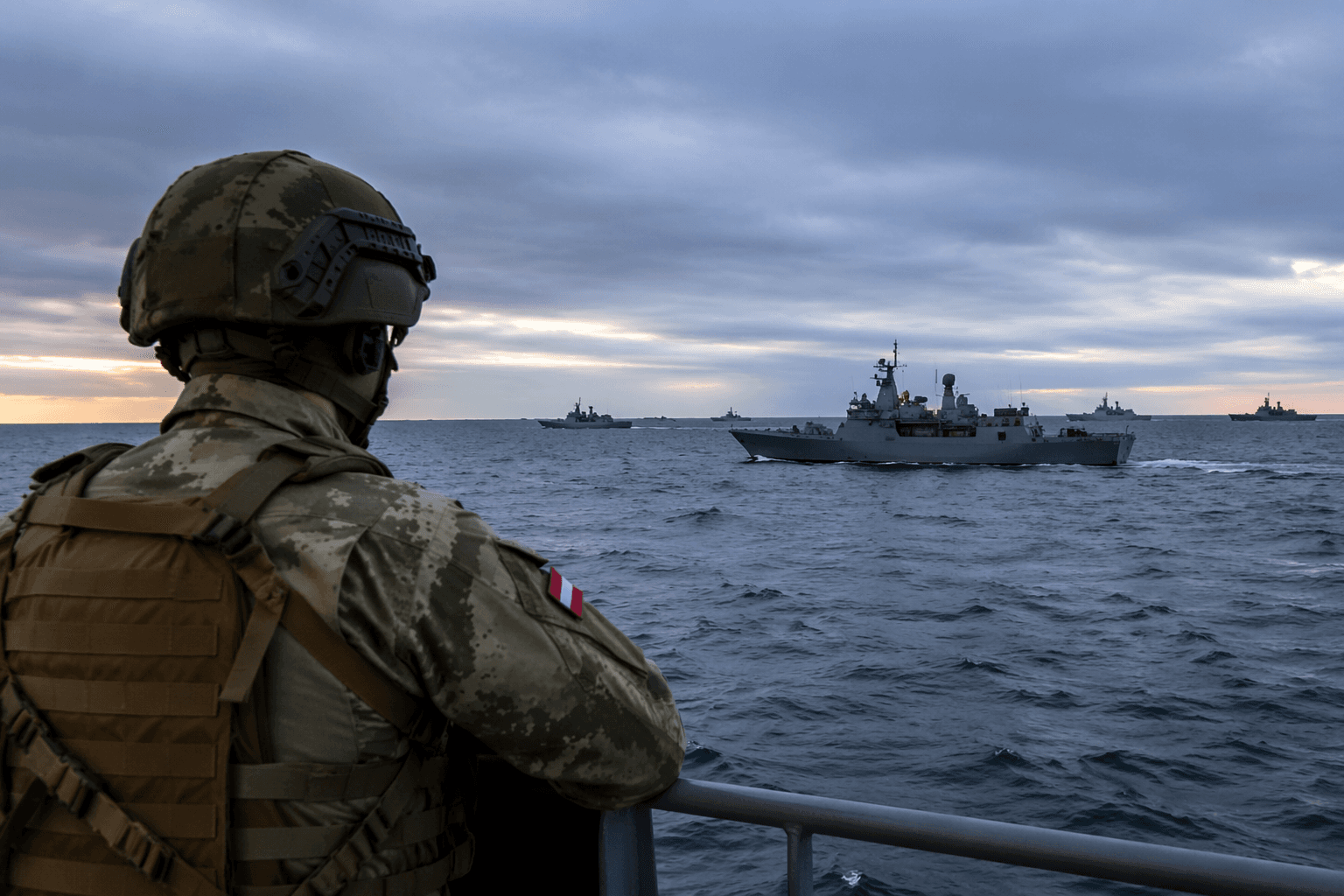
German Rear Admiral Stephan Haisch said the reduced footprint reflects operational realities, not a softer line. Western navies are stretched by crises elsewhere, including the Middle East and the Arctic, and that strain has forced allies to think harder about where they concentrate ships, aircraft and crews. Even so, Haisch said the exercise still sends a message of unity and strength, a reminder that smaller formations can still be organized for a large political effect.
That distinction matters because BALTOPS is being held in a year of sharp criticism of NATO from President Donald Trump and amid plans to reduce U.S. commitments to the alliance. A leaner exercise could be read three ways: as a logistics answer to overloaded fleets, as a strategic choice to keep forces ready without overcommitting, or as a way to avoid escalation while still demonstrating capability. Each reading carries a signal to Moscow. If the reduction is practical, NATO is saying it can still mobilize under strain. If it is strategic, the alliance is signaling that deterrence now depends on agility as much as mass. If it is meant to limit provocation, the message is that restraint does not equal retreat.
BALTOPS has been run since 1971, giving this year’s slimmer formation more than five decades of precedent behind it. The U.S. Department of War said the 2025 exercise involved 16 NATO allies, more than 40 ships, more than 25 aircraft and about 9,000 personnel, underscoring how much NATO is compressing the show of force while trying to keep the political meaning unchanged.
This article was produced by Prism’s automated news system from verified source data, official records, and press releases, then run through automated quality and moderation checks before publishing. The system is built and supervised by the people who set the standards it runs under. Read our full AI policy.
Know something we missed? Have a correction or additional information?
Submit a Tip