U.S. and states settle egg price manipulation probe with producers
Egg producers agreed to pay $3.3 million and donate 53 million eggs after investigators probed alleged price coordination that helped push prices to $6.22 a dozen.
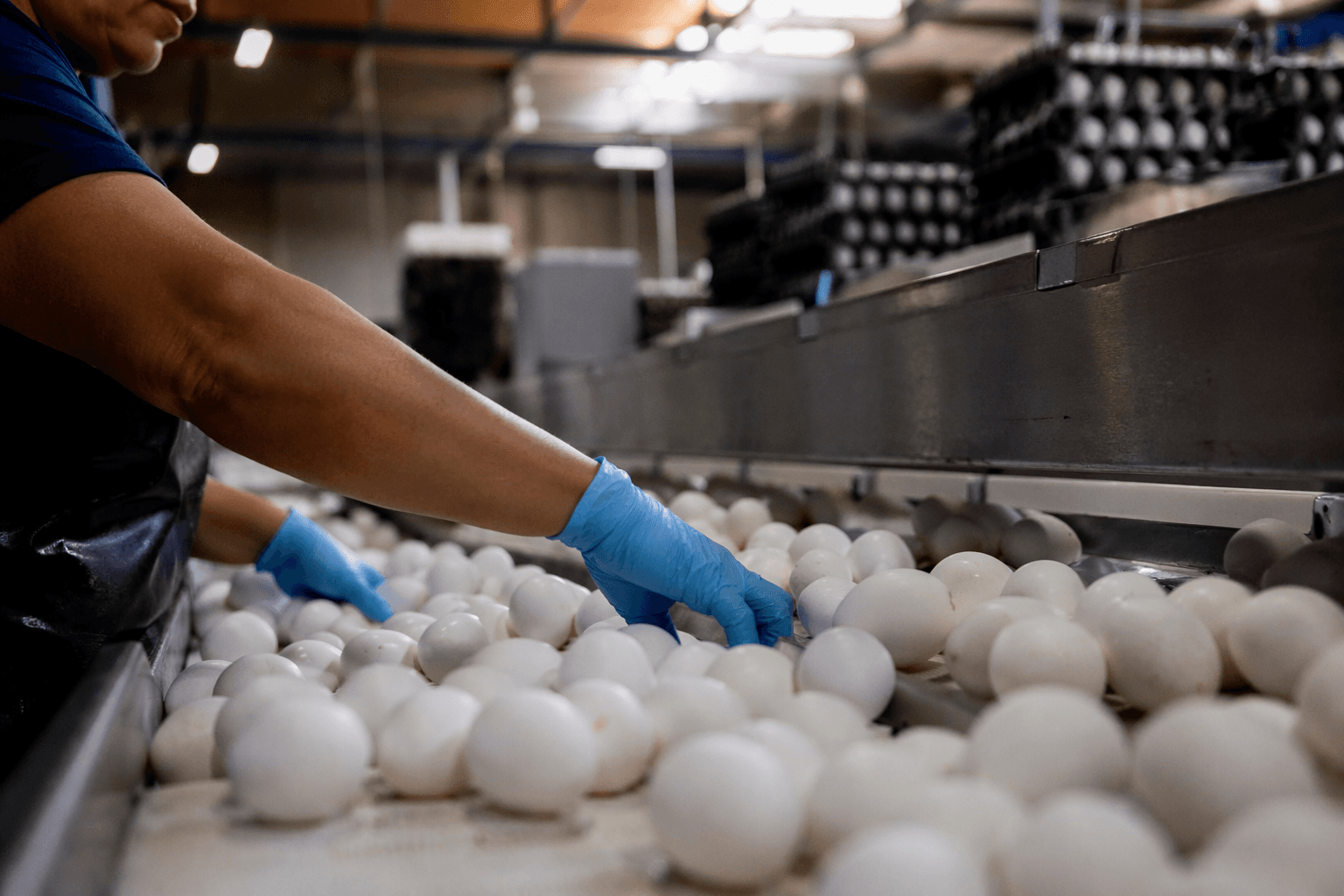
The Justice Department and a coalition of 17 states settled their egg-price manipulation probe with three major producers, forcing cash payments, egg donations and new compliance rules on a market that had become a household pain point. The agreement covered Cal-Maine Foods, Versova and Hickman’s Egg Ranch and was announced by the New York attorney general’s office.
The companies will pay $3.3 million in total and donate 53 million eggs to food banks and nonprofit organizations across participating states. Cal-Maine separately said it would pay $1.5 million to the states and donate 30 million eggs, while also agreeing to compliance and reporting measures. Cal-Maine said it was not assessed any fines or penalties and denied wrongdoing. Versova and Hickman’s did not immediately respond to requests for comment.
The case centered on allegations that egg producers coordinated pricing through an industry price-benchmarking service and exchanged competitively sensitive information. Earlier reporting tied the Justice Department’s antitrust push into the egg industry to soaring prices, with eggs rising from less than $2 to as much as $6.22 per dozen by March 2025. A related complaint described the conduct period as running from 2022 to 2025.
The settlement gives the case a food-security dimension as well as a competition-law one. Food banks in New York and Vermont are among the groups set to split part of the donation, and the broader pool will be distributed across participating states. That structure matters because it turns a price-fixing probe into an immediate supply of food for charities and vulnerable households, not just a financial penalty for the companies involved.

The states’ participation underscores how quickly egg prices became a political issue, not simply a market one. Federal and state officials had enough evidence to press the companies into a negotiated resolution, and the result pairs modest monetary payments with a much larger in-kind remedy. For consumers, the practical question remains whether the settlement deters similar conduct in a food market that changes sharply when prices spike and attention turns from antitrust theory to the grocery bill.
This article was produced by Prism’s automated news system from verified source data, official records, and press releases, then run through automated quality and moderation checks before publishing. The system is built and supervised by the people who set the standards it runs under. Read our full AI policy.
Did this article answer your question?