U.S. awards SandboxAQ $500 million to tackle chipmaking bottlenecks
Washington gave SandboxAQ $500 million to hunt PFAS replacements and rare earth-free magnets, pushing CHIPS money upstream into chipmaking inputs.
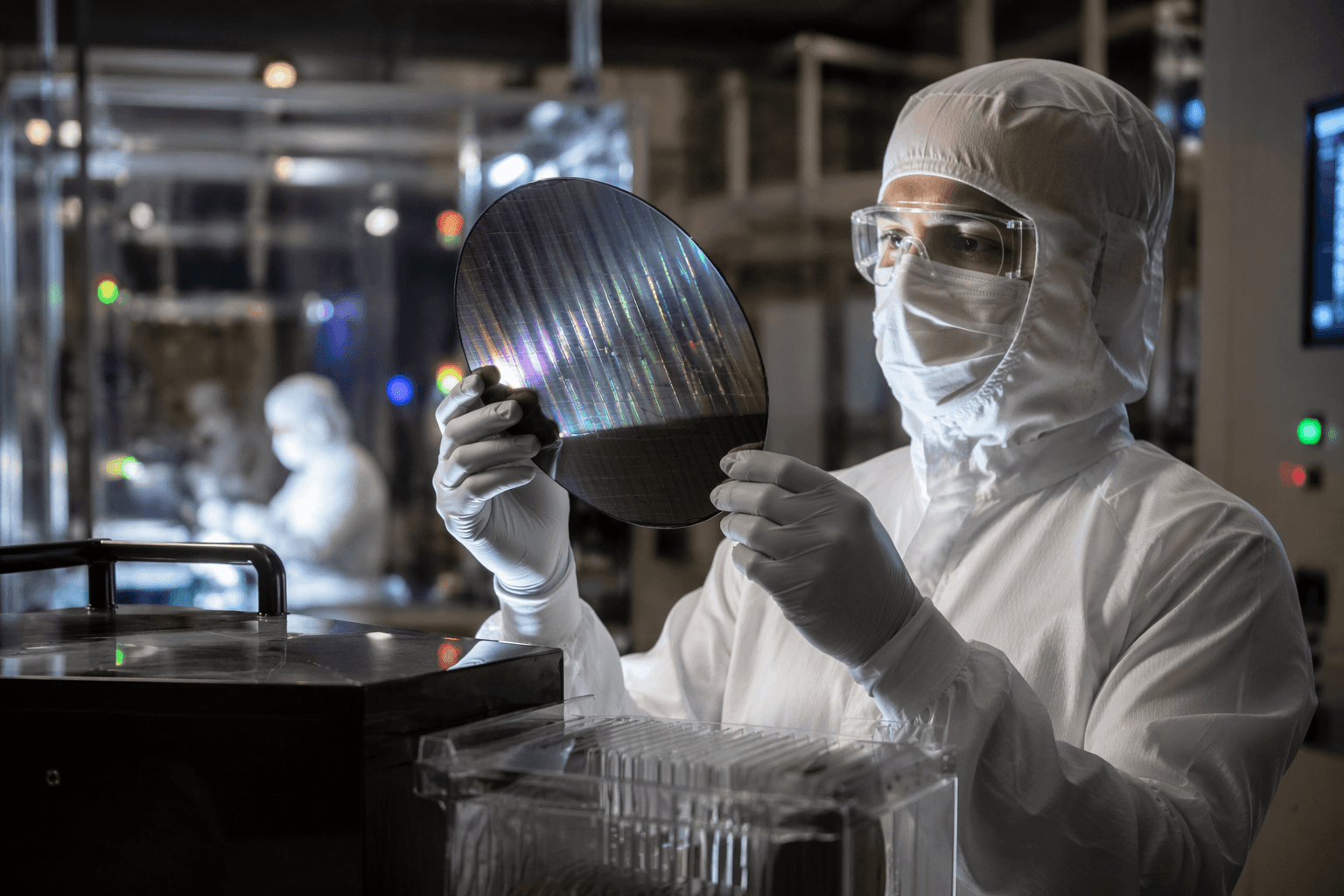
Washington put $500 million behind SandboxAQ’s push to crack some of the semiconductor industry’s hardest materials problems, marking one of the clearest signs yet that CHIPS money is moving beyond fabs and into the upstream chemistry that keeps them running. The Commerce Department’s CHIPS Research & Development Office said it signed a definitive agreement with the Palo Alto startup under the CHIPS and Science Act to accelerate AI-driven materials discovery across PFAS-free process chemicals, catalysts, rare earth-free magnets and battery systems.
The public health stakes are hard to miss. One of the award’s core targets is PFAS, the persistent “forever chemicals” used in chipmaking for heat-transfer fluids, lubricants, insulating coatings and surface treatments. The Commerce Department said the work is meant to develop PFAS-free process chemicals that meet fab-equipment performance requirements without introducing environmental toxicity or bioaccumulation risks, a rare case where industrial policy and contamination prevention point in the same direction.
The deal also reaches into national security territory. Commerce said it would take a minority, non-voting equity stake in SandboxAQ, underscoring how aggressively Washington is trying to reduce dependence on foreign-controlled materials. The company’s other targets include advanced catalysts for semiconductor fabrication, rare earth-free magnets, and battery chemistries for backup power systems, all of them inputs that can become choke points long before a chip reaches a clean room. The policy push mirrors the department’s recent CHIPS support for USA Rare Earth’s mine-to-magnet strategy, another signal that critical minerals and magnet supply chains are now part of semiconductor strategy, not a separate industrial side project.
SandboxAQ brings unusual scale to the assignment. The company said it has raised more than $950 million since spinning out from Alphabet in 2022, while later reporting put total funding above $1 billion after additional financing. It was valued at $5.75 billion in April 2025, and its backers include Google, Nvidia, BNP Paribas and Ray Dalio. SandboxAQ says its Large Quantitative Models are trained on physics, chemistry and biology rather than human language, and the company says that approach has already been applied to biotechnology and quantum navigation sensors. Its April 2025 collaboration with Nvidia also pointed to a broader ambition in biopharma, chemicals, advanced materials and medical imaging, the kind of cross-sector platform Washington is now betting can harden the semiconductor supply chain from the molecule up.
This article was produced by Prism’s automated news system from verified source data, official records, and press releases, then run through automated quality and moderation checks before publishing. The system is built and supervised by the people who set the standards it runs under. Read our full AI policy.
Did this article answer your question?