U.S. Bars Visas for Honduran Electoral Officials, Escalating Tensions
The U.S. State Department announced visa restrictions on senior Honduran electoral officials as a chaotic recount of the Nov. 30 presidential vote continues, refusing one application and revoking another. The move deepens diplomatic strain, complicates efforts to restore confidence in the count, and raises questions about how external pressure will affect Honduras’s fragile political landscape.
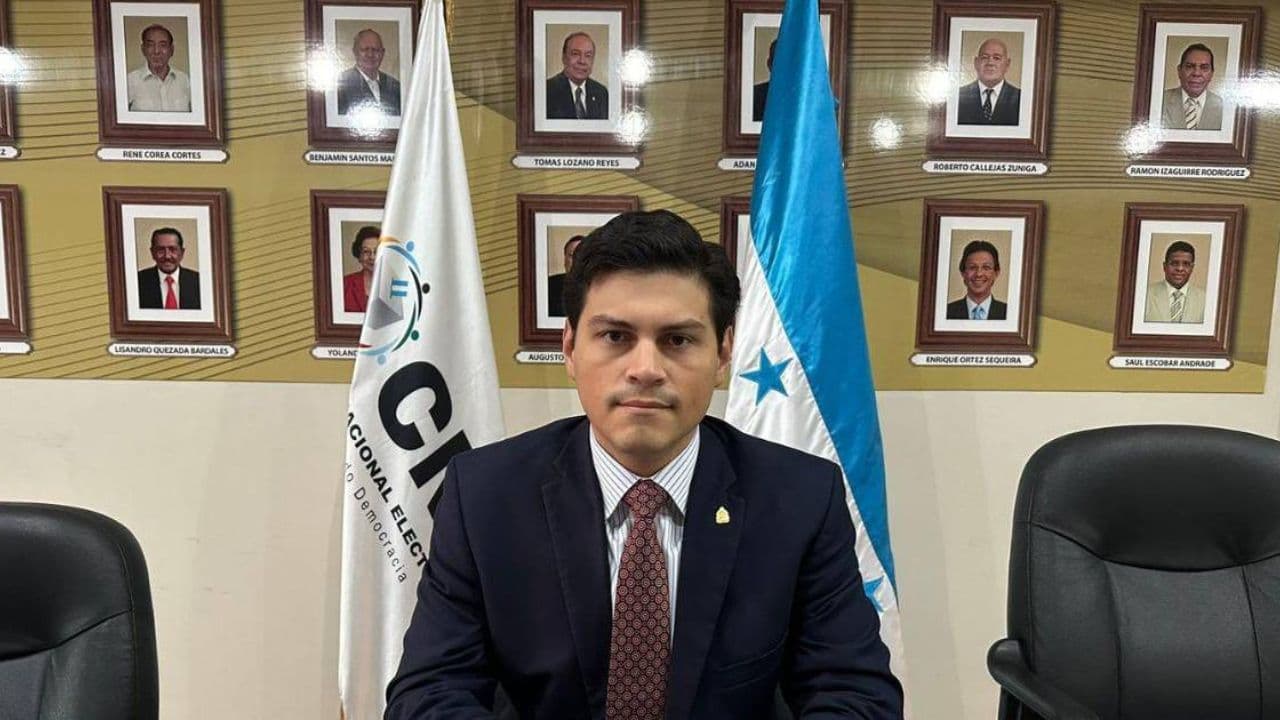
The United States on Dec. 19 and 20 imposed visa restrictions on senior Honduran electoral officials, the State Department said, in response to what Washington described as actions that have undermined the country’s democratic process during an unsettled recount. Secretary of State Marco Rubio announced that the Department had refused the visa application of Marlon Ochoa and taken steps to impose restrictions on other officials, adding “We will consider all appropriate measures to deter those impeding the vote count in Honduras.” He framed the targeted actions as measures against those “undermining democracy in Honduras.”
Marlon Ochoa, identified by U.S. statements as a member of the National Electoral Council, was photographed addressing the media in Tegucigalpa on Dec. 4. Authorities say Mario Morazán, the head of Honduras’s electoral court, had his visa revoked as part of the U.S. measures. The State Department offered the visa actions as narrowly focused steps intended to protect the integrity of the post election process.
Honduras’s presidential contest, held on Nov. 30, remains unresolved into mid December. The post election period has been marked by technical failures in the vote tallying system, allegations of irregularities and a stalled manual review of suspect tally sheets. The recount process has unfolded amid mass demonstrations and high political tension, and President Xiomara Castro has accused opponents of orchestrating an “electoral coup.”
Operational obstructions have added to the impasse. Supporters of the Liberty and Refoundation party held sustained protests outside the presidential palace in Tegucigalpa and around the electoral authorities’ workplace, which officials say prevented staff from entering to carry out a manual count. Ana Paola Hall, president of the National Electoral Council, said on Tuesday night that “our officials cannot enter to perform their duties.” In a written document to council members she also argued there is no legal basis for ordering a full manual recount unless concrete evidence of irregularities is presented.

The Washington measures reflect a growing international impatience over the slow and contested process of certifying results. Visa restrictions are a familiar tool of U.S. diplomacy, allowing targeted pressure without severing formal relations. But they also risk hardening domestic narratives of foreign interference, a dynamic that could strengthen nationalist or anti American rhetoric among opponents of the U.S. action and complicate mediation.
Legal and diplomatic scholars note that visa refusals and revocations are within sovereign prerogative and carry fewer procedural safeguards than criminal or economic sanctions. Yet the political symbolism is potent. For a country already confronting polarized institutions and fragile rule of law, external pressure may help prompt corrective action or further inflame distrust depending on how Honduran leaders and institutions respond.
For now the central question remains whether Honduran officials can complete a credible, transparent resolution of the vote count that satisfies domestic and international observers. The U.S. has signaled willingness to escalate if it judges obstruction continued, while Honduran authorities and protesters remain locked in a contest over access, legal standards and political legitimacy. The outcome will shape Honduras’s domestic order and influence regional stability at a moment of deep polarization.
This article was produced by Prism’s automated news system from verified source data, official records, and press releases, then run through automated quality and moderation checks before publishing. The system is built and supervised by the people who set the standards it runs under. Read our full AI policy.
Did this article answer your question?