U.S. beef producers seek China export breakthrough at Trump-Xi summit
U.S. beef exporters want Trump and Xi to revive access to China, where more than 400 plants lost eligibility and U.S. shipments have fallen far behind rivals.
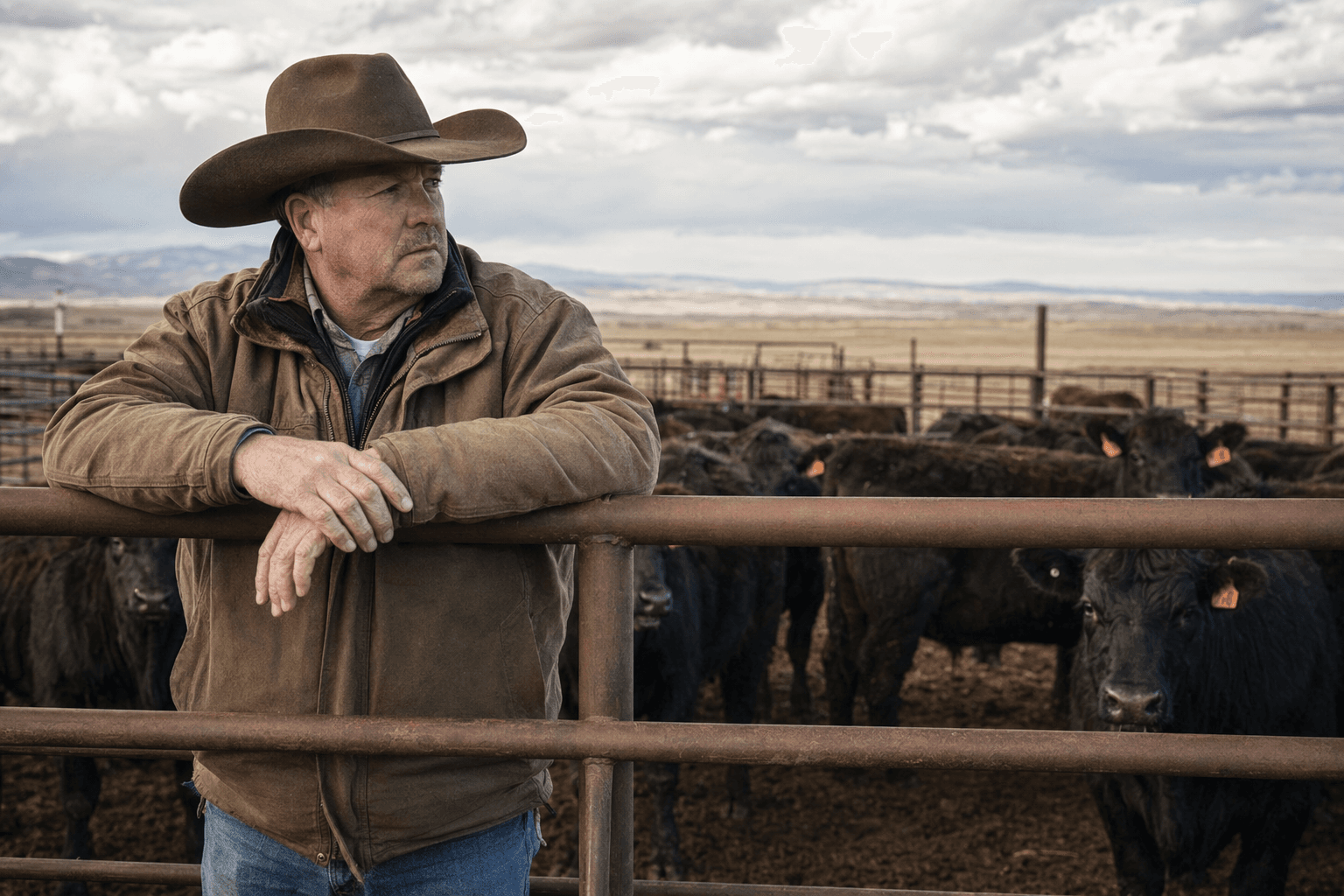
U.S. beef producers are pressing for a China breakthrough at the May 14-15 Trump-Xi summit, betting that summit diplomacy can restore access to a market that once delivered billions in sales but has since slipped out of reach for much of the industry.
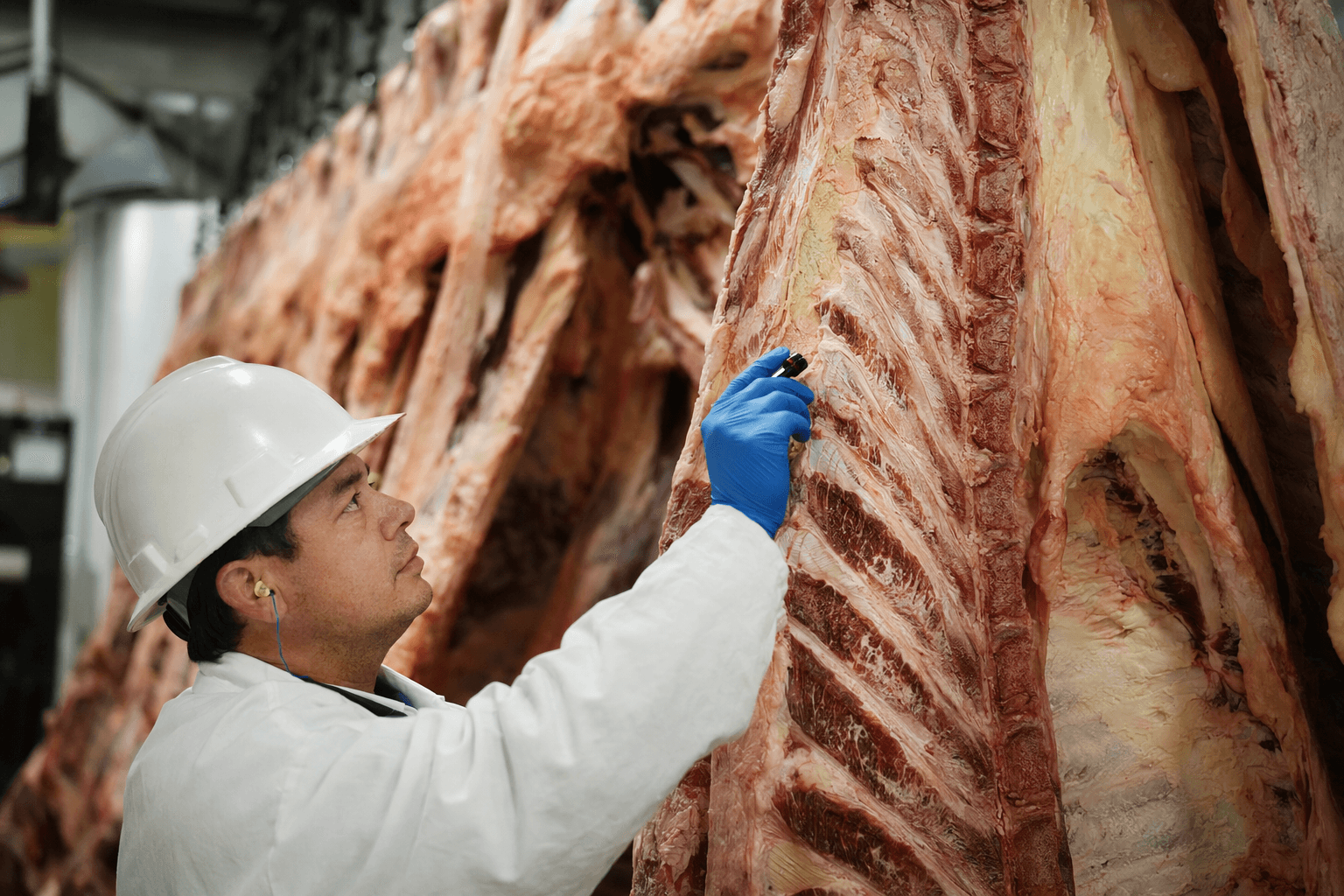
The immediate demand is simple: renew the registrations that allow U.S. plants to ship beef to China. More than 400 U.S. beef plants lost export eligibility over the past year after registrations granted between March 2020 and April 2021 were allowed to expire, leaving about 65% of the once-registered plants shut out. Another three registrations are set to lapse in June. U.S. beef exports to China peaked at $1.7 billion in 2022, but the trade has been whittled down as Beijing let those permissions roll off without fully explaining why, despite the Phase One trade deal signed on January 15, 2020.
Industry officials say the issue has now moved onto the summit agenda. White House staff recently told producers the matter would be discussed, and United States Cattlemen's Association president Justin Tupper said, "It will" be part of the discussion. For producers, the stakes are bigger than one export channel: China is the world’s biggest growth market for protein, and even partial relief could help offset a domestic cattle cycle that is still tight.
That domestic squeeze matters. The U.S. Department of Agriculture says cattle production accounted for about 22% of total cash receipts for U.S. agricultural commodities in 2024, making it the most important agricultural sector in the country. The cattle cycle typically lasts 8 to 12 years, and the current phase has been constrained by drought and years of herd liquidation. With U.S. cattle supplies shrinking, beef prices have climbed to record levels, reducing exportable surplus even as imports rise.
China has also changed the rules around the market. In December 2025, Beijing introduced a beef import quota system and set the 2026 quota at 2.7 million metric tons, roughly in line with its record 2024 import total of 2.87 million tons. Imports above quota face a 55% tariff for major suppliers such as the U.S. and Australia. Even if access is restored, some Chinese industry participants doubt it would unleash a surge, citing the tariff gap and China’s competitive domestic cattle sector.
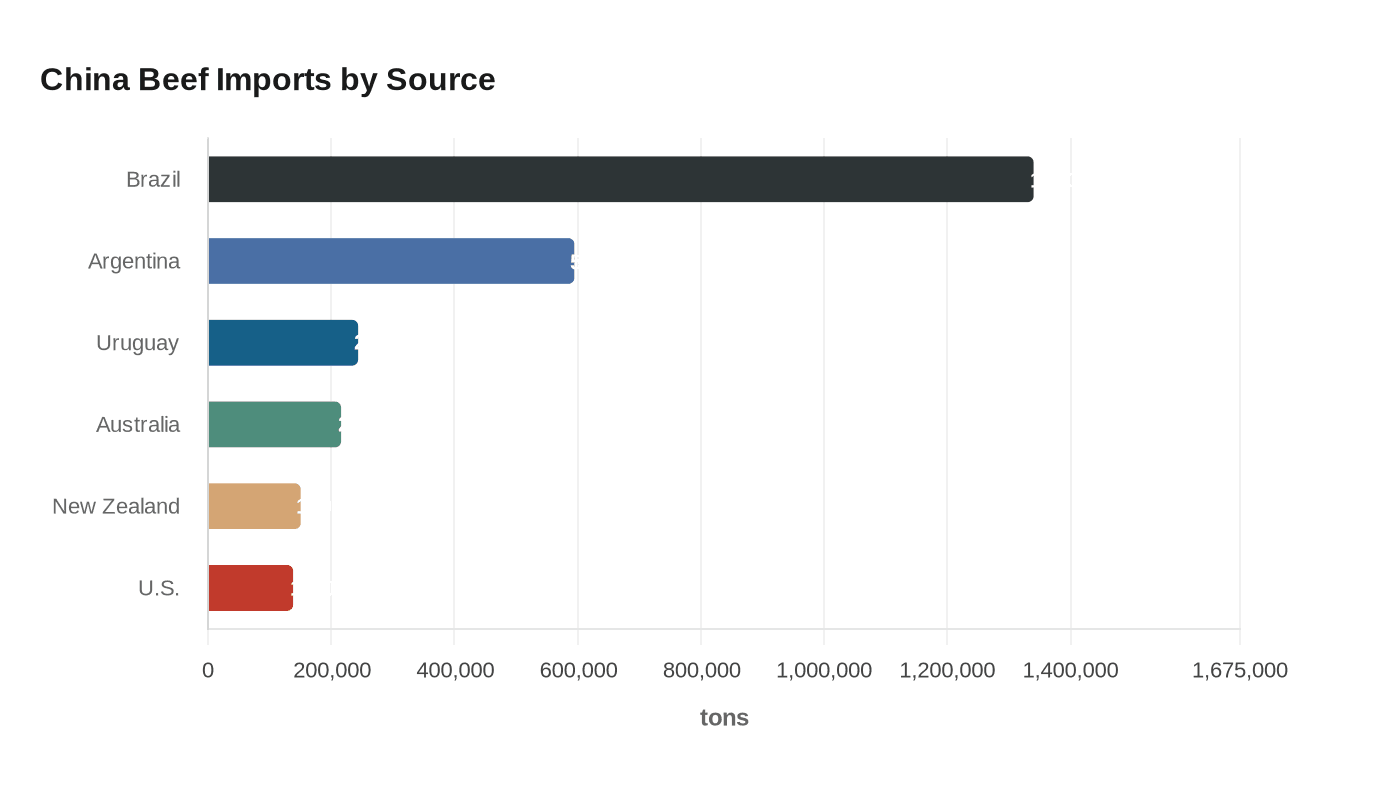
The numbers show how far the U.S. has fallen behind. In 2024, China bought 1.34 million tons from Brazil, 594,567 tons from Argentina, 243,662 tons from Uruguay, 216,050 tons from Australia, 150,514 tons from New Zealand and just 138,112 tons from the U.S. U.S. beef shipments resumed to China in June 2017 after a 14-year ban that began in 2003 over BSE concerns, but the promise of the 2020 deal has been partly reversed by the lapse in registrations. With Australia already more than halfway through its quota in the first quarter of 2026, Beijing still has room to diversify supply, and U.S. producers are hoping Trump and Xi turn that opening into concrete relief.
This article was produced by Prism’s automated news system from verified source data, official records, and press releases, then run through automated quality and moderation checks before publishing. The system is built and supervised by the people who set the standards it runs under. Read our full AI policy.
Did this article answer your question?

