U.S.-brokered Iran ceasefire falters as talks stall, costs soar
A ceasefire meant to open talks in Islamabad is unraveling as the Strait of Hormuz tightens and war costs hit $16.5 billion.
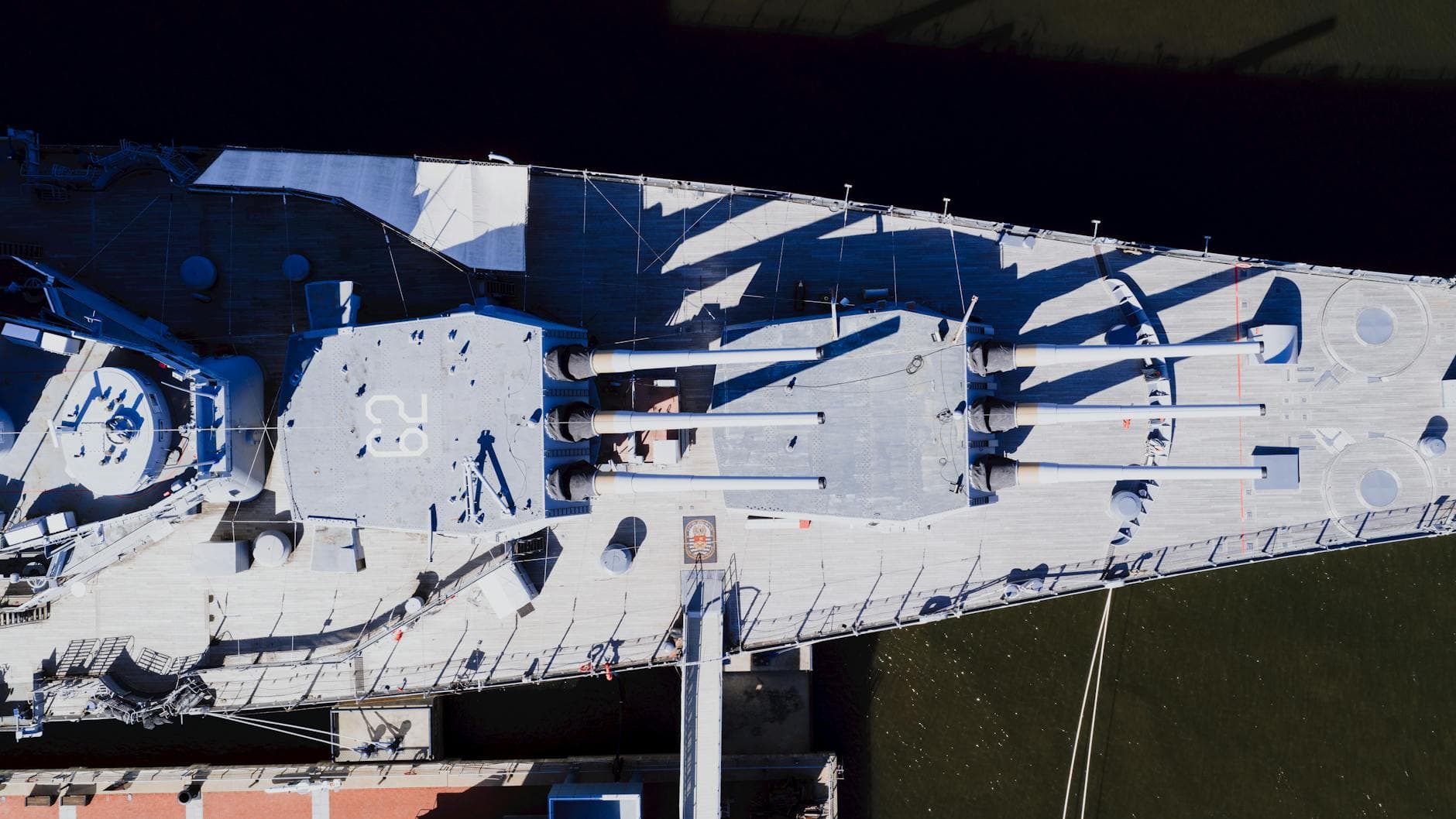
The U.S.-brokered ceasefire was meant to open a path to talks in Islamabad, Pakistan, but the fighting has instead exposed how fragile the diplomatic track remains. Analysts said Iranian decision-making was still fragmented on April 22, with Tehran unable to settle on a unified position for negotiations, even as the Islamic Revolutionary Guards Corps Navy attacked and likely redirected two vessels toward Iran in the Strait of Hormuz. Four days later, Reuters reported that only five ships, including one Iranian oil products tanker, crossed the strait in a 24-hour period, a stark sign that the conflict was already disrupting a chokepoint that carries much of the world’s energy traffic.
The military bill has climbed just as quickly. A Center for Strategic and International Studies report updated April 24 estimated that the early U.S. strikes on Iran had cost $11.3 billion by day 6 and $16.5 billion over 12 days. The same assessment said U.S. missile inventories had been depleted, even though Washington still had enough to keep fighting in the near term. Another warning reaching the White House and Congress pointed to shortfalls in key precision munitions, underscoring that the war has already begun to strain the arsenal needed for a longer campaign.
That is the backdrop for Adam Smith, the ranking member of the House Armed Services Committee, who has become one of the sharpest Democratic critics of the conflict. On March 27, he led committee Democrats in demanding an open hearing with the Department of Defense, saying the administration had failed to keep Congress and the public informed. The letter said the conflict had already killed 13 U.S. service members, wounded 290, and caused over a thousand civilian deaths. Smith said on April 5 that the war was a "mistake" in part because of its cost and because the United States had no plan for a better end state.
Smith has also rejected the White House’s threats to widen the war by striking civilian infrastructure. On April 7, he said threats to destroy Iranian bridges and power plants were dangerous and counterproductive, and that bombing infrastructure would harden support for the regime rather than push Tehran toward concessions. He said the administration’s stated aims, influencing Iran’s nuclear program, ballistic missiles, and support for terrorism, could not be achieved by broadening suffering across the Middle East.
What remains now is a stripped-down status quo: a ceasefire on paper, stalled talks in practice, and a military balance that is still costly enough to continue but too unstable to claim success. The administration says negotiations are progressing even as Iranian officials deny a meeting is planned, while Congress presses for authorization and oversight. The result is strategic drift, with the country paying more each day for a conflict that has yet to produce a durable gain.
This article was produced by Prism’s automated news system from verified source data, official records, and press releases, then run through automated quality and moderation checks before publishing. The system is built and supervised by the people who set the standards it runs under. Read our full AI policy.
Did this article answer your question?


