U.S.-brokered Israel-Lebanon ceasefire begins as Iranian port blockade continues
A fragile 10-day truce in Lebanon starts as the U.S. blockade on Iranian ports tightens pressure on Tehran and the wider conflict.
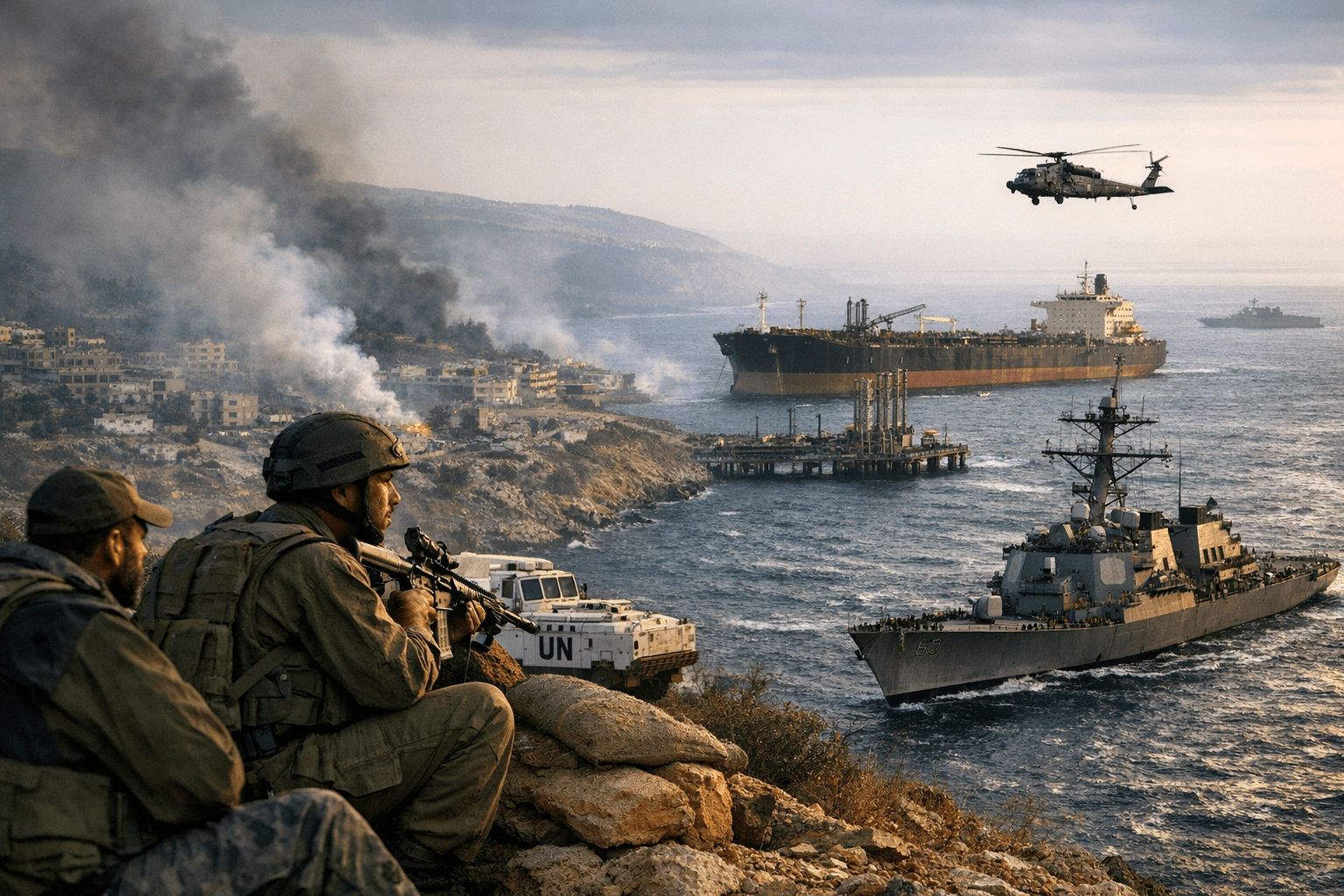
A U.S.-brokered 10-day ceasefire began between Israel and Lebanon with the guns still hot around a broader regional confrontation, while Washington kept its blockade of Iranian ports in place for a fourth day. The pairing looks less like a clean break than a test of whether the United States can freeze two fronts at once: Israel-Lebanon fighting on one side, and maritime pressure on Iran on the other.
The State Department said the cessation of hostilities took effect at 5 p.m. EST on April 16 after productive direct talks on April 14. The agreement says Israel and Lebanon are not at war and should enter good-faith direct negotiations facilitated by the United States. It also says the truce may be extended by mutual agreement if the talks produce progress, giving the next 10 days unusual weight.
The pressure points are immediate. The text calls on Lebanon to ensure that only its security forces are authorized to bear arms, a direct challenge to Hezbollah’s armed role inside the country. Reuters reported that Israel said it would keep troops in southern Lebanon and would respond if threatened, while Hezbollah said the Lebanese people have the right to resist if Israeli forces remain in Lebanon. That leaves the ceasefire dependent not just on silence at the border, but on whether either side moves troops, holds fire and accepts limits on escalation.
On the other flank, U.S. Central Command said on April 12 that it would begin a blockade of all maritime traffic entering and exiting Iranian ports at 10 a.m. ET on April 13, applying it to vessels in the Arabian Gulf and Gulf of Oman while not impeding passage through the Strait of Hormuz to and from non-Iranian ports. By April 16, the blockade had entered its fourth day. CNBC reported tanker traffic through the strait ground to a halt again within hours of the announcement, Brent crude rose more than 7% to about $101.86, and WTI jumped more than 8% to $104.40. Analysts warned oil could move toward $150 a barrel if the disruption deepened.
The next 10 days will show whether this is de-escalation or theater. If Lebanese authorities can restrain Hezbollah, Israeli forces do not widen their footprint in southern Lebanon, and the U.S.-backed talks produce a path toward a lasting security arrangement, the truce could extend. If not, the ceasefire becomes a pause in a wider conflict, while the Iranian port blockade keeps global markets on edge and the Strait of Hormuz remains a live choke point for energy and diplomacy alike.
Know something we missed? Have a correction or additional information?
Submit a Tip

