U.S.-brokered Lebanon ceasefire begins as Trump touts Iran deal progress
A 10-day Lebanon truce has started under U.S. pressure, but its survival hinges on troop movements, verification and whether Israel and Hezbollah stay quiet.
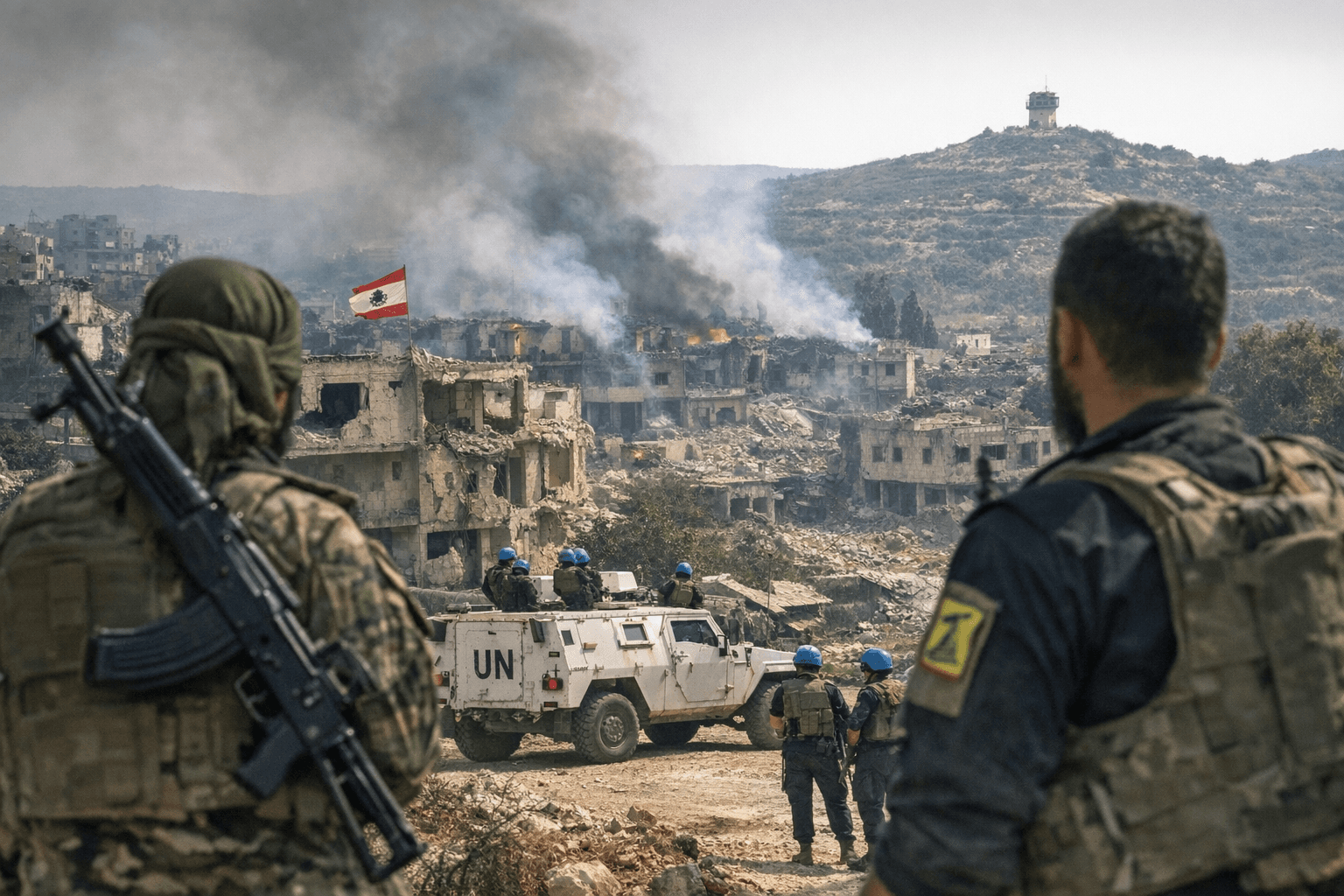
The new Lebanon ceasefire opened as a fragile 10-day test of whether Washington can hold back a wider regional flare-up while President Donald Trump presses ahead with confidence in an Iran deal. The U.S. State Department said Israel and Lebanon began a cessation of hostilities on April 16, 2026, at 17:00 EST, and Trump said the temporary truce started at 5 p.m. ET.
The deal was reached after officials from Israel and Lebanon met in Washington, and it is meant to create room for negotiations toward a permanent security and peace agreement between the two countries. Trump said Israeli Prime Minister Benjamin Netanyahu and Lebanese President Joseph Aoun had agreed to the arrangement, while Lebanese Prime Minister Nawaf Salam welcomed the announcement. The next 10 days are likely to determine whether the truce can move from a pause in fighting to something more durable.
That will depend less on ceremony than on restraint on the ground. Reports say Israel intends to keep forces in southern Lebanon during the truce, a point Hezbollah opposes, and Hezbollah has not said whether it will abide by the ceasefire. The arrangement is supposed to enable good-faith negotiations, but the central disputes remain unresolved: Israeli troop presence in southern Lebanon and Hezbollah’s disarmament. If either side treats the ceasefire as a tactical reset rather than a binding halt, the truce could collapse before talks even begin.
Trump’s comments on an Iran deal add another layer of risk. Reuters and the Associated Press have said the Lebanon ceasefire could bolster attempts to extend the fragile ceasefire involving Iran, the United States and Israel. White House officials have framed the Lebanon pause as part of a wider diplomatic push, but the link also exposes how quickly any fresh violence in Lebanon could complicate talks with Tehran. Trump has also said leaders from Israel and Lebanon are expected to meet soon, underscoring how tightly the local ceasefire and broader regional diplomacy are now tied together.
The stakes are stark because this truce follows a devastating year of war. A previous U.S.-backed Israel-Hezbollah ceasefire began on November 27, 2024, and was designed as a 60-day halt to hostilities. That deal required Hezbollah to withdraw north of the Litani River and Israel to withdraw from southern Lebanon, with the aim of letting civilians return home under Lebanese army deployment and international monitoring. IDEA’s late-2024 estimates put the death toll in Lebanon since October 2023 at nearly 4,000, with about 1.2 million people displaced. This new ceasefire now faces the same test that shadowed the last one: whether promises made in Washington can survive contact with the border.
This article was produced by Prism’s automated news system from verified source data, official records, and press releases, then run through automated quality and moderation checks before publishing. The system is built and supervised by the people who set the standards it runs under. Read our full AI policy.
Did this article answer your question?


