U.S. business activity rebounds in April as Iran war disrupts supply chains
Business activity turned up in April, but war-driven supply shocks lifted output prices to their highest since July 2022 and darkened the outlook.
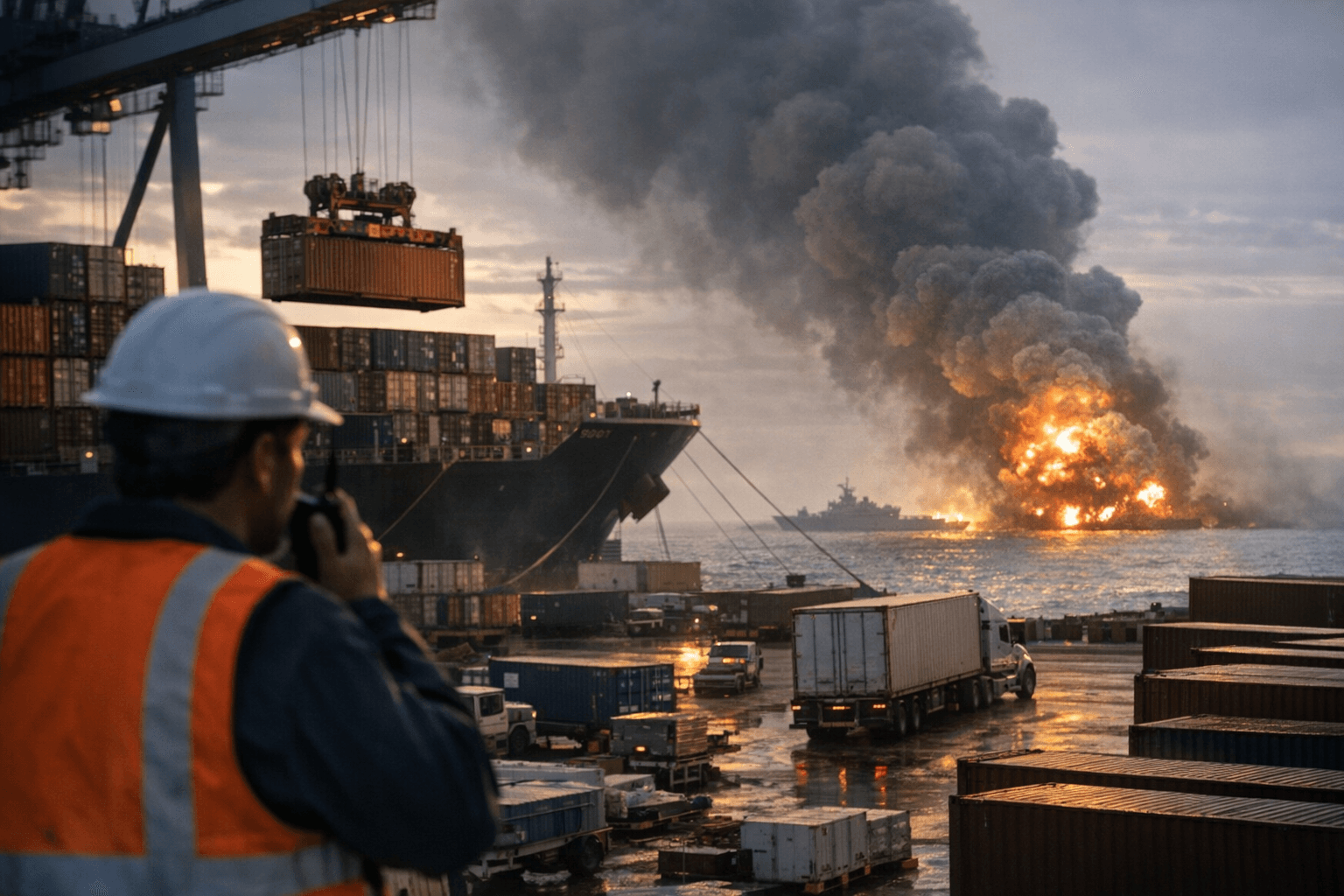
U.S. business activity picked up in April even as the war with Iran pushed supply chains tighter, raised input costs and lifted selling prices to a near four-year high. The split picture, stronger demand on one side and worsening inflation pressure on the other, left the economy expanding but under strain.
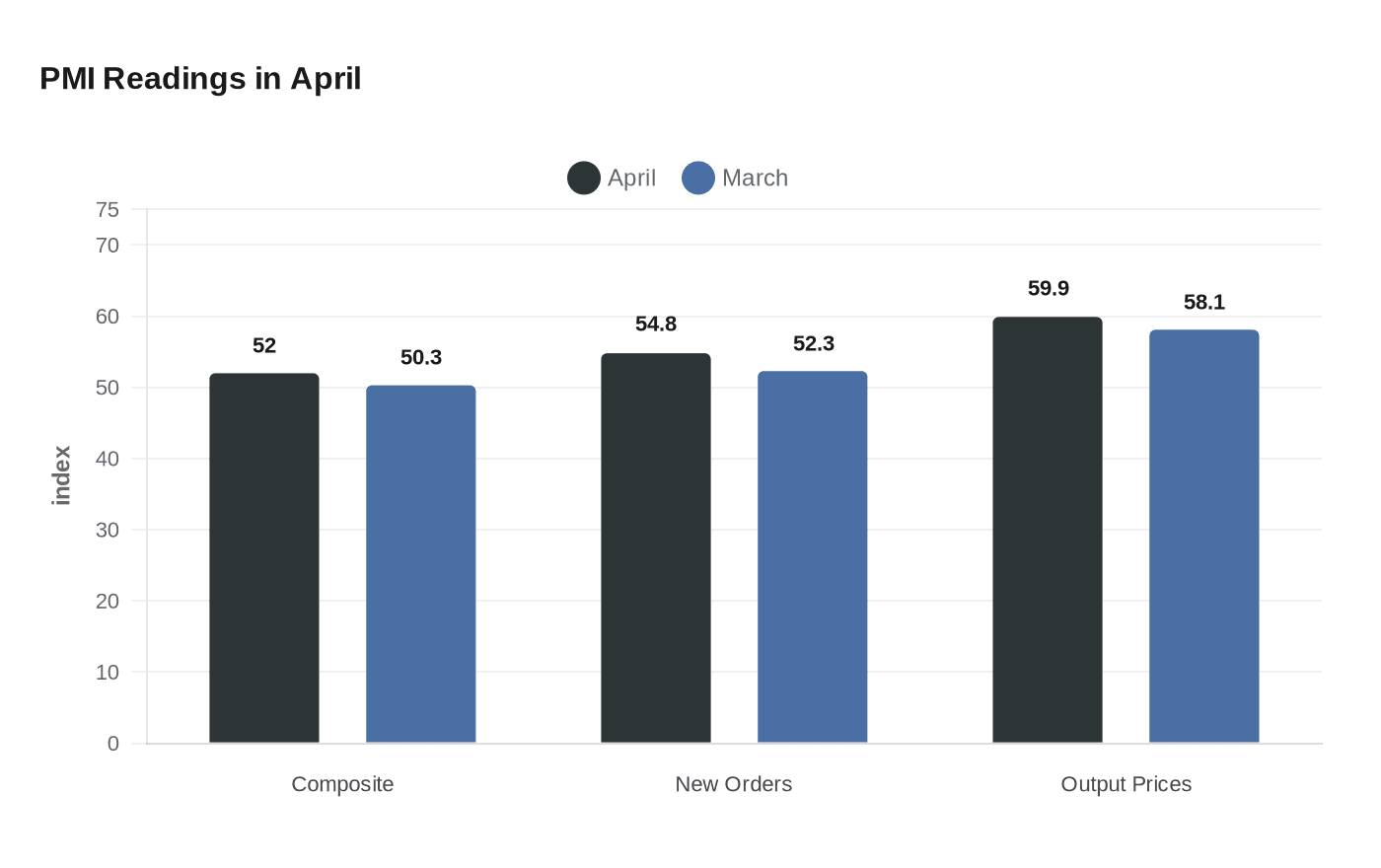
S&P Global’s flash U.S. Composite PMI Output Index rose to 52.0 in April from 50.3 in March, beating economists’ expectations for 50.6 and moving back above the 50 level that separates expansion from contraction. The survey, which collected data from April 9 to April 22, showed manufacturing leading the rebound. The factory PMI climbed to a 47-month high of 54.0, with new orders rising to 54.8 from 52.3 in March. Services also returned to expansion at 51.3 after contracting in March for the first time since January 2023.
The improvement did not erase the drag from higher costs and slower deliveries. S&P Global’s output prices measure rose to 59.9 in April from 58.1 in March, the highest reading since July 2022, while supplier delivery times at factories stretched to their longest since August 2022. S&P Global said concerns about supply availability were encouraging stock building, as companies tried to shield themselves from further price increases and shipping disruptions. Business expectations for the year ahead also fell to one of the lowest levels seen since the pandemic.
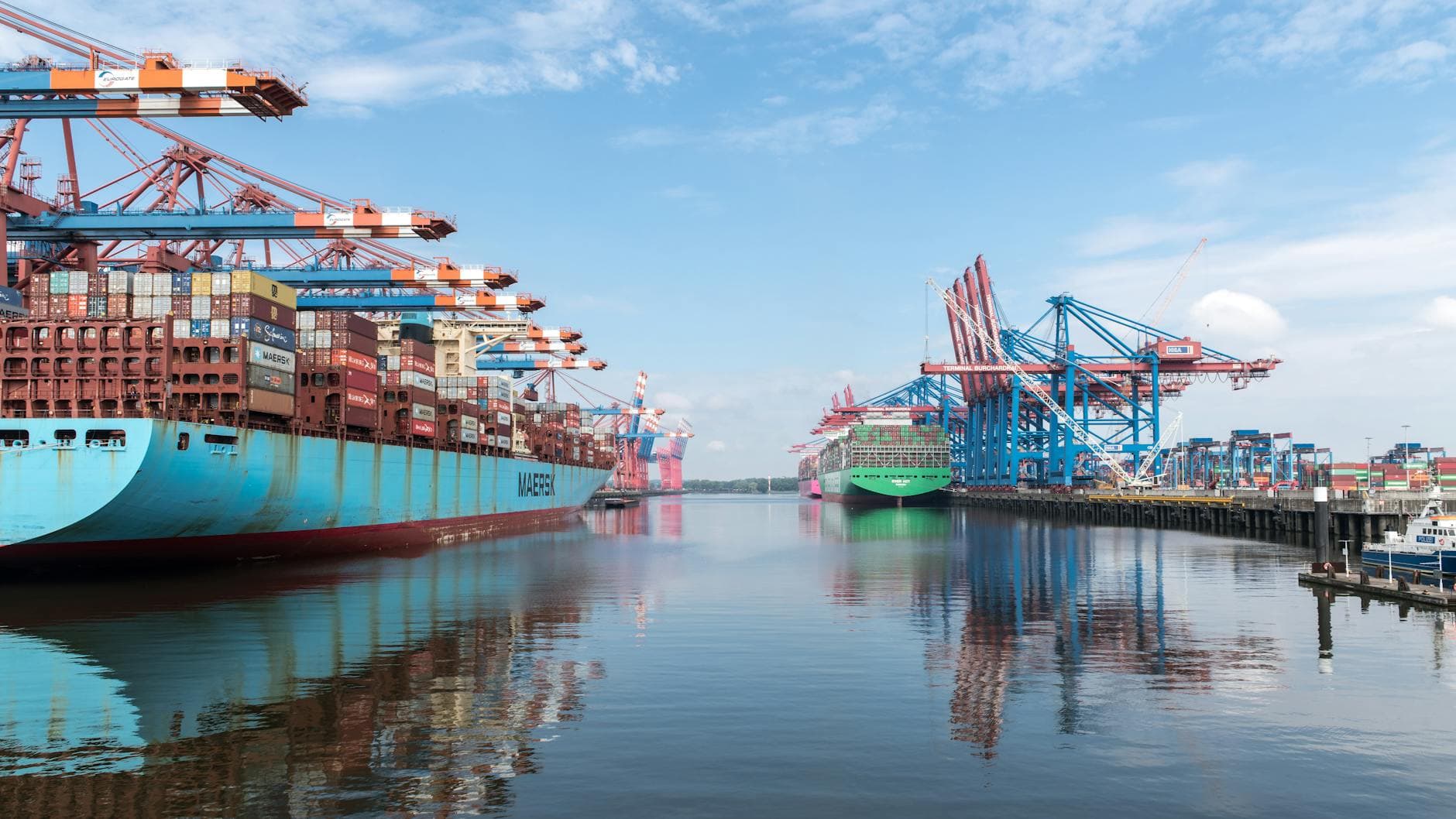
The Iran conflict has fed that pressure through energy and materials markets. Disruptions in the Strait of Hormuz lifted oil prices and also pushed up fertilizers, petrochemicals and aluminum. Tehran effectively closed the strait after U.S.-Israeli strikes on Iran began on February 28, and President Donald Trump on Tuesday indefinitely extended the ceasefire with Iran while a U.S. Navy blockade of Iranian ports remained in effect.
Chris Williamson, chief business economist at S&P Global Market Intelligence, said the April reading was consistent with an economy struggling to manage annualized growth above 1%, with services still acting as the main drag. The April figures also followed March, when S&P Global said the war had already produced the sharpest increase in average selling prices since August 2022 and the first fall in employment in more than a year.
For the Federal Reserve, the timing is awkward. Governor Christopher Waller said on April 17 that the Middle East war was likely to push inflation higher in the near term, while New York Fed President John Williams said the conflict was already raising inflationary pressures and creating a large supply shock. The April PMI suggests that business demand has not collapsed, but the path to cleaner growth is narrowing as war-driven cost shocks seep deeper into the U.S. economy.
This article was produced by Prism’s automated news system from verified source data, official records, and press releases, then run through automated quality and moderation checks before publishing. The system is built and supervised by the people who set the standards it runs under. Read our full AI policy.
Did this article answer your question?

